US fires on Iranian oil tanker as Trump threatens 'much higher' strikes if talks fail
A US fighter jet shot out the rudder of an Iranian-flagged tanker in the Gulf of Oman on Wednesday, hours after President Donald Trump warned Tehran of a heavier bombing campaign if a peace deal slips. Project Freedom is on hold.
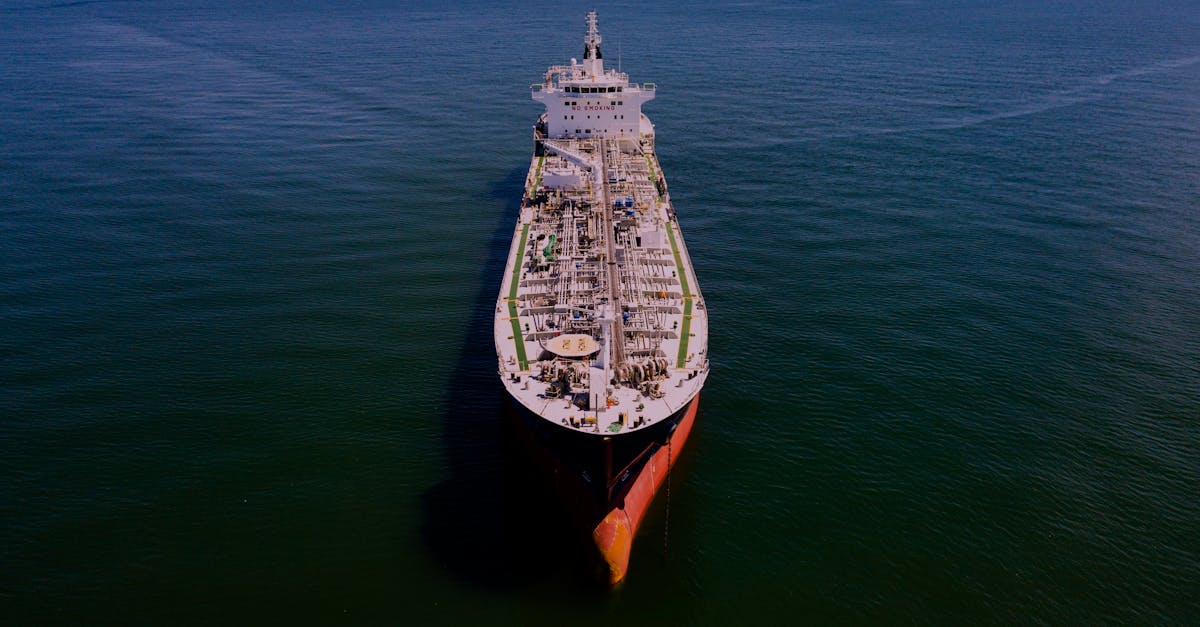
DUBAI, May 7. A US Navy F/A-18 Super Hornet shot out the rudder of an Iranian-flagged oil tanker in the Gulf of Oman on Wednesday, the latest live-fire incident in a ceasefire that both sides say still holds. Hours earlier, President Donald Trump warned Iran of a much heavier bombing campaign if his proposed deal to end the 10-week war is not signed.
US Central Command said the tanker, identified as the M/T Hasna, ignored repeated warnings to halt. It was struck with several rounds from a 20mm cannon fired by an F/A-18 launched from the USS Abraham Lincoln. The rudder was destroyed. The vessel could no longer steer to an Iranian port. CENTCOM said the US blockade on ships entering or leaving Iranian ports stays in full effect.
The strike on the Hasna came less than 24 hours after Trump abruptly paused Project Freedom, the short-lived US military operation to guide stranded merchant ships out of the Strait of Hormuz. The pause was announced on Truth Social late Tuesday. Trump said Pakistan and other countries had asked for the gesture, and that "Great Progress" had been made toward what he called a "Complete and Final Agreement" with Tehran.
Hours later, Trump raised the threat further. "If they don't agree, the bombing starts, and it will be, sadly, at a much higher level and intensity than it was before," he wrote Wednesday morning. He added that Operation Epic Fury, the codename for the February-March bombing of Iran, would resume.
What the Pentagon told reporters
The shift followed a Pentagon press conference Tuesday in which War Secretary Pete Hegseth and Joint Chiefs Chairman Gen. Dan Caine listed Iranian violations of the April 7 ceasefire. Caine said Iran has fired on commercial vessels nine times and attacked US forces more than 10 times since the truce, "all below the threshold of restarting major combat operations." Two container ships have been seized.
"We're not looking for a fight," Hegseth said. "Ultimately, this is a separate and distinct project." He said the operation was "focused in scope and temporary in duration," and warned the United States was "locked and loaded to defend our people, our ships, our aircraft, and this mission without hesitation."
Caine said roughly 22,500 mariners on more than 1,500 commercial vessels remain stuck in the Persian Gulf, unable to transit the strait. Only two US-flagged ships passed under Project Freedom escort before the operation was paused. Maersk confirmed one of its vehicle carriers had transited "accompanied by US military assets." A vessel operated by France's CMA CGM was hit during the brief window, injuring crew.
A 50-hour mission
Project Freedom lasted barely two days. Trump announced it Sunday evening as a "humanitarian gesture." The plan called for guided-missile destroyers, more than 100 aircraft and 15,000 service personnel. Within hours of the Monday start, US forces were engaging Iranian fast-attack boats. Apache and Seahawk helicopters sank six small Iranian craft. CENTCOM commander Adm. Brad Cooper said American warships shot down several Iranian cruise missiles and drones aimed at vessels in the strait.
By Tuesday evening, with Iranian missiles striking the United Arab Emirates and Iranian boats firing on commercial ships, Trump pulled the plug. Secretary of State Marco Rubio had told reporters earlier in the day that the operation was running. He called Project Freedom a "favour to the world." Less than four hours later, the president said it was paused.
The pause undercut a day's worth of messaging from senior officials, the BBC noted. Iranian state media called it a retreat. The blockade, Trump and Hegseth both stressed, continues. CENTCOM said as of Wednesday the blockade had turned back 52 vessels.
Beijing factor
Trump's bombing threat coincided with a visit to Beijing by Iranian Foreign Minister Abbas Araghchi, the first by a senior Iranian official since the war began Feb. 28. Chinese Foreign Minister Wang Yi told Araghchi that China was "deeply distressed" by a conflict that "has already lasted for more than two months."
"We believe that a comprehensive ceasefire is urgently needed, that a resumption of hostilities is not acceptable," Wang said.
Rubio was blunter on Beijing's role. "I hope the Chinese tell him what he needs to be told. And that is that what you are doing in the strait is causing you to be globally isolated. You're the bad guy in this," he said at the White House. Trump is due in Beijing on May 14 for a summit with Chinese President Xi Jinping. Reopening the strait will dominate that agenda.
China imports the bulk of Iran's exported crude. The closure of Hormuz has hit Beijing's energy security hard. Brent crude fell to roughly $100 a barrel on Wednesday, down from earlier-week peaks but still well above the $70 level that prevailed before the war.
What counts as a violation
Asked Tuesday what Iranian action would amount to a breach of the ceasefire, Trump told reporters, "You'll find out." He went on to mock Iran's diminished navy. "They fired from little boats with peashooters. You know why? Because they don't have any boats anymore."
Iran calls the US blockade itself the violation. Tehran's position, voiced repeatedly by Maj. Gen. Ali Abdollahi, is that any foreign military force entering the strait without Iranian approval will be attacked. Araghchi said in Beijing that Iran had attained "an elevated international standing" through the war. Tehran's nuclear program, sanctions and the strait itself are all on the negotiating table, he said.
The shape of any deal remains opaque. Trump on Sunday called Iran's latest proposal unsatisfactory, saying Tehran had "not yet paid a big enough price." On Wednesday he hinted at finality. The strait, he wrote, would soon be "OPEN TO ALL, including Iran." If not, the Epic Fury would resume at higher intensity.
For now the Hasna sits dead in the water. Hundreds of ships sit idle in the Gulf. And the ceasefire, both Washington and Tehran insist, is still on.

Yara Halabi
Foreign affairs correspondent covering the Middle East, the Gulf and US foreign policy. Reports from London.