Trump tells Iran to 'wave white flag' as Hormuz ceasefire frays
Donald Trump on Tuesday demanded Iran 'wave the white flag of surrender,' calling its military 'totally gone' even as Iranian missiles again struck the United Arab Emirates and a four-week-old ceasefire showed fresh signs of strain.
US President Donald Trump on Tuesday demanded that Iran "wave the white flag of surrender," dismissing the country's military as "totally gone" and "firing peashooters," even as Iranian missiles and drones again struck the United Arab Emirates and a four-week-old ceasefire showed fresh signs of strain.
Speaking to reporters in the Oval Office, Trump claimed Tehran privately wanted a deal but was too proud to ask for one. "They play games, but let me just tell you, they want to make a deal," he said. "And who wouldn't, when your military is totally gone?"
The president praised the US blockade of Iranian ports as "a piece of steel" and warned that Iran "knows what not to do" if it wishes to keep the truce intact. Asked what would constitute a violation, he replied: "Well, you'll find out, because I'll let you know."
Hours later, the UAE defense ministry said its air defenses were intercepting another wave of missiles and drones from Iran. The country's foreign ministry called the attacks a "serious escalation" and said it reserved its "full and legitimate right" to respond. The UAE hosts a large US military base.
Defense Secretary Pete Hegseth told a Pentagon press conference that the truce — brokered four weeks ago after the United States and Israel attacked Iranian targets on Feb. 28 — remained in force despite the new strikes. "We're not looking for a fight," Hegseth said. "Right now, the ceasefire certainly holds, but we're going to be watching very, very closely."
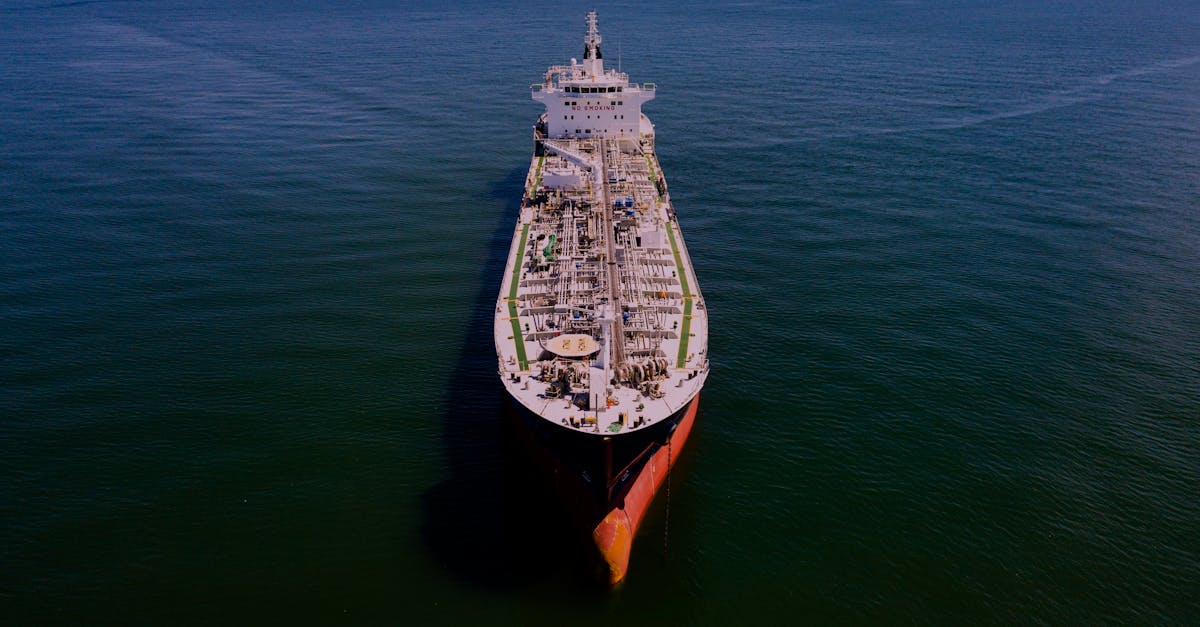
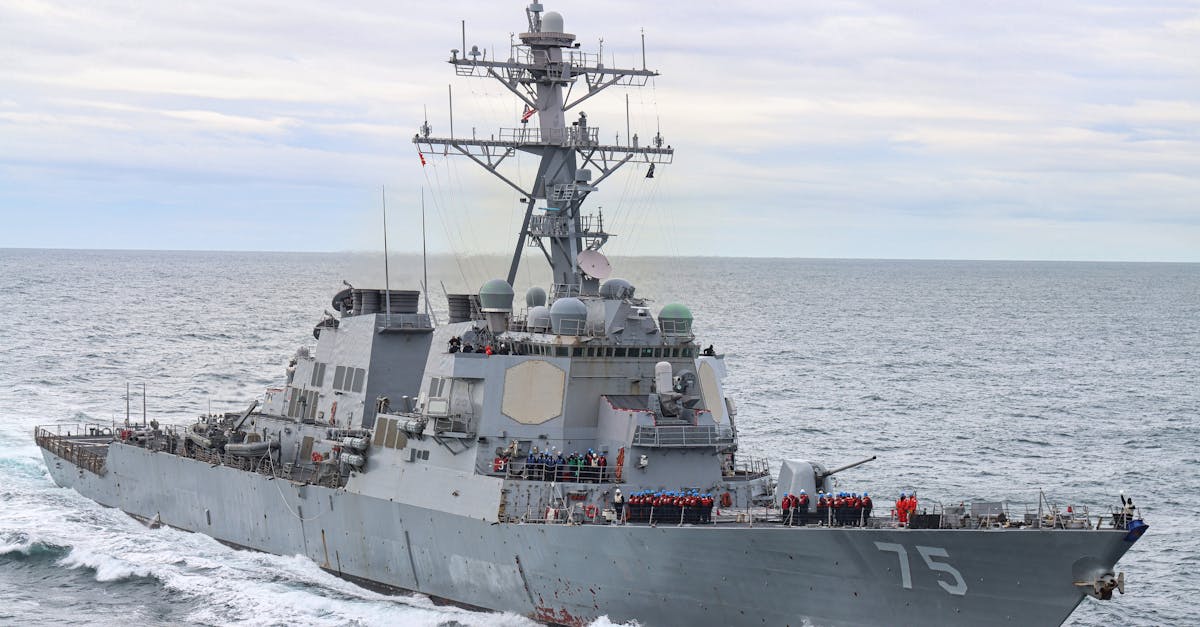
The US military said it had destroyed six Iranian small boats and several cruise missiles and drones in the Strait of Hormuz on Monday. The strikes came as Trump dispatched the Navy to escort stranded tankers through the chokepoint in an operation he has named "Project Freedom."
General Dan Caine, chairman of the Joint Chiefs of Staff, told reporters that recent Iranian fire on US forces fell "below the threshold of restarting major combat operations at this point."
Strait still effectively closed
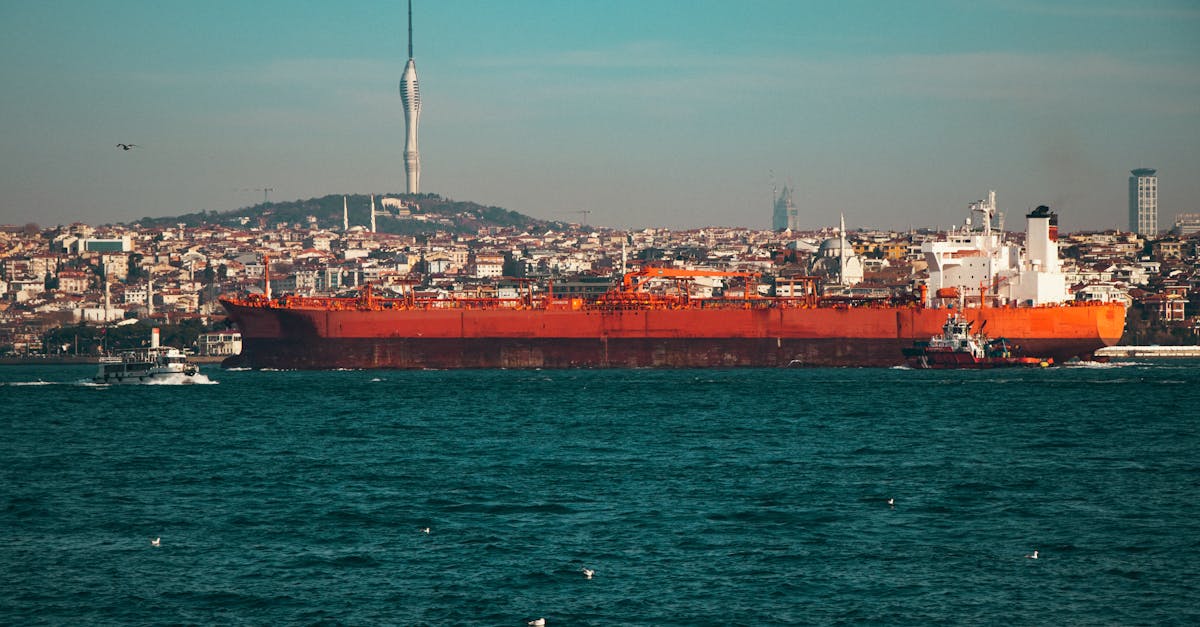
The Strait of Hormuz, through which roughly a fifth of the world's oil passes, has been almost entirely shut since the United States and Israel began their attacks on Iran in late February. Iran has used a combination of mines, drones, anti-ship missiles and fast-attack craft to choke off the waterway. The United States has countered with a blockade of Iranian ports and armed escorts for commercial shipping.
Iran's parliament speaker, Mohammad Baqer Qalibaf, warned in a social media post on Tuesday that breaches of the ceasefire endangered shipping through the strait. "We know well that the continuation of the current situation is unbearable for the United States, while we have not even begun yet," he wrote.
Iran's Revolutionary Guards on Tuesday published a new map of an "expanded area of control" inside the strait and warned commercial vessels to stay within Iranian-set corridors or face a "decisive response."
Despite the contradictory accounts, Hegseth said two US merchant ships had successfully made it through the strait under naval escort, and that hundreds of commercial vessels were now lining up to attempt a transit. Maersk, the Danish shipping giant, confirmed that the Alliance Fairfax, a US-flagged ship, exited the Gulf under US military escort on Monday. Iran has denied any such crossings took place.
Pakistani mediation continues
US and Iranian officials have held one round of face-to-face peace talks since the ceasefire took effect, but attempts to schedule further meetings have failed. The diplomatic stand-off comes as the United States circulated a tougher Security Council resolution threatening Iran with sanctions over the Hormuz attacks. Iranian state media reported on Sunday that Washington had conveyed its response to a 14-point Iranian proposal via Pakistan, and that Tehran was reviewing it.
Iranian Foreign Minister Abbas Araqchi said peace talks were progressing with Pakistani mediation and warned the United States and the UAE against being drawn into a "quagmire." Araqchi traveled to Beijing on Tuesday for talks with his Chinese counterpart. Trump is also due to visit China later this month.
A senior Pakistani official involved in the talks said both sides had "narrowed gaps on a majority of the issues."
The war has killed thousands as it spread from Iran to Lebanon and the Gulf, and has roiled the global economy. Brent crude was trading at around $110 a barrel on Tuesday, more than 60 per cent above the level recorded before the conflict began. Kristalina Georgieva, the head of the International Monetary Fund, said on Tuesday that even if the war ended immediately, dealing with the consequences would take three to four months.
Trump has insisted that Iran must surrender its enriched uranium stockpiles to prevent it producing a nuclear weapon, an ambition Iran denies. The US-Israeli strikes on Iran in February were justified by Trump as preempting "imminent threats" from Tehran's nuclear and ballistic missile programs and its support for Hamas and Hezbollah.
For now, the immediate test is whether the truce can survive the latest Iranian volley. If the ceasefire collapses, the Pentagon would face the prospect of a return to direct combat with Iran less than two months after the original strikes — and at a moment when the United States has positioned itself as the de facto guarantor of Gulf shipping.

Yara Halabi
Foreign affairs correspondent covering the Middle East, the Gulf and US foreign policy. Reports from London.