US tables tougher UN resolution threatening Iran with sanctions over Hormuz
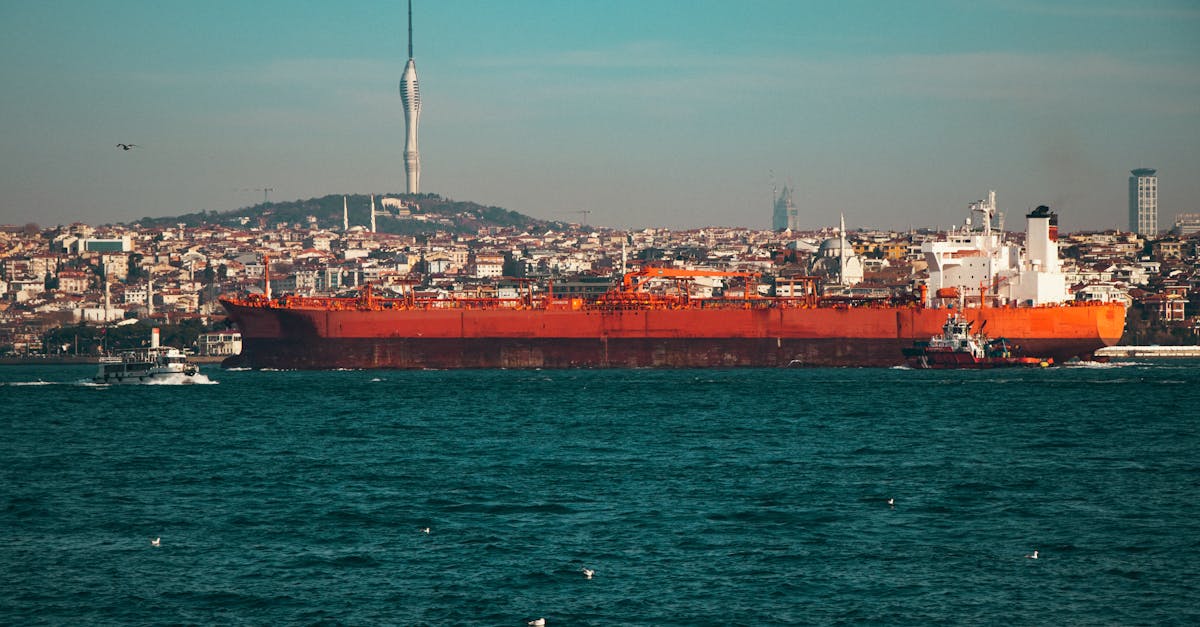
The United States and a group of Gulf nations circulated a draft Security Council resolution on Tuesday that threatens Iran with sanctions and "other measures" if it does not stop attacks on shipping in the Strait of Hormuz, the most concrete diplomatic step yet to break a four-week stand-off over the world's most strategic oil chokepoint.
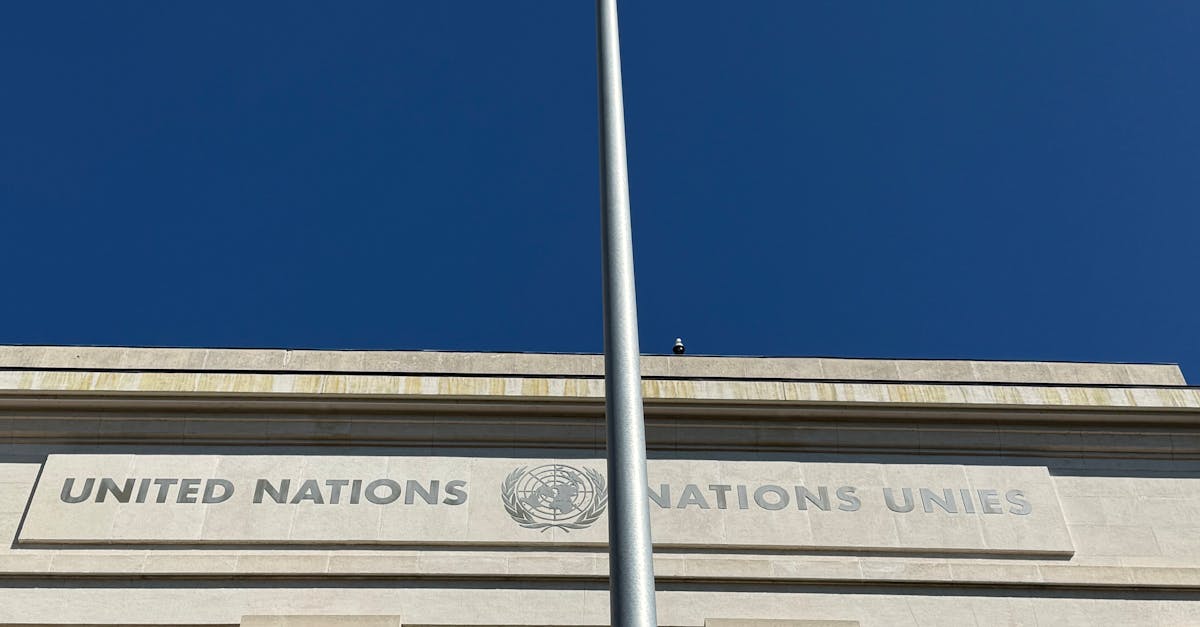
LONDON, May 5 — The United States and a group of Gulf nations circulated a draft United Nations Security Council resolution on Tuesday that threatens Iran with sanctions and "other measures" if it does not stop attacks on shipping in the Strait of Hormuz. It is the most concrete diplomatic step yet to break a four-week stand-off over the world's most strategic oil chokepoint.
The proposal was drafted under Chapter VII of the UN Charter and obtained by The Associated Press. It demands that Iran stop missile and drone attacks on commercial vessels, lift the threat of sea mines, end what the United States calls "illegal tolls" on transiting ships, and disclose the placement of mines so freedom of navigation can be restored. It would also require Tehran to "immediately participate in and enable" UN efforts to set up a humanitarian corridor through the strait for the delivery of aid, fertilizer and other essential cargo.
Co-sponsored by the United States and several Gulf countries, the resolution is the second attempt by Washington in two months to corral the Security Council into binding action on Iran. An earlier, more limited version was vetoed by Russia and China hours before the United States and Iran announced a temporary ceasefire on April 8.
"Iran continues to hold the world's economy hostage," US Secretary of State Marco Rubio said in a statement. He accused Tehran of threatening shipping, laying mines and "attempting to charge tolls for the world's most important waterway".
Why a stiffer draft this time
The new draft is significantly stronger than the one Russia and China rejected. It is anchored in Chapter VII of the Charter, the section that allows the Security Council to authorise sanctions or, in extremis, the use of force. The earlier text removed that reference in an effort to win Russian and Chinese acquiescence. The resolution was vetoed anyway.
By restoring the Chapter VII language, Washington is signalling that compliance, not consensus, is the priority. The text states that "effective measures commensurate with the gravity of the situation, including sanctions" can be triggered if Iran fails to act.
Mike Waltz, the US ambassador to the United Nations, told reporters on Monday that he believes the narrower scope of the new draft will earn the support of all 15 Security Council members or at least avoid another Russian or Chinese veto. The new text focuses on freedom of navigation rather than the broader Iran nuclear file. "The United States looks forward to this resolution being voted on in the coming days and to receiving support from Security Council members and a broad base of co-sponsors," Rubio said.
What triggered the new push
The diplomatic move follows a weekend of escalation that nearly broke the ceasefire. The United Arab Emirates said its air defences engaged 12 ballistic missiles, three cruise missiles and four drones launched from Iran on Monday. One drone hit an oil installation in Fujairah and injured three Indian nationals. US Central Command said its Apache and Seahawk helicopters had sunk six Iranian small boats threatening commercial shipping. Tehran denied any combat vessels had been hit and accused Washington of killing five civilians on fishing craft.
Hours later, Denmark's Maersk reported one of its container ships had transited the strait under US Navy escort. It was the first vessel to do so under Project Freedom, the operation Donald Trump announced on Sunday to guide ships from neutral states through the strait.
The text on the table
The draft reaffirms the right of every state to defend its vessels from attack, an explicit endorsement of the US naval escort mission. It also orders other countries not to assist Iran in closing the strait or in collecting tolls, language that targets any third-party brokers Tehran might use to enforce its claims.
Diplomats said the section "welcomes ongoing efforts to deconflict and coordinate safe and secure transit passage through the Strait of Hormuz" was added to give Pakistan, currently mediating between Washington and Tehran, room to keep its channels open. The resolution also expresses support for "ongoing efforts to seek a durable peace in the region".
Russia, China and the Pakistan factor
Diplomats inside the Council say the math is closer this time. Russia is weighed down by its own war in Ukraine and reluctant to absorb a second front of Western diplomatic pressure. It has signalled some openness to a freedom-of-navigation text shorn of broader Iran sanctions language. China, which buys most of the Iranian oil that does still flow, is harder to predict, but a narrowly drawn humanitarian-corridor mandate is a less attractive target for a public veto.
Pakistan's role complicates the calculus. Prime Minister Shehbaz Sharif has been mediating between Washington and Tehran since the ceasefire was signed. The language welcoming "ongoing efforts" was inserted to keep that channel open even if a Council vote alienates Iran further.
Why it matters now
About a fifth of the world's seaborne oil flowed through the strait before the United States and Israel struck Iranian nuclear and military sites on February 28. The disruption has lifted Brent crude prices, fed inflation across major economies and pushed long-dated bond yields to multi-year highs from London to Tokyo.
A successful resolution would, in theory, give Washington a mandate it has so far lacked. It would put in place a legally binding framework under which Iran's continued mining or harassment of merchant ships could trigger collective sanctions rather than unilateral US enforcement. Failure would expose, again, the limits of consensus at the Security Council on Iran.
The vote is expected within days.

Yara Halabi
Foreign affairs correspondent covering the Middle East, the Gulf and US foreign policy. Reports from London.