Indiana primaries become first big test of Trump's grip on the GOP
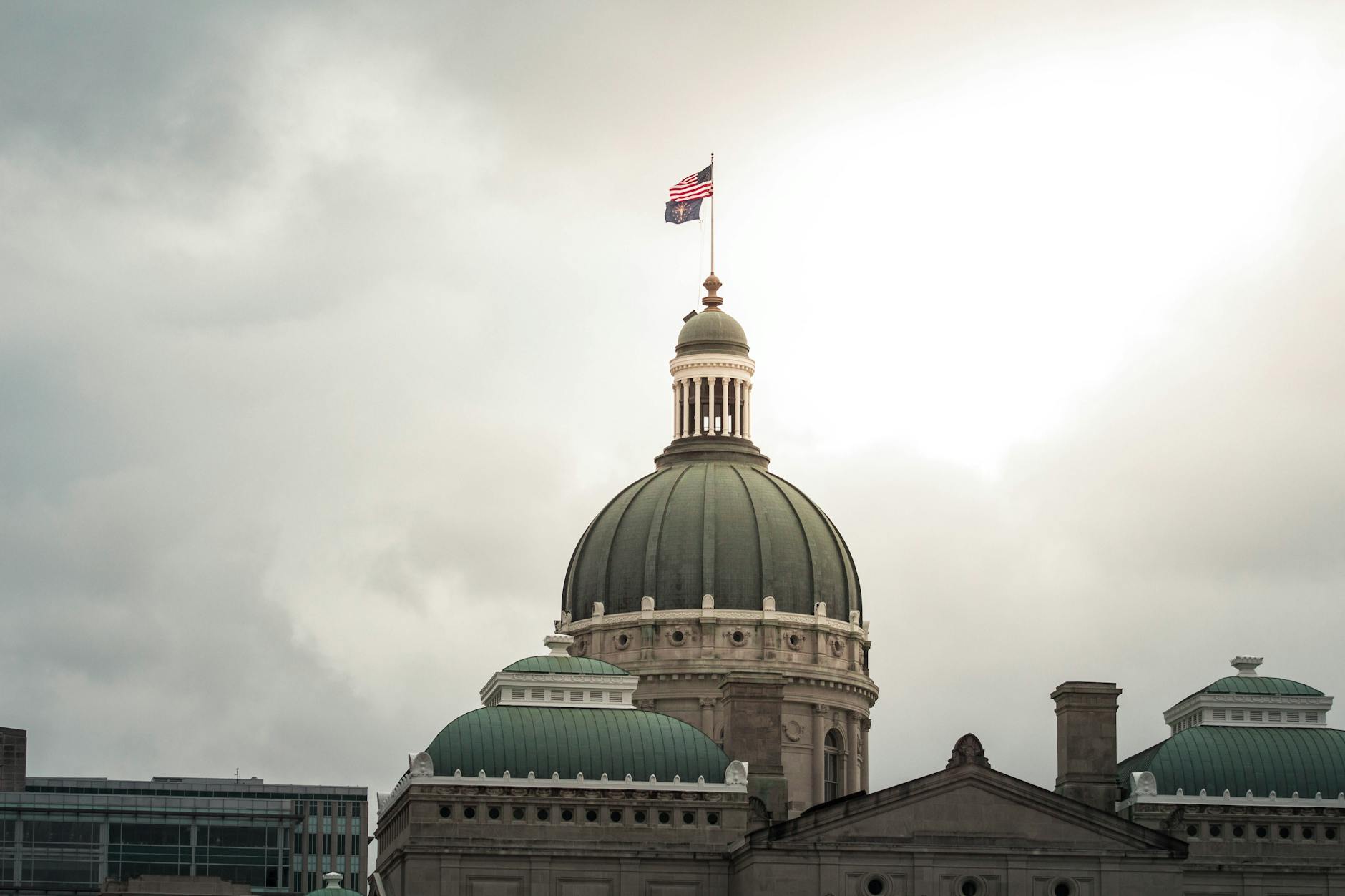
Voters in Indiana cast ballots on Tuesday in a state Senate primary that has become the first concrete test of Donald Trump's ability to discipline Republicans who defy him, after seven sitting state senators became targets of presidential endorsements over a redistricting fight they had blocked in December.
INDIANAPOLIS, May 5 — Voters in Indiana cast ballots on Tuesday in a state Senate primary that has become the first concrete test of Donald Trump's ability to discipline Republicans who defy him, after seven sitting state senators became targets of presidential endorsements over a redistricting fight they had blocked in December.
The races, ordinarily quiet contests for seats in a Republican-dominated state legislature, drew millions of dollars in outside advertising and personal interventions from the president after twenty-one Republican senators, eight of them up for re-election this year, voted against a White House push to redraw the state's congressional map ahead of the 2026 midterm elections.
Trump endorsed primary challengers in seven of those eight races. The targeted incumbents represent districts 1, 11, 19, 21, 23, 38 and 41, every one of them carried by the president by twenty percentage points or more in 2024.
Why Indiana said no
The redistricting fight began last year when Trump, looking to shore up the Republican Party's slim majority in the U.S. House, leaned on GOP-controlled state legislatures to redraw their congressional districts mid-decade rather than wait for the 2030 census. Texas complied. Indiana, after a personal lobbying campaign from Vice President JD Vance and a conference call from Trump himself, did not.
It became the first significant political defeat of his second term, and one orchestrated by senators in a state Trump had won three times by no less than sixteen points. The senators who broke with him said they were responding to constituents.
"We hate to be told what to do," Mike Murphy, a former Republican state representative, told the Associated Press. "We're very independent-thinking people. So when Donald Trump and his goons come in and try to tell us that we need to redistrict to help his political future, that's the worst thing you can do."
The fight Trump did not let go
The president's response was to weaponise the primary calendar. Allies including Republican Governor Mike Braun, US Senator Jim Banks and the political action group Turning Point Action lined up behind the challengers and spent millions on advertising in races that, in any normal cycle, would have attracted little attention. Lieutenant Governor Micah Beckwith, who is supporting the Trump-backed challengers, told the Associated Press the primary was about how far the party will go to win, "a contest between the Republicans who tend to want to avoid the fight and the Republicans who feel like we need to fight".
Mitch Daniels, the former Republican governor who had stepped away from politics in 2015, returned to the campaign trail to raise money for the targeted incumbents. He was joined by donors and operatives nervous about a precedent in which the White House could remove state lawmakers for procedural votes that did not align with national strategy.
Jim Bopp, an Indiana attorney leading a PAC aligned with Governor Braun, predicted Trump's endorsements would carry the day. "Republican voters overwhelmingly support Trump, and when they find out Trump has endorsed a particular Senate candidate, they swing their support behind them," he told the Associated Press.
Beyond Indiana
Tuesday's ballot also included two larger races in neighbouring Ohio. Former Democratic Senator Sherrod Brown, who lost his other Senate seat in 2024, is the party's leading candidate to challenge Republican Senator Jon Husted, who was appointed last year to fill the vacancy created when JD Vance became vice president. The race is a special election to fill the last two years of Vance's term, and Democrats see it as one of their most realistic paths to retaking the chamber.
In the Republican primary for Ohio governor, businessman Vivek Ramaswamy is the heavy favourite over Casey Putsch. Ramaswamy has parlayed his national profile, tech industry connections and alliance with Trump into a record fundraising haul. Amy Acton, the state's former public health director, is running unopposed for the Democratic nomination.
In Michigan, voters in a central state Senate district held a special election that could tip the balance of the chamber. Vice President Harris carried the district by less than a point in 2024. A Democratic win would give the party an outright majority; a Republican win would deadlock the chamber 19-19.
The 2026 stakes
The races are also a barometer for Republican anxiety about November. Special elections this cycle have swung consistently toward Democrats, sometimes in places Trump comfortably carried in 2024, and Republicans on the Hill are increasingly worried about their congressional majorities. A high-profile Trump loss in Indiana, a state he won decisively three times, would amplify those worries. A win, by contrast, would harden the party line behind the president and complicate any strategy that depends on a wing of the party openly disagreeing with him.
Bopp, the Republican attorney supporting the Trump-backed challengers, framed the choice differently. "It's not a matter of Trump's power," he said. "It's about Republican primary voters who support his agenda and don't want a Democratic House that will be hugely destructive to the Trump presidency and the country."
Whether enough of those voters turn out on a quiet Tuesday in May to oust seven of their own state senators is what the night will answer.
Ramona Castellanos
US politics correspondent covering Congress, primaries and the Trump administration. Reports from Washington.