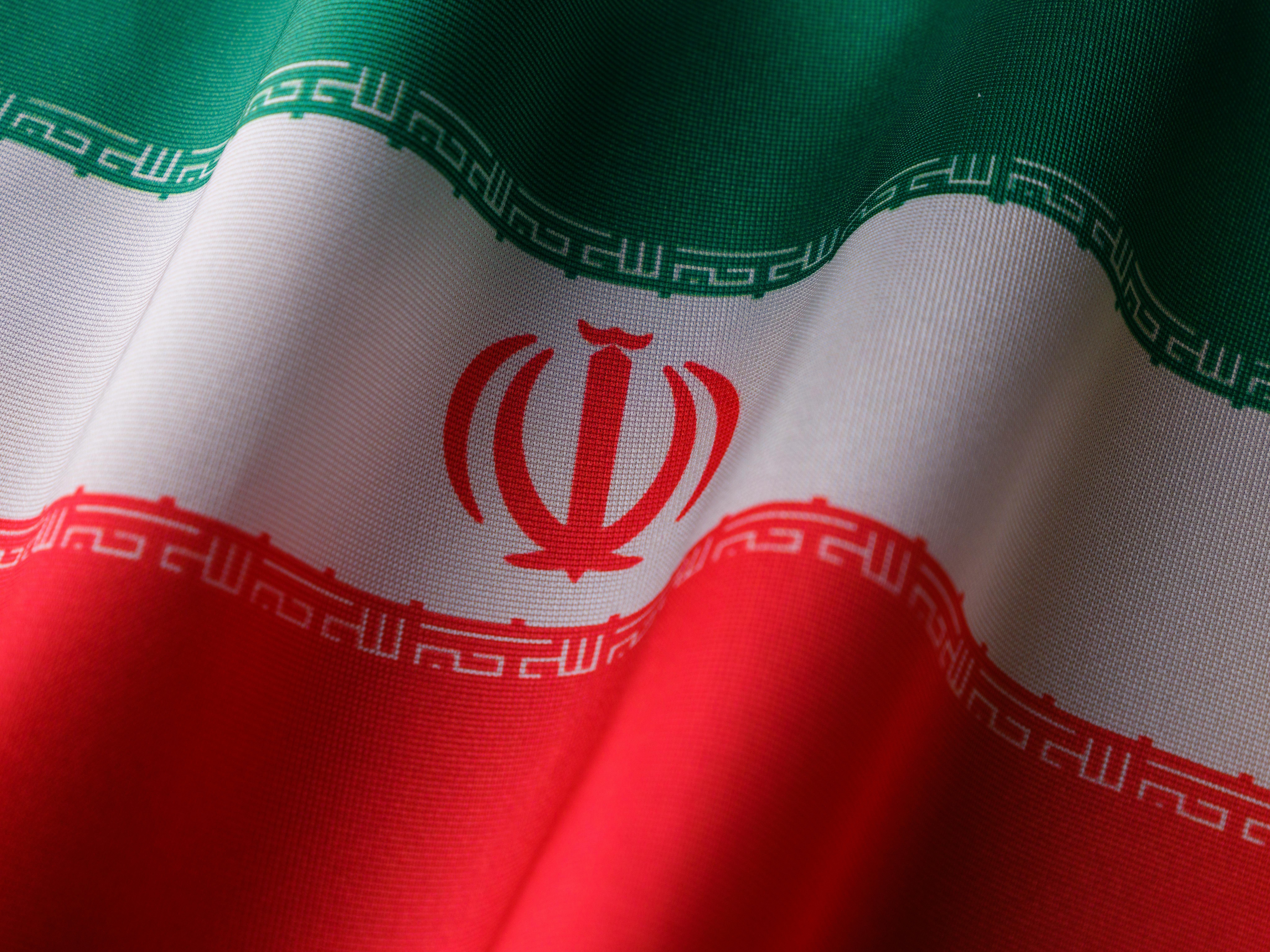
Iran ceasefire on the brink as world leaders press Tehran after Hormuz attacks
World leaders piled pressure on Tehran on Tuesday after a salvo of Iranian attacks on the United Arab Emirates and a US-Iran exchange of fire in the Strait of Hormuz left a four-week-old ceasefire on the brink of collapse.
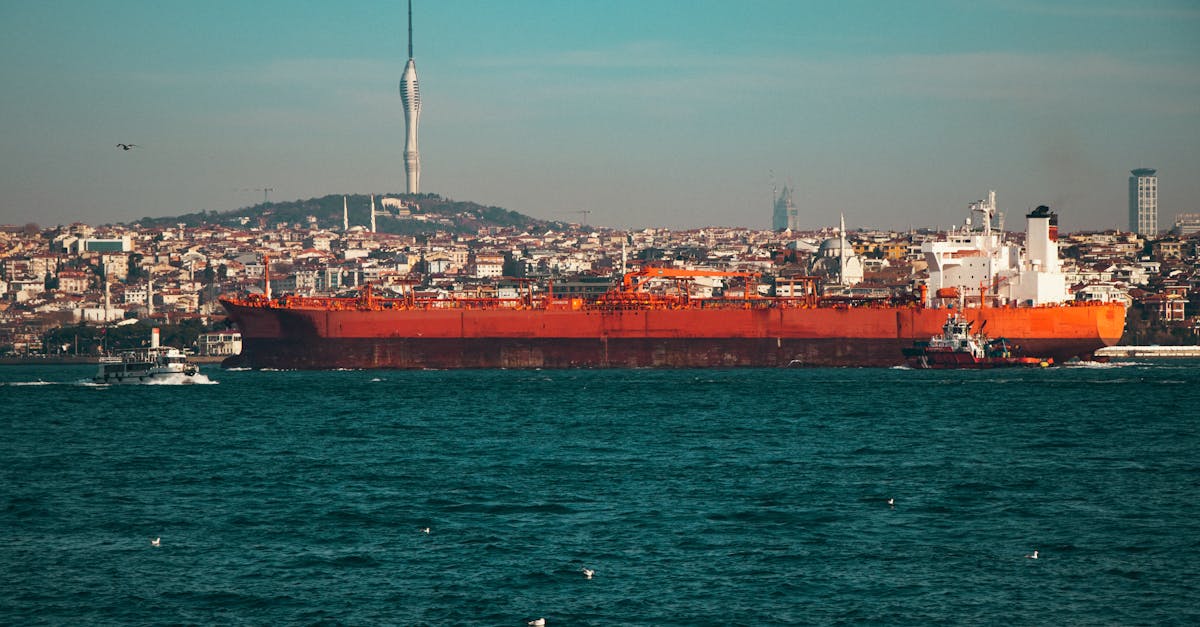
LONDON, May 5 — Western and Arab capitals on Tuesday pressed Iran to step back from confrontation in the Gulf, after the Islamic Republic launched a barrage of missiles and drones at the United Arab Emirates and traded blows with US forces escorting commercial ships through the Strait of Hormuz. The exchange has pushed a four-week-old ceasefire to breaking point.
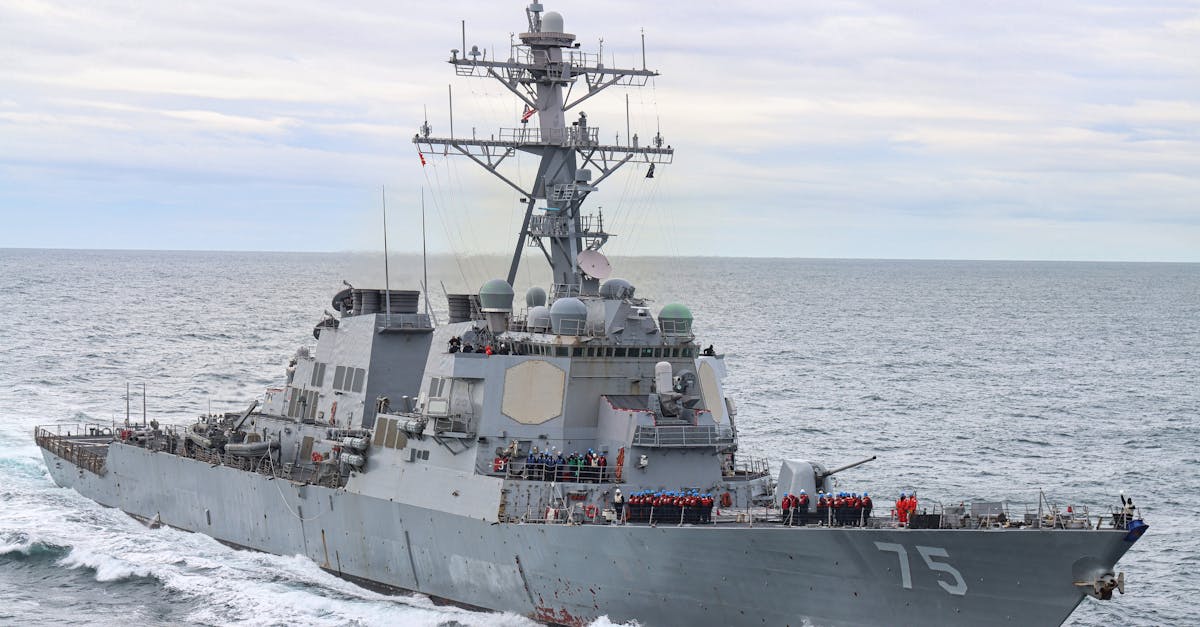
The UAE said its air defences engaged 12 ballistic missiles, three cruise missiles and four drones launched from Iran on Monday. Three Indian nationals were injured when a drone hit the Petroleum Industries Zone in Fujairah, according to Khaleej Times, which also reported strikes on a tanker affiliated with the state-owned ADNOC. US Central Command said its Apache and Seahawk helicopters had sunk six Iranian small boats threatening commercial shipping. Iran denied any combat vessels had been hit and accused Washington of killing five civilians on fishing craft.
"These attacks are unacceptable," Ursula von der Leyen, the European Commission president, wrote on X. "Security in the Gulf region has direct consequences for Europe."
What broke the truce
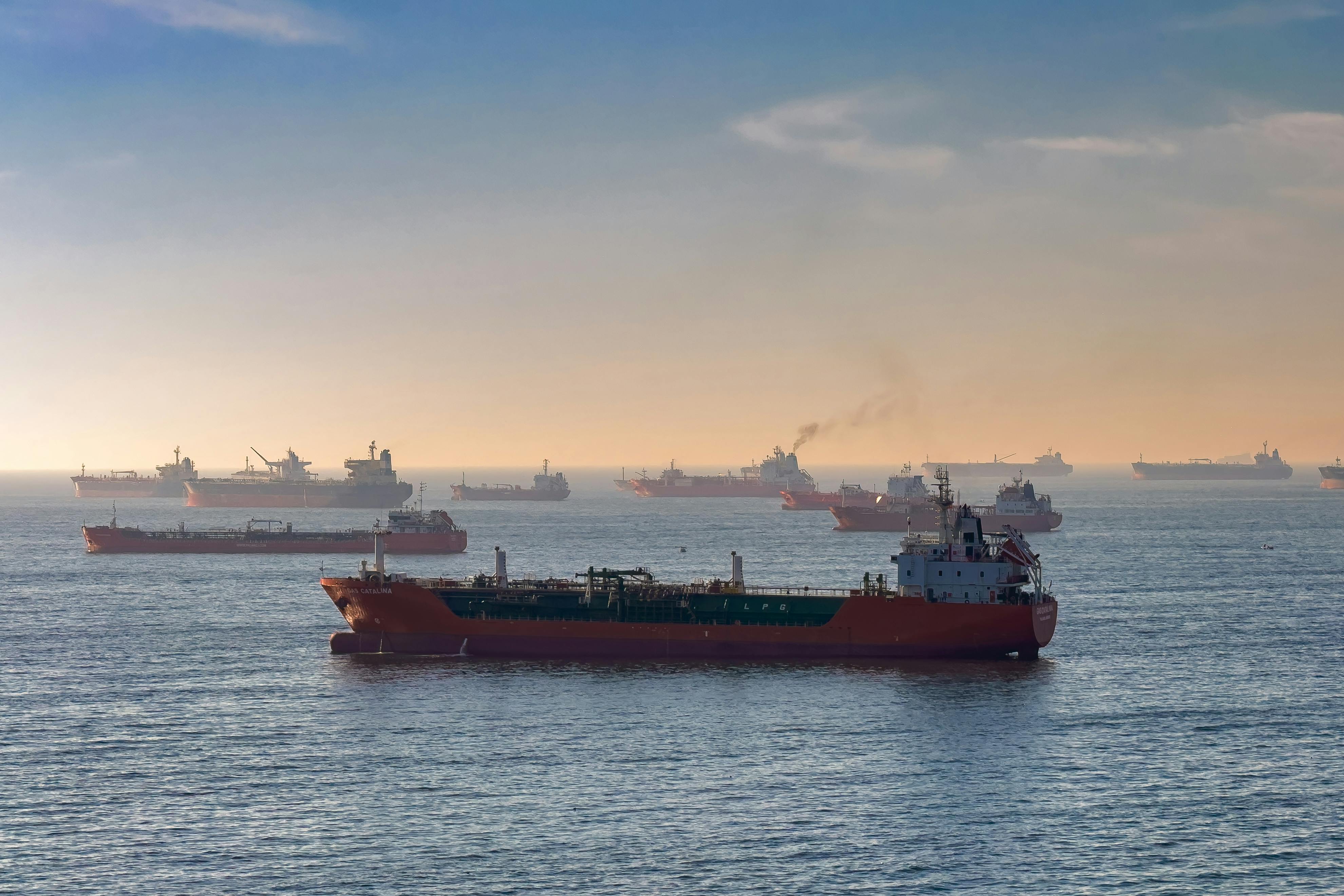
The proximate trigger was Project Freedom, a US-led naval escort scheme that Donald Trump announced on Sunday to guide ships from neutral countries out of the Gulf. The plan, which Trump cast as humanitarian, was designed to break Iran's de facto blockade of the Strait of Hormuz, the narrow waterway through which roughly a fifth of the world's seaborne oil flowed before US and Israeli strikes hit Iranian nuclear and military targets on February 28.
Tehran called the operation a violation of its sovereignty and warned against any further American naval presence in the strait. Within twenty-four hours, the UAE was under attack and the United States was sinking Iranian boats. Denmark's Maersk said one of its vessels had nevertheless transited the strait under US escort, becoming the first commercial ship to do so under the Trump scheme.
US Defence Secretary Pete Hegseth, speaking on Tuesday, sought to lower the temperature. "The ceasefire is not over," he said, calling the escort operation temporary and adding that Washington was "not looking for a fight" in the strait. Trump struck a different tone on Truth Social, warning Iranian forces that they would be "blown off the face of the Earth" if they targeted US ships.
The diplomatic scramble
European and Arab leaders converged on the same message: keep talking. German Chancellor Friedrich Merz urged Iran to "return to the negotiating table and stop holding the region and the world hostage", echoing similar appeals from French President Emmanuel Macron and British Prime Minister Sir Keir Starmer. Saudi Arabia, whose energy infrastructure has been hit by Iranian-aligned strikes earlier in the war, called for "diplomatic efforts to reach a political solution".
Pakistan's Prime Minister Shehbaz Sharif, who has been mediating between Washington and Tehran since the ceasefire was brokered on April 8, condemned the strikes on the UAE and urged that the truce be upheld. Iran's foreign minister, Abbas Araghchi, widely seen in Tehran as a moderate voice, pointed to Pakistan's mediation as the only viable track. "Project Freedom is Project Deadlock," he wrote on X. "There is no military solution to a political crisis."
Tehran's calculus
Inside Iran, the message from parliament was less conciliatory. Mohammad Bagher Ghalibaf, the speaker and the country's chief nuclear negotiator, warned the United States against any further escalation. "We know full well that the continuation of the status quo is intolerable for America; whilst we have not even started yet," he wrote on X.
A senior Iranian military official told state television that the Islamic Republic had "no pre-planned programme to attack the oil facilities in question" but argued that US escort operations were the cause. "The US military must be held accountable," the official said. The Revolutionary Guards have separately denied the Maersk vessel had passed through the strait at all.
Oil and the wider war
The risk to global energy markets is again concentrated in the strait. Brent crude jumped more than 5 per cent on Tuesday, the AFP news agency reported, as traders revised their estimates of how long the disruption to Gulf shipping might last. Asian equities slid in tandem, and the Indian rupee fell to a record low against the dollar. The UAE has tallied 549 ballistic missiles, 29 cruise missiles and roughly 2,260 drones launched from Iran since hostilities began on February 28, the vast majority of them intercepted.
The wider Middle East front is also fraying. A separate Lebanese ceasefire with Israel, intended to halt fighting with the Iran-backed Hezbollah, came under strain again on Monday, with clashes in southern Lebanon and moderate injuries to two Israeli soldiers. More than 2,700 people have been killed in Lebanon since the fighting began earlier this year, according to the country's health ministry. Lebanese President Joseph Aoun has called for a security deal and an end to Israeli strikes before any direct meeting with Israeli Prime Minister Benjamin Netanyahu, an encounter Trump has proposed for the White House this month.
Where it stands
The ceasefire, brokered after forty days of US-Israeli strikes on Iran and signed on April 8, is technically still in force. In practice it is being tested almost daily, with both sides describing the other's actions as a breach. By Tuesday evening, world leaders had stopped short of declaring the truce dead. None had said how it was still being kept alive.

Yara Halabi
Foreign affairs correspondent covering the Middle East, the Gulf and US foreign policy. Reports from London.