Starmer warns antisemitism is 'a crisis for all of us' as Downing Street summit opens
Keir Starmer convened business, policing and community leaders on Tuesday after the Golders Green stabbing, an arson at a former East London synagogue and a counter-terror probe into possible Iranian links. He promised a 'whole of society' response and warned of consequences if a foreign state was involved.
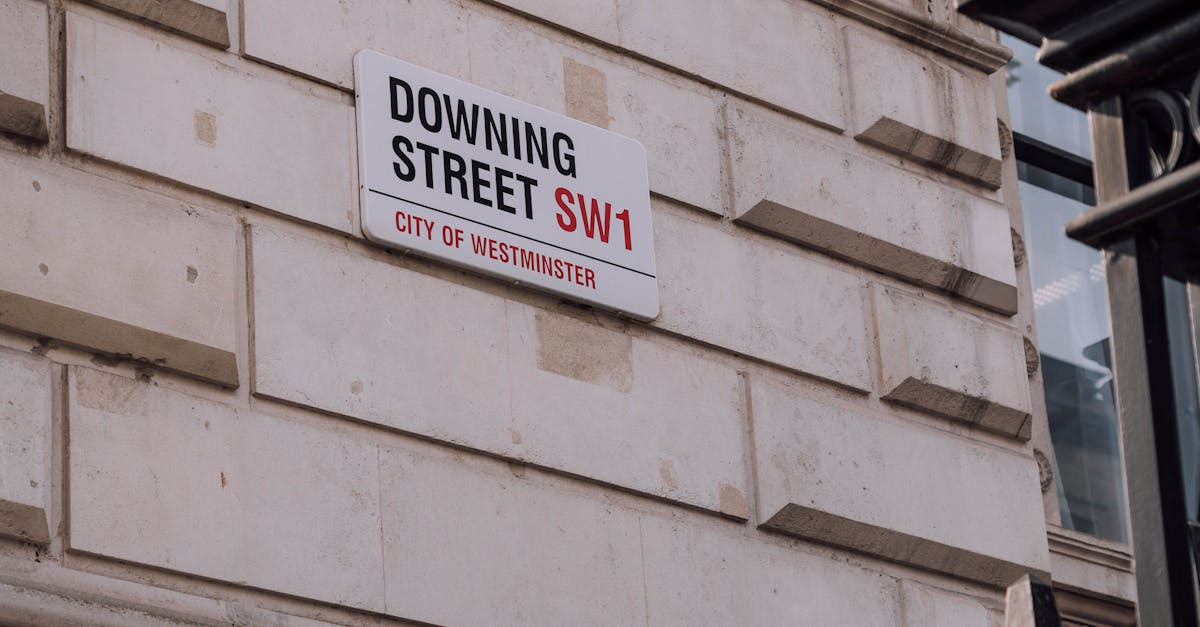
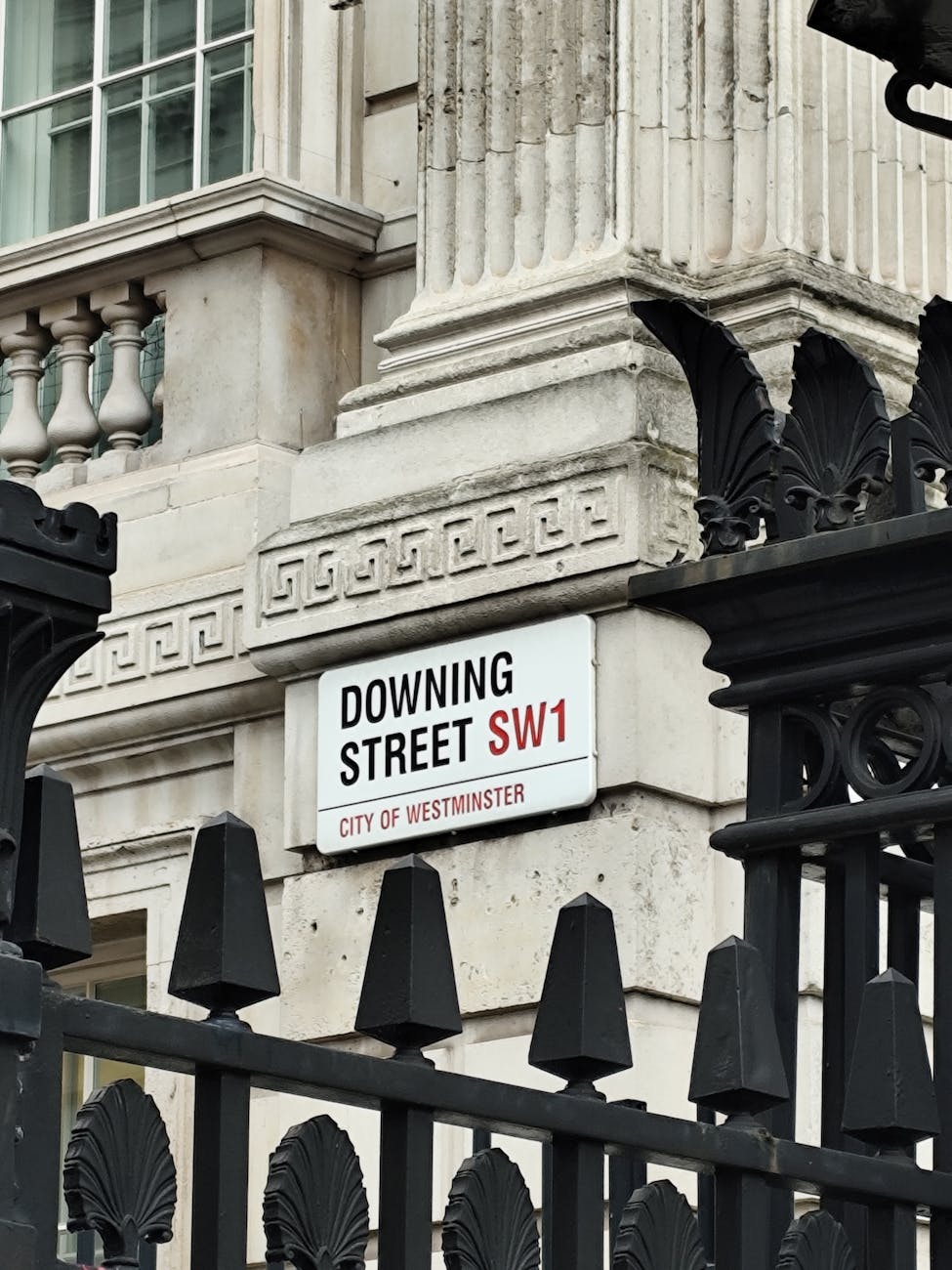
Sir Keir Starmer told business, policing and civil-society leaders at Downing Street on Tuesday that rising antisemitism in Britain is "a crisis for all of us" and "a test of our values", as the government opened a cross-sector response to a run of attacks on Jewish targets.
The summit followed last week's knife attack in Golders Green, the north London suburb home to one of the country's largest Jewish populations. Two men, Shloime Rand, 34, and Norman Shine, 76, were stabbed on April 29. Essa Suleiman, 45, has been charged with three counts of attempted murder and remanded in custody. The Metropolitan Police has declared the incident a terrorist attack.
In his opening remarks the Prime Minister said the Golders Green stabbings were "not an isolated incident" but "part of a pattern of rising antisemitism that has left our Jewish communities feeling frightened, angry, and asking whether this country, their home, is safe for them." He said it was "not enough to simply say we stand with Jewish communities. We must show it."
Five cabinet ministers, covering the Home Office, communities, health, education and culture, chaired parallel round tables with members of the Jewish community to discuss the form antisemitism takes in their sectors and how to push back. According to Downing Street, attendees came from business, civil society, higher education, healthcare, the arts and policing. The government plans to accelerate legislation on "state-sponsored threats" and a broader counter-extremism strategy.
Number 10 also announced an extra £1 million for community-safety projects in Jewish communities in England, on top of £25 million committed last week for police patrols and additional security at synagogues, schools and community centres. Barnet Council, which covers Golders Green, will receive a further £500,000.
A separate Middle East Response Committee meeting later in the day will look at the domestic security implications of the Iran-Israel conflict and the "heightened threat to Jewish communities in light of recent attacks". On the same morning, counter-terrorism police confirmed they were investigating a deliberate fire at the former East London Central Synagogue on Nelson Street, Whitechapel. It is the latest in a series of arson incidents on Jewish-linked sites since March, when four Hatzola charity ambulances were set alight. A group calling itself Harakat Ashab al-Yamin al-Islamia, believed to have ties to Iran, has claimed responsibility for several of the recent attacks.
Starmer issued a direct warning to Tehran. "Our message to Iran or to any other country that might seek to promote violence, hatred or division in society is that it will not be tolerated," he said, adding there would be "consequences" if Iranian involvement was confirmed.
The UK's terrorism threat level was raised to "severe" on April 30, the first such increase in four years. Counter Terrorism Policing London says it has made 30 arrests linked to incidents in north-west London since March, with nine people charged.
Inside Number 10, Louis Danker, president of the Union of Jewish Students, told the Prime Minister and the assembled leaders that the community was being "called to meet this moment" but needed allyship from the rest of British society. "I couldn't bring myself to stand at a bus stop because I'd just seen footage of a Jewish man being violently attacked at one," Danker said, describing his week in Golders Green. He pointed to a UJS report finding that one in five students were "reluctant or unwilling to share a house with a Jew", and warned that "old-fashioned prejudice is becoming entrenched in the next generation."
Danker thanked the government for the new funding and called a counter-extremism strategy "imperative", but added: "What really makes Jews feel like we belong in this country is the allyship of non-Jewish people." He cited examples that he said needed to be scaled up: a non-Jewish friend signing up for a Community Security Trust shift, influencers eating in Jewish-run restaurants in Golders Green, and university leaders asking Jewish-student bodies what more they could do.
Tuesday's summit came two days before the May 7 local elections in England, with antisemitism now a flashpoint in the campaign and opposition leaders calling it a "national emergency". The harder task for Starmer is converting the speeches into the coordinated, sector-specific action attendees were asked to commit to "at pace".
Dana Whitfield
Senior reporter covering UK politics, national security and community affairs.