Russia tells US citizens to leave Kyiv before strikes
Russia warned Marco Rubio that US diplomats and citizens should leave Kyiv before further strikes, turning the latest attack campaign into a direct warning to Washington.
Russia warned Secretary of State Marco Rubio that US diplomats and citizens should leave Kyiv before further strikes, according to CNBC’s account of the message and RFE/RL’s report on the warning.
The message pushed Russia’s latest missile and drone campaign around the Ukrainian capital into a direct diplomatic confrontation with Washington. By sending the warning through Foreign Minister Sergei Lavrov to Rubio, Moscow moved the issue from the battlefield to a cabinet-level channel while the White House was still talking about mediation.
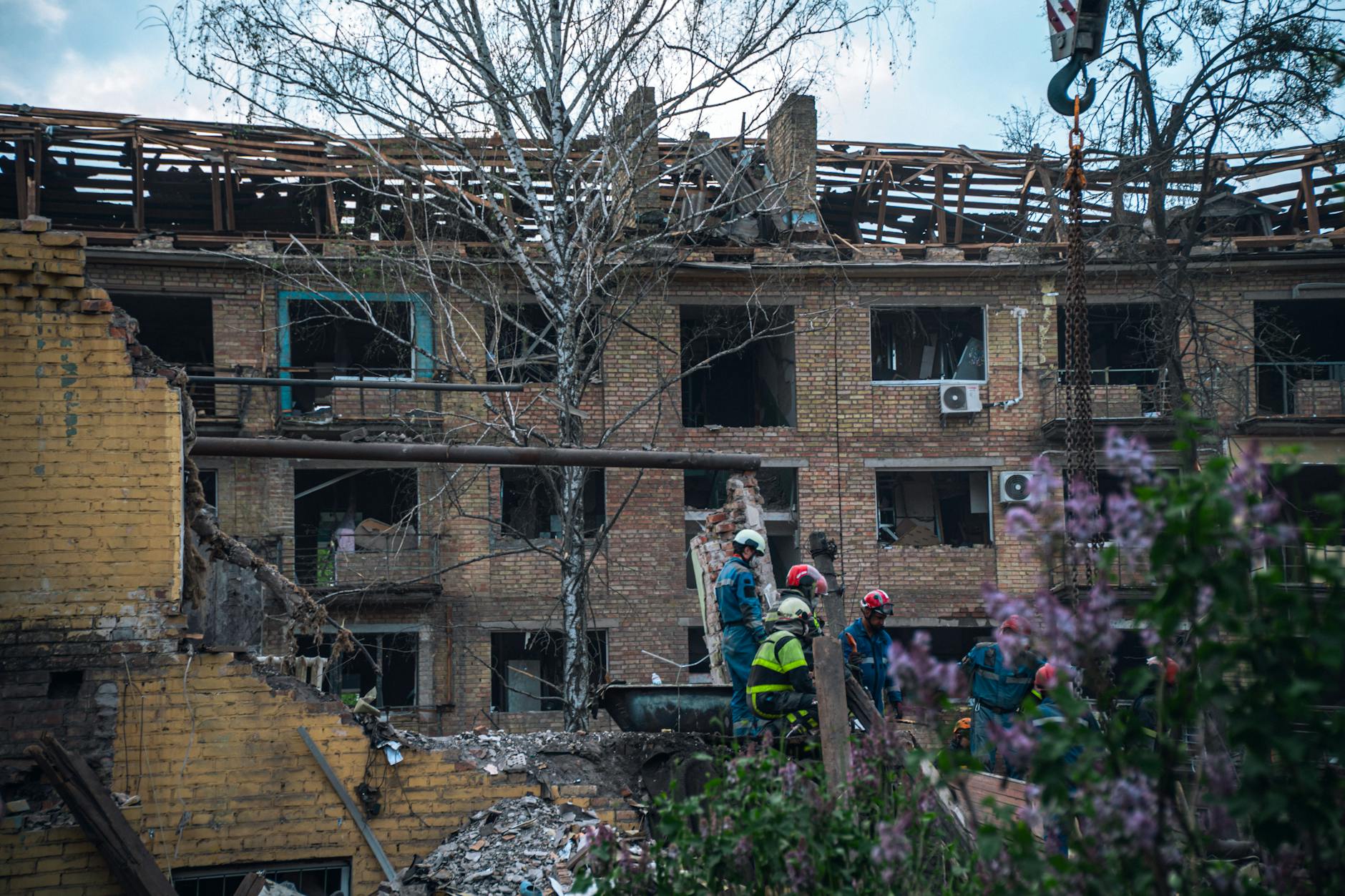
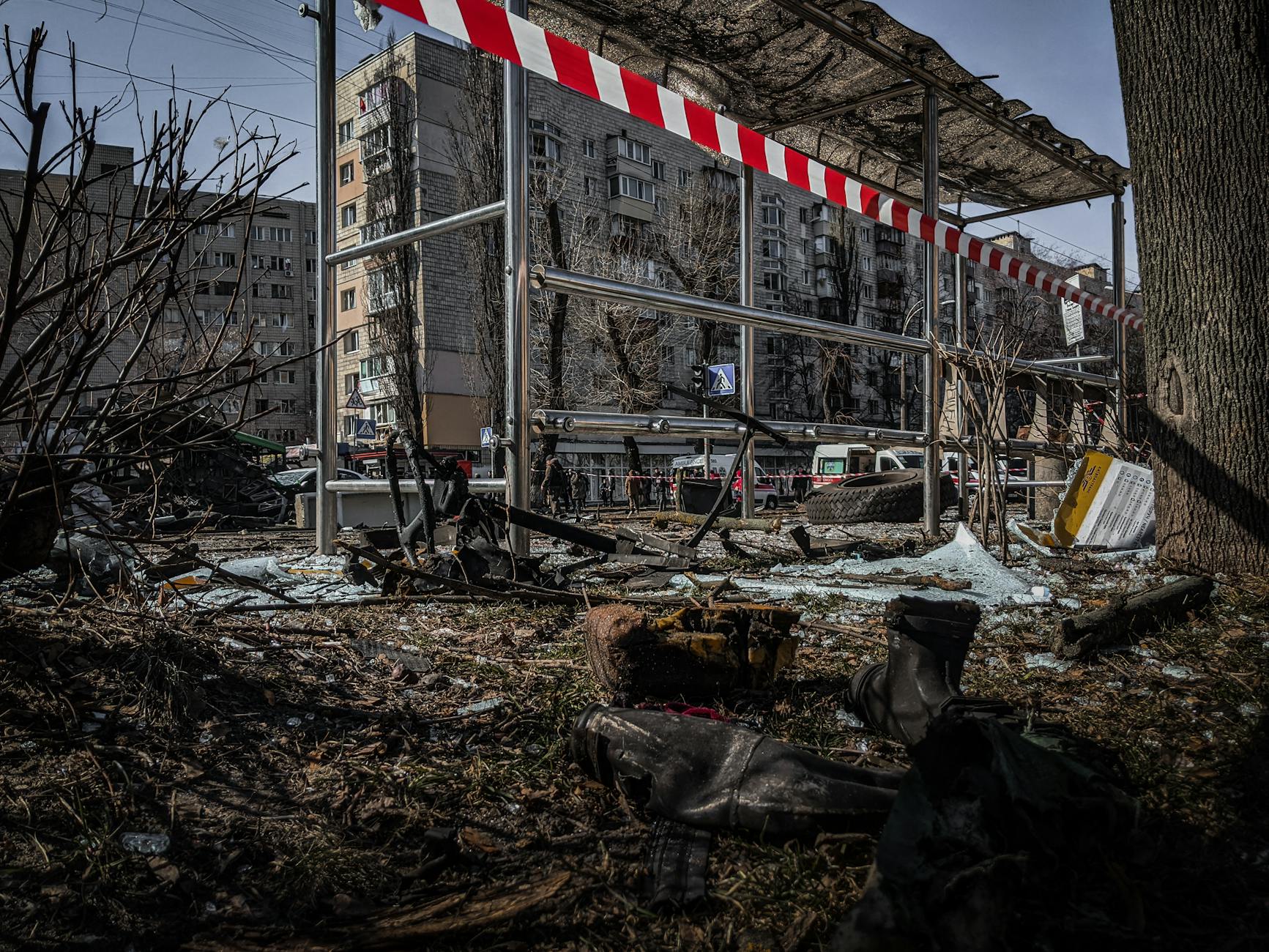
After the weekend barrage on Kyiv and other areas, President Volodymyr Zelensky said four people were killed and about 100 were injured, while Russian officials said 21 people were killed in Starobilsk in occupied eastern Ukraine, according to BBC News. Those figures could not be independently verified in the immediate aftermath, but they showed how closely the military and diplomatic tracks were now moving around the capital.
BBC News also reported that Russia had warned foreign nationals more broadly to leave Kyiv before more attacks. That gave the Kremlin both a public warning around the city and a state-to-state signal aimed directly at Washington.
RFE/RL reported that the Russian foreign ministry described the next phase as “systematic and consistent strikes”. Coupled with a warning about American personnel, the phrase amounted to formal notice that Moscow expected another round of attacks to carry diplomatic consequences as well as military ones.
A warning passed from Lavrov to Rubio carried a different weight from routine battlefield rhetoric. It told Washington that Russia wanted its message heard at cabinet level and that the safety of US personnel in Kyiv was now part of the pressure surrounding the strikes.
Washington’s first public response was restrained. Rubio called the latest attacks “a reminder of why this is a terrible war” in comments cited by BBC News. The Guardian’s live briefing on the escalation said the pressure on the US embassy followed days of heavier strikes on the capital.
Kyiv called the message “nothing short of shameless blackmail” in comments cited by BBC News.
Why the warning matters
Warnings to foreign nationals are common in wartime. Passing one directly to a US secretary of state is less common, because embassies, aid agencies and foreign officials are part of the political signal of Western support for Ukraine even when they are not changing the battlefield.
Any change in embassy staffing, travel advice or security posture would now be read in Moscow and Kyiv alike as a measure of how seriously Washington took the threat. That is what makes the warning more than another public statement about the danger around the capital.
CNBC reported that Lavrov delivered the message directly to Rubio. That gave Moscow a basis to say later that it had warned the United States through the same diplomatic channel Washington would normally use to test whether a crisis could still be contained.
If the strikes intensify, the question will extend beyond casualty figures and air defenses. Russia will also be testing how much risk the United States is willing to accept to keep an official presence in Kyiv while talks remain nominally open.

Anya Voronova
Eastern Europe correspondent covering the war in Ukraine, Russia and the Caucasus. Reports from Warsaw.