UK voters head to polls in local elections that could hasten Starmer exit
Voters across the United Kingdom went to the polls on Thursday in elections rivals have framed as a referendum on Keir Starmer. Labour is bracing for heavy losses to Reform UK, the Greens and the nationalist parties.
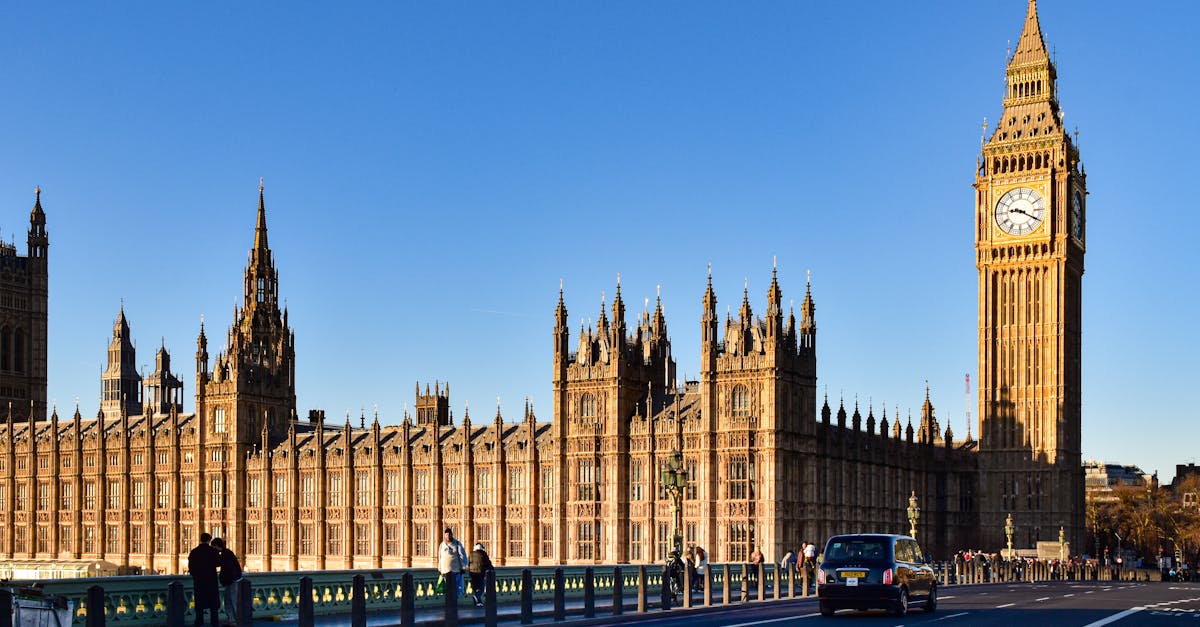
Voters in the United Kingdom went to the polls on Thursday in local and devolved elections that rival parties have framed as a referendum on Prime Minister Keir Starmer, less than two years into a Labour government already battered by U-turns, a flagging economy and an open leadership plot inside his own party.
More than 5,000 council seats across 136 English authorities are on the ballot, alongside the entire Scottish Parliament and Welsh Senedd. Polls opened at 7am and close at 10pm.
Labour is defending around 2,500 English council seats. Forecasters expect the party to lose well over half. It also faces the prospect of losing Wales for the first time since devolution began in 1999, third place in Scotland behind the Scottish National Party and Reform UK, and a wave of Green Party gains in London under the party's new leader Zack Polanski.
A wipeout could tip a restive Labour Party into open revolt. The next national election does not have to be held until 2029, but rivals including former deputy prime minister Angela Rayner, Health Secretary Wes Streeting and Greater Manchester Mayor Andy Burnham are understood to be preparing for a leadership challenge if Friday's results are bad enough.
Starmer's late pitch to voters
The prime minister, who has been largely absent from the campaign trail, issued a final appeal on Wednesday evening urging voters to choose "unity over division". Starmer told supporters by phone bank that they faced "a clear choice" between Labour councils working with a Labour government and what he called "the anger and division offered up by Reform or empty promises from the Greens."
"In tough times, you need politicians who will always stand up for you and your family," Starmer said. "Today I pledge firmly to you: whatever the pressure, Labour will always back you and your family and we will never waver from doing what is in Britain's national interest."
The plea was directed at swing voters but read inside Westminster as a message to Labour's own MPs, who have been weighing whether the result on Friday gives them cover to move against him. Starmer has said he will fight any leadership election. In February he survived a smaller crisis over his appointment of Peter Mandelson, a scandal-tarnished friend of Jeffrey Epstein, as ambassador to Washington.
The pressure tightened on Wednesday when Welsh Labour leader Baroness Eluned Morgan publicly blamed Starmer for the party's collapse in Wales. Scottish Labour leader Anas Sarwar called on him to step aside. The interventions echoed earlier private warnings reported in last week's leadership-plot rumours, when 30-year UK gilt yields hit a 28-year high amid speculation about Starmer's grip on Downing Street.
A five-party country
For decades, Labour losses would have meant a Conservative revival. That is not what the polling suggests this time. Kemi Badenoch's Tories, still wearing the political costs of 14 years in office, are bracing for losses of up to 600 council seats. Badenoch acknowledged on Wednesday that "the old era of Tory and Labour national dominance was over."
The expected beneficiaries are Reform UK, the Greens and the nationalist parties in Scotland and Wales. An eve-of-poll YouGov survey put Reform on 25 per cent, with Labour second on 18 per cent and the Conservatives a point behind on 17 per cent. Reform's slogan for the day is "Vote Reform, Get Starmer Out."
"The old politics is gone," said Rhun ap Iorwerth, leader of Plaid Cymru, who is on course to lead the Welsh government. "Labour is not going to win this election."
Tony Travers, professor in the Department of Government at the London School of Economics, told the Associated Press that Britain was moving from "a two-and-a-half party system" to "something more like a five-party one." Tim Bale, professor of politics at Queen Mary University of London, said Starmer's parliamentary party "are unsure as to whether now is the right time to unseat him," but added that "it's a case of when rather than if he goes."
Reform and the Greens under fire
Both insurgent parties spent the final 24 hours of the campaign on the defensive. Nigel Farage faced fresh questions about a 5 million pound donation from a cryptocurrency billionaire that he accepted in 2024 but did not declare, and about a tranche of Reform candidates flagged for Islamophobic, racist and homophobic social media posts and for support of far-right activist Tommy Robinson. A Reform spokesperson said the allegations were being investigated.
Polanski, the Greens' 43-year-old leader, was contending with the fallout from a row with Metropolitan Police chief Mark Rowley over comments he made about the April 29 stabbing of two Jewish men in Golders Green, north London. The Met has declared the attack a terrorist incident. Polanski apologised on Wednesday for sharing an "inaccurate" social media post about police conduct at the scene. He also conceded on BBC Radio 4's Today programme that he was "not ready right now" to be prime minister, eight months into his leadership.
The Greens have fired several council candidates over antisemitic social media posts in recent weeks. Polanski, who is Jewish and changed his name from David Paulden as an adult to recognise his heritage, has insisted antisemitism "is not welcome in the Green Party."
YouGov modelling nevertheless suggests the Greens could come first in as many as eight of London's 32 councils, building on a February by-election win in Gorton and Denton, a Greater Manchester seat Labour had held for nearly a century.
A possible seismic shift
A Plaid Cymru victory in Cardiff would leave three of the four nations of the United Kingdom under pro-independence leadership, alongside the Scottish National Party in Edinburgh and Sinn Fein in Northern Ireland. The SNP has said it will press for a fresh independence referendum if it wins a majority on Thursday. Plaid says secession is not on its short-term agenda but wants more tax-raising and spending powers for Wales.
"We need a fundamental redesign of Britain," ap Iorwerth said. "This is an unequal union."
What happens next
Counts begin overnight. The first English council results are expected from around 1am on Friday, with most authorities declaring through the small hours and into Friday afternoon. Welsh Senedd and Scottish Parliament constituency results follow on Friday. Regional list seats are declared into Saturday.
Labour MPs will use Friday's tallies to decide whether to move. A challenger needs the signatures of 80 members of the parliamentary party, a fifth of Labour's House of Commons strength, to trigger a leadership contest. Burnham would also need to win election to Parliament before he could take over.
If the worst forecasts hold, Starmer faces a choice between fighting a contest he says he will not duck and accepting a timetable for an orderly handover. Either path keeps the question of who leads Britain open through a summer dominated by the Iran war, the cost of living and the Mandelson affair.
There might, Bale added, "be a stay of execution."
Dana Whitfield
Senior reporter covering UK politics, national security and community affairs.