Starmer faces leadership plot rumours as gilts hit 28-year high before Thursday vote
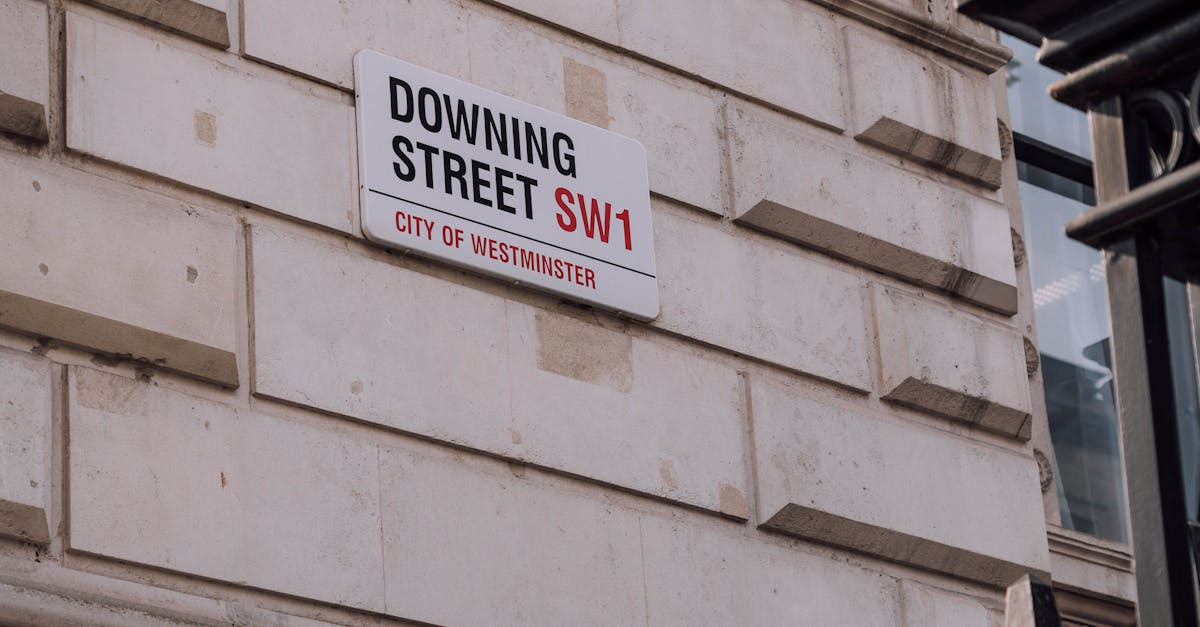
UK Prime Minister Keir Starmer is bracing for a politically catastrophic set of local elections on Thursday amid open reports that Labour MPs are plotting to oust him, with British government borrowing costs reaching their highest level in 28 years on Tuesday.
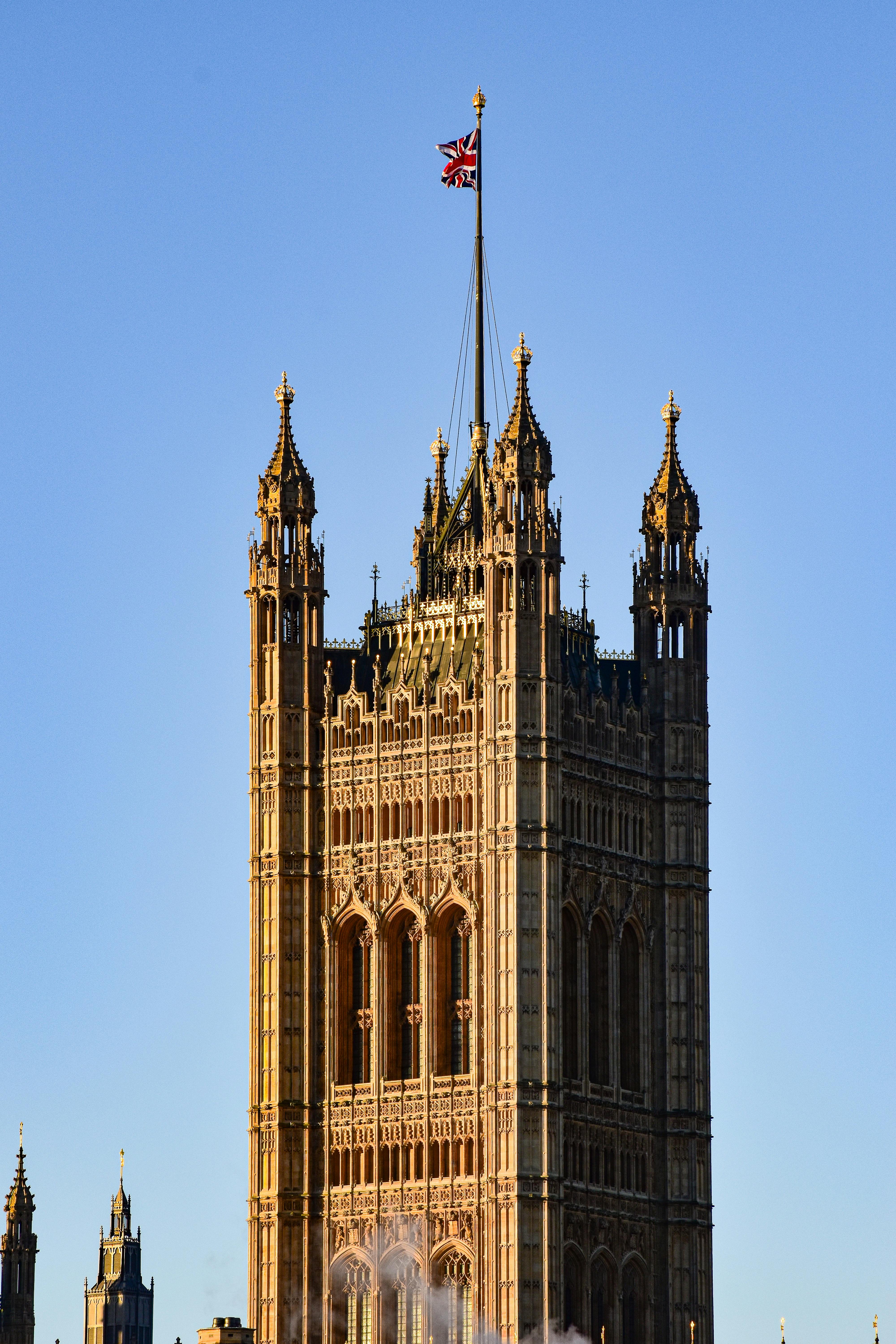
UK Prime Minister Keir Starmer is bracing for a politically catastrophic set of local elections on Thursday amid open reports that Labour MPs are plotting to oust him, with British government borrowing costs reaching their highest level in 28 years on Tuesday and senior cabinet members positioning for a possible leadership challenge.
The yield on 30-year UK gilts climbed to 5.78 per cent on Tuesday, the highest since 1998, as the bond market priced in both the energy-price shock from the Iran war and the political risk of a leadership change at Downing Street. The spike comes a day before voters in England, Wales and Scotland decide more than 4,800 local council seats and the future of the devolved Welsh Senedd and Scottish Parliament.
"It was widely reported that lawmakers are plotting an attempt to oust Prime Minister Keir Starmer," CNBC reported on Tuesday morning, citing unnamed Labour MPs. Starmer himself has acknowledged Labour faces "a challenge" on Thursday but rejected calls to resign.
"I think we have a fantastic team. I have absolute faith in them," Starmer told GB News on Tuesday morning. "What I would say to Brits is choose progress over the politics of anger."
Five political flashpoints
Polling firm YouGov estimates that 70 per cent of voters now think Starmer is doing "badly" in office, less than two years after Labour's 2024 landslide victory delivered the largest parliamentary majority of the 21st century. The prime minister, who convened business and community leaders only yesterday to address rising antisemitism after a string of attacks on Jewish targets, has watched his political authority erode despite serial attempts to reset the narrative. Tory peer Robert Hayward, a leading psephologist, estimates that Labour will lose 1,850 council seats on Thursday while Reform UK gains 1,550, primarily in white working-class areas outside London.
Five contests will set the political weather. In Wales, Labour faces the prospect of losing power for the first time since the Senedd was created in 1999. The new fully proportional electoral system makes a single-party majority virtually impossible. Welsh Labour could be forced to govern in coalition with the left-wing nationalist Plaid Cymru — a scenario that would humiliate Westminster — or stand aside while Reform UK and Plaid Cymru jointly form a government.
In Scotland, Labour appears likely to lose the second-place finish that, until last year, looked within reach. The Scottish National Party is on track to retain power despite a long-running finances investigation and two changes of first minister since 2023. Scottish Labour leader Anas Sarwar called for Starmer to resign in February. If the SNP wins another majority, more Scottish Labour figures are expected to follow.
In England, Reform UK leader Nigel Farage has campaigned heavily across the Midlands and northern England in areas including Barnsley, Gateshead and Sunderland. Sunderland is the constituency of Education Secretary Bridget Phillipson, one of several Cabinet ministers Reform has indicated it will target in 2029. Reform's "Vote Reform. Get Starmer Out" slogan signals that the party views Thursday's vote as a referendum on the prime minister.
In London, the Green Party is the principal threat to Labour. Under new leader Zack Polanski, the Greens are neck and neck with Labour in Starmer's own council of Camden, according to recent polling. Polanski has campaigned on a wealth tax and has been vocal in his condemnation of Israel's military campaign in Gaza — positions that have resonated with younger Labour voters. Polling firm Opinium estimates that Labour will lose more votes to the Greens than to Reform on Thursday.
The fifth flashpoint is internal Labour movement. Strathclyde University political scientist John Curtice, the country's most-watched psephologist, said the polls would have to be "dramatically out" for Starmer to avoid a terrible night. Even loyal Starmer supporters acknowledge that a result at the bottom of the projected range — Labour losing 2,000-plus seats — would force a leadership conversation.
Names being floated
Three names appear most often in Westminster speculation about a Starmer challenger.
Angela Rayner, Starmer's former deputy who resigned last year over a property tax error, is regarded as the candidate of the Labour soft left and has retained a personal popularity that Starmer no longer enjoys. Rayner has not commented publicly on a possible bid but has been visible at recent party events.
Health Secretary Wes Streeting, a Labour right-winger and former president of the National Union of Students, is regarded as the candidate most likely to inherit Starmer's centrist coalition. Streeting has carefully avoided public criticism of Starmer but has used recent interviews to position himself on NHS reform, immigration policy, and Israel-Gaza diplomacy.
Greater Manchester mayor Andy Burnham, a former Labour leadership contender, has built up an independent political base in the north of England but lacks a parliamentary seat. To run for leader, Burnham would first need to find a way back into the House of Commons — a procedural obstacle that may take months to resolve.
"It is not just dropping seats; it is the underlying political base," said Denis MacShane, a former Foreign Office minister of state under Tony Blair. "Members of Labour's voter base have criticised Starmer for cutting the winter fuel allowance. His judgment has been questioned over appointments to the US ambassadorship. The cumulative effect is that the party no longer trusts him."
Wider damage
Starmer's troubles also reflect a broader political fragmentation. The Conservative Party, under Kemi Badenoch, has continued to bleed support to Reform UK. The latest YouGov voting intention poll for The Times and Sky News suggests Reform is currently the most popular party if a general election were held now — a stunning reversal from Labour's 2024 majority of 174.
"Labour badly, badly need the Tories to recover at Reform's expense," Curtice said. A significant share of Reform's growth has come from former Conservative voters. A Conservative recovery would, Curtice added, "be the best news" Starmer has had in some time. So far there is little sign of one.
The bond market is taking notice. Tuesday's 5.78 per cent 30-year gilt yield is the highest since the Russia-Asia financial crisis of 1998, reflecting both rising US Treasury yields driven by the war and a rapidly rising UK political-risk premium. Sterling fell 0.4 per cent against the dollar to $1.21, and 0.6 per cent against the euro.
If Starmer survives Thursday — and that is now an open question — he will face a Labour parliamentary party that is openly debating whether his leadership has run its course. If he does not survive, the UK will face a leadership contest in the middle of an international energy crisis, a confrontation with Iran, and an autumn budget that the Treasury has yet to reveal.
For now, the question is whether the cabinet will close ranks behind him on Friday morning, or whether one or more of his colleagues will use the results to justify a public call for change. Starmer's loyal allies will frame whatever happens as "disappointing but unremarkable for a mid-term governing party," Curtice said. "I'm sure that's what Labour will spin. And it will probably almost undoubtedly be nonsense."
Dana Whitfield
Senior reporter covering UK politics, national security and community affairs.