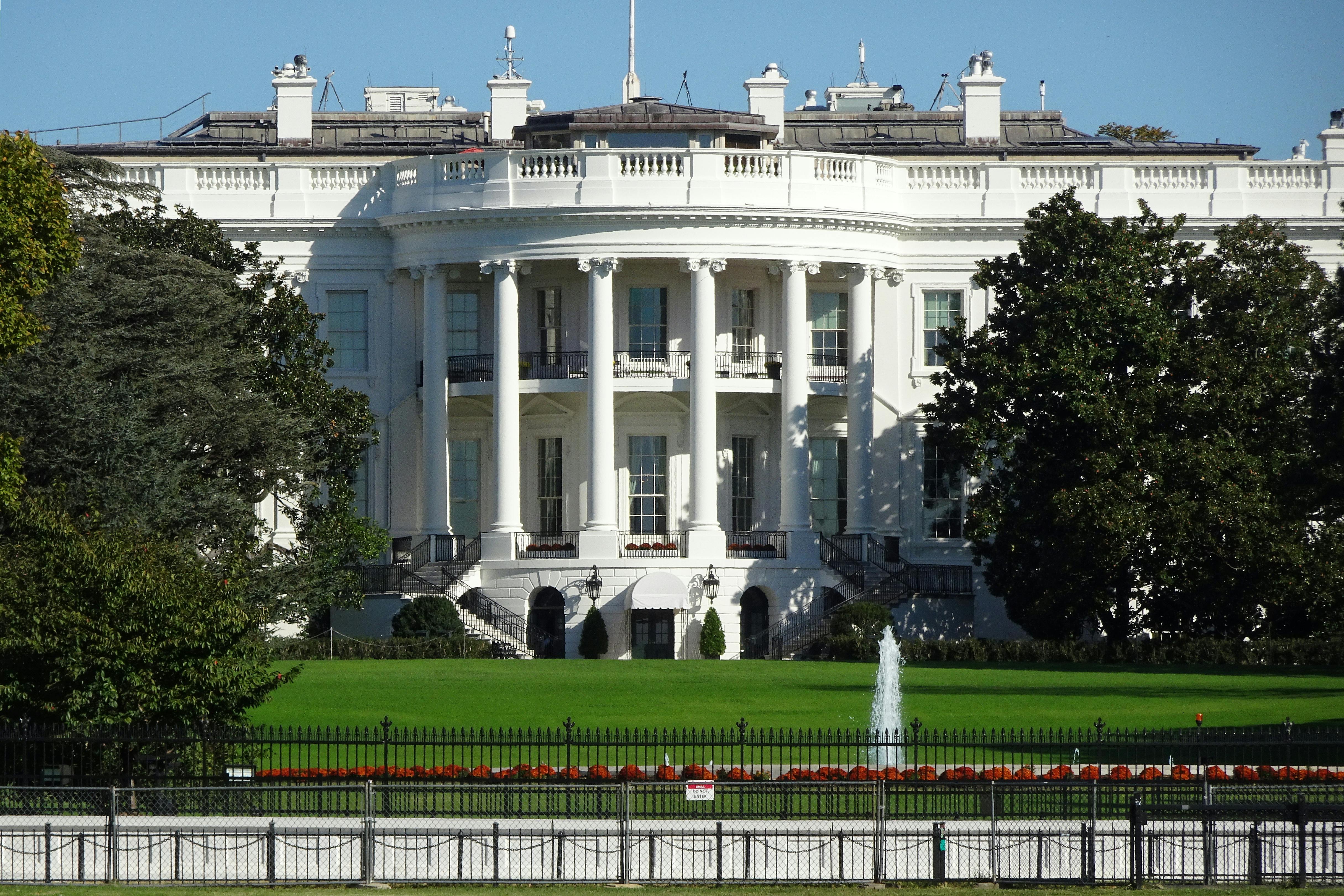
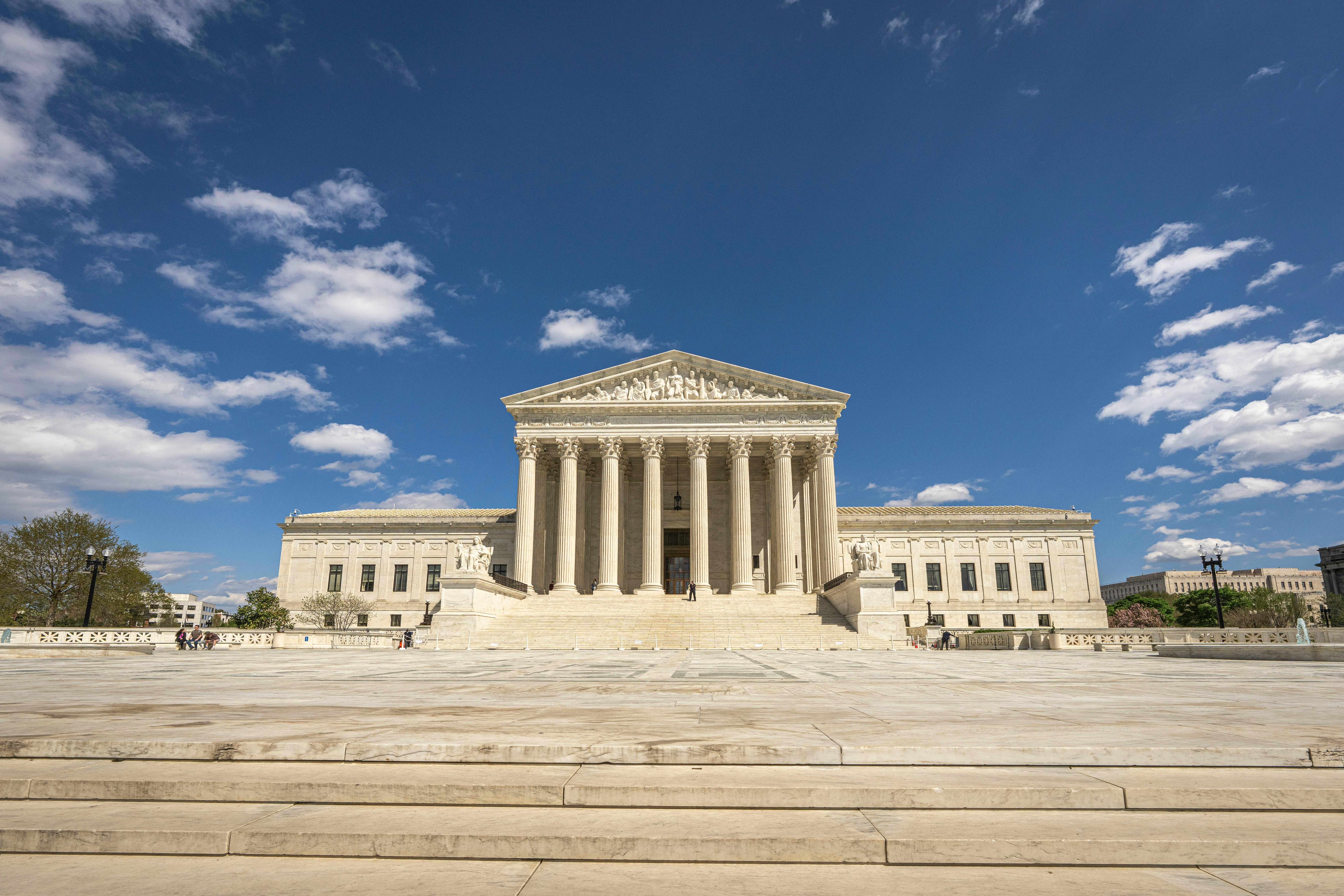
Federal court order halts White House ballroom as Republicans push $1bn taxpayer top-up
A federal court order barring above-ground construction of Donald Trump's $400 million White House ballroom remains in force, with the DC Circuit set to hear the administration's appeal in mid-June. Senate Republicans have moved separately to inject $1 billion of taxpayer money into the project's security perimeter.
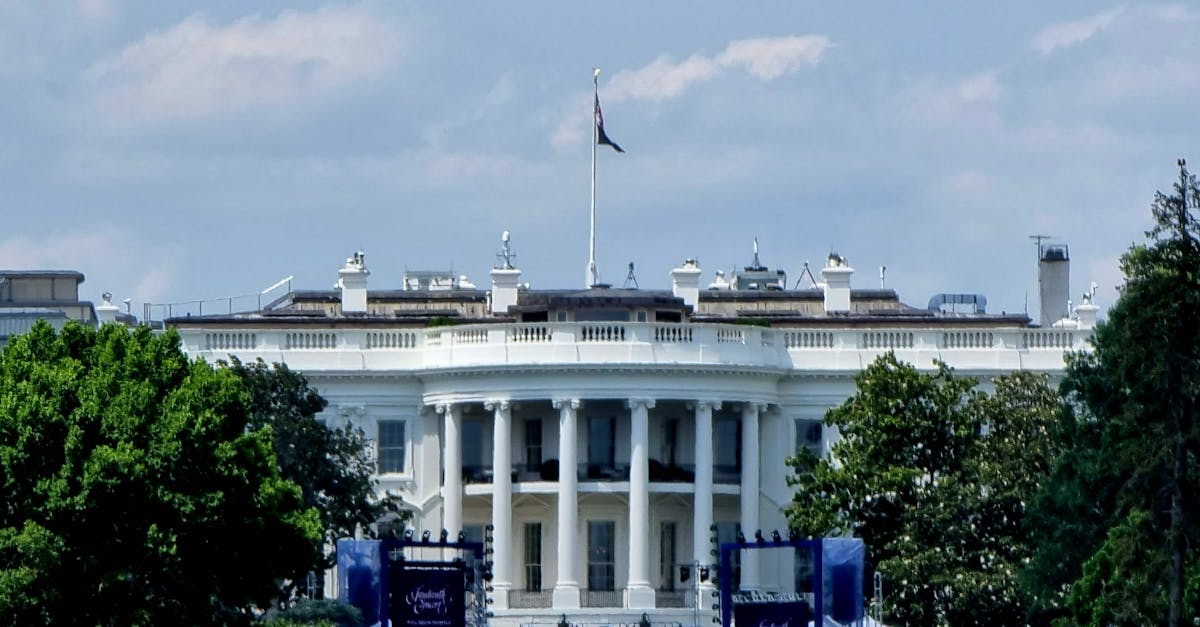
A federal court order barring above-ground construction of President Donald Trump's $400 million White House ballroom remains in force. Senate Republicans, on a separate track, are pushing $1 billion of taxpayer money toward the project's security perimeter.
US District Judge Richard Leon, a George W. Bush appointee, issued the preliminary injunction on March 31. He told the administration to stop work "unless and until Congress blesses this project through statutory authorization." His amended order on April 16 narrowed the freeze to above-ground work, and to anything that would "lock in the above-ground size and scale of the ballroom." Below-ground construction tied to national security can continue.
The DC Circuit Court of Appeals will hear oral arguments on the administration's challenge in mid-June. Until then, vertical work on the structure that replaced the East Wing cannot proceed.
What Leon ruled
Leon's 35-page memorandum opinion sided with the National Trust for Historic Preservation, which sued the administration in December. The trust was likely to win on the merits, the judge concluded, because "no statute comes close to giving the President the authority he claims to have." The opinion drew on a 1912 federal law that bars the erection of any building or structure on federal parkland in the District of Columbia without express congressional consent.
Leon rejected the administration's argument that statutes covering the "care, maintenance, repair" and "alteration" of the White House gave the president unilateral authority over the project. Those provisions, the judge wrote, do not allow for "the wholesale demolition of entire buildings and construction of new ones." He also batted down the private-funding workaround as a "Rube Goldberg contraption" that does not substitute for a vote of Congress.
"The President of the United States is the steward of the White House for future generations of First Families," Leon wrote. "He is not, however, the owner!"
The judge held off enforcement for 14 days to let the administration appeal. He warned that any above-grade framework erected during the pause "is at risk of being taken down depending on the outcome of this case." Work necessary to protect the safety of the building, the grounds and the president was carved out as an exception.
A narrower injunction after appeals-court pushback
The DC Circuit told Leon on April 11 to clarify the order's scope, citing what the administration called "grave national-security harms" from a total freeze. Leon's revised April 16 order drew a sharp line. Below-ground construction, including national security facilities, may proceed. Above-ground work tied directly to securing those underground facilities is permitted, provided it does not fix the overall size of the ballroom. Everything else stops.
The amended opinion was openly impatient with the administration's reading. "Defendants argue that the entire ballroom construction project, from tip to tail, falls within the safety-and-security exception and therefore may proceed unabated," Leon wrote. "That is neither a reasonable nor a correct reading of my Order!"
The administration appealed the revised order the same day. The injunction stays in place until the DC Circuit rules.
What is and isn't built
By the time the March 31 ruling came down, demolition of the East Wing was complete and below-grade structural concrete had been poured. Court filings reviewed by Engineering News-Record show above-grade structural work was scheduled to begin in April. Tower cranes had already been staged on the White House grounds. The 89,000-square-foot project, designed by Shalom Baranes Associates, is supposed to seat about 1,000 guests. It is being run directly out of the Office of the Executive Residence, not through a general contractor.
That sequencing is part of why the injunction bites. Halting at the threshold of vertical construction risks demobilization costs and disrupts procurement of structural systems on a high-security site, the trade publication noted. The order also decoupled the federal planning track from the construction track. The National Capital Planning Commission, packed with Trump allies, signed off on the design at an April 2 vote, two days after Leon's order. None of that approval restarts the saws.
Carol Quillen, president of the National Trust for Historic Preservation, called the order "a win for the American people."
The Republican $1bn workaround
Senate Republicans unveiled a separate response this week. A $72 billion reconciliation package released by Senate Judiciary Chairman Chuck Grassley on Monday earmarks $1 billion for the Secret Service for "security adjustments and upgrades" to the East Wing Modernization Project, including "above-ground and below-ground security features." The provision sits inside a larger funding vehicle for Immigration and Customs Enforcement and Customs and Border Protection.
The bill bars use of the $1 billion for "non-security elements" of the ballroom. None of the funds expire until September 30, 2029, well into the next presidential term. A separate Top of Hour News piece on the political fight over the ICE-bill ballroom rider has the floor strategy.
That funding push is parallel to, not a substitute for, the statutory authorization Leon demanded. The reconciliation bill does not purport to authorize construction of the ballroom itself under the 1912 statute, and the Trump administration has continued to rely on private donations for the building. Trump posted on Truth Social on Wednesday that the $400 million figure reflects a project "approximately twice the size, and a far higher quality, than the original proposal." His White House has said in court filings that the structure is "vital" for presidential security and will be built with materials able to withstand drone attacks.
What to watch
The next hard date is the DC Circuit oral argument in mid-June. The judges will decide whether the injunction survives, narrows further or is vacated. A ruling is unlikely before late June.
If the appeals court upholds Leon, construction stays frozen above ground and the project becomes contingent on a vote of Congress. If the panel vacates, vertical work can resume immediately. The reconciliation bill, on its own legislative track, faces a Democratic effort to strip the $1 billion provision when it reaches the Senate floor later this month. Trump has asked Republicans to deliver the package for his signature by June 1.

Eli Donovan
Supreme Court and legal affairs correspondent covering the federal judiciary and constitutional law. Reports from Washington.