Israel strikes Beirut for first time since Lebanon ceasefire, targets senior Hezbollah commander
Israel hit Beirut's southern suburbs on Wednesday for the first time since the April 17 Lebanon ceasefire, saying the strike targeted a Hezbollah Radwan force commander. The attack landed as Iran reviews a US peace plan that aides on both sides describe as the closest the war has come to a deal.
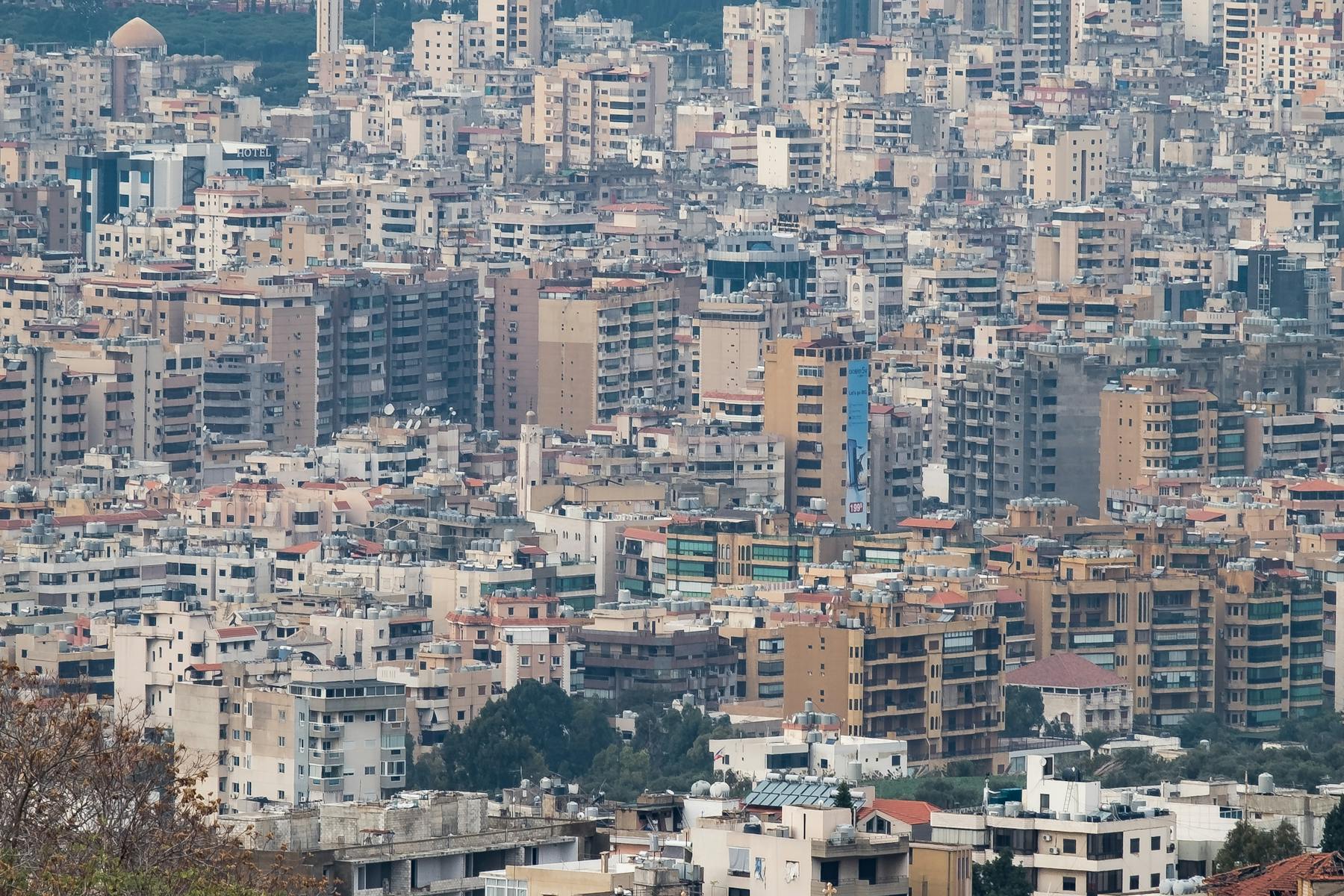
Israel struck the southern suburbs of Beirut on Wednesday for the first time since the April 17 ceasefire with Hezbollah. The military said it had targeted Malek Balou, the commander of the militant group's elite Radwan force, in the densely populated Ghobeiri district.
Prime Minister Benjamin Netanyahu and Defence Minister Israel Katz announced the operation in a joint statement. They said Radwan operatives under Balou had fired on Israeli communities and wounded soldiers in the north. "No terrorist has immunity," the statement read. "Israel's long arm will reach every enemy and murderer."
Lebanese state media said the strike hit a building in Ghobeiri, in the area of southern Beirut known as Dahiyeh and long a Hezbollah stronghold. Israeli media named the target as Balou and reported that the deputy commander of the Radwan force and other officials were also at the compound. The Israeli military and Hezbollah did not immediately confirm whether Balou was killed.
A fragile truce, tested again
The last Israeli strike on the Lebanese capital was on April 8, when an operation Israel called Eternal Darkness killed at least 357 people across Lebanon. Twenty observer states and the United Nations condemned it. The April 17 ceasefire that followed has held in Beirut and the north. It has not held in the south.
Lebanon's health ministry says more than 2,700 people have been killed in Israeli strikes since the wider war began on March 2. Dozens have died since the April 17 truce came into force. "It's a ceasefire in name only, and probably more accurately, it's a limited de-escalation," David Wood, senior Lebanon analyst at the International Crisis Group, told CBC News from Beirut.
Earlier on Wednesday, an Israeli airstrike on the West Bekaa town of Zellaya killed four people, including two women and an elderly man, the Lebanese health ministry said. State media reported that the strike hit the home of the local mayor, killing him along with three of his family members. The Israeli military then issued evacuation warnings for a dozen towns and villages. Most were north of the Litani River, outside the self-declared buffer zone where Israeli troops still operate.
Who Hezbollah's Radwan force is
The Radwan force is Hezbollah's commando arm and has been a central focus of Israeli targeting since the war restarted on March 2. Its previous chief, Haytham Ali Tabatabai, was killed in a Beirut strike in November 2025. That operation was the heaviest Israeli action against Hezbollah since the November 2024 ceasefire. Tabatabai had replaced Ibrahim Aqil, who was killed in September 2024 alongside Hezbollah's longtime leader Hassan Nasrallah.
Wednesday's strike followed days of escalating skirmishes near the Litani. The Israeli army said Hezbollah had launched explosive drones and rockets at its soldiers, wounding two, and that air defences intercepted a hostile aircraft before it crossed into Israel. Hezbollah confirmed several attacks, calling them a response to the "Israeli enemy's violation of the ceasefire." Seventeen Israeli soldiers and one civilian contractor have been killed in southern Lebanon since March 2, the Israeli military says.
Beirut strike collides with Iran talks
The Beirut strike landed as Iran said it was still reviewing a US peace proposal aimed at ending the wider war and reopening the Strait of Hormuz. Foreign ministry spokesman Esmaeil Baqaei told ISNA that "the US plan and proposal are still under review by Iran" and that Tehran would convey its position through Pakistani mediators after "finalising its views." The exchange came a day after world leaders piled pressure on Tehran over a fresh round of attacks on the United Arab Emirates.
Axios reported on Wednesday that Washington and Tehran were negotiating a 14-point memorandum of understanding. The text would declare an end to the war, open a 30-day window of negotiations and place a moratorium of at least 12 years on Iranian uranium enrichment. It would also open the Strait of Hormuz to all shipping, including Iranian, and require Tehran to accept United Nations inspections. Reuters cited a Pakistani source saying the two sides were "getting close."
US President Donald Trump said in the Oval Office that "it's very possible we'll make a deal." On Truth Social, he warned that bombing would resume "at a much higher level and intensity" if Iran rejected the terms. Pakistani Prime Minister Shehbaz Sharif, who is mediating, said he was "very hopeful that the current momentum will lead to a lasting agreement."
Beirut government walks a tight rope
Lebanese Prime Minister Nawaf Salam said it was premature to discuss any high-level meeting between Lebanon and Israel. He told the National News Agency that shoring up the ceasefire was the basis for any new round of talks. Washington last month hosted two ambassador-level meetings between the two countries, the highest-level direct contact in decades. Hezbollah strongly objects to the negotiations.
"Our minimum demand is a timetable for Israel's withdrawal," Salam said. He added that the government would press ahead with a plan to restrict weapons to state control, an effort aimed at securing Hezbollah's disarmament. President Joseph Aoun said this week the timing was not right for a meeting with Netanyahu. Lebanon, he said, "must first reach a security agreement and a halt to the Israeli attacks, before we raise the issue of a meeting between us."
Israel has carved out a self-declared security zone as deep as 10 kilometres into southern Lebanon. Israeli officials say it is needed to protect northern communities from Hezbollah fighters embedded in civilian areas. About 1.2 million people have been displaced from their homes in Lebanon since March 2, according to government figures. Most have fled the south, the Bekaa and Beirut's southern suburbs.
What to watch next
For Israel, the strike was a signal that the truce will not shield senior Radwan commanders. For Hezbollah, the question is how far to widen its reply without ending the truce altogether. IDF officers complained in late April that the ceasefire's terms were limiting their ability to counter Hezbollah threats. Wednesday's strike suggests political leaders have pushed back.
Trump said in late April that he hoped to host Netanyahu and Aoun in the coming months and saw "a great chance" of a peace agreement this year. Whether the Beirut strike makes that prospect harder or easier will turn on Tehran's answer to the 14-point plan. Lebanese and US officials have argued for weeks that holding the Lebanon truce was a precondition for any wider Iran deal. On Wednesday, Israel tested that proposition for the first time since April 17.

Yara Halabi
Foreign affairs correspondent covering the Middle East, the Gulf and US foreign policy. Reports from London.