China's top envoy meets Iran's foreign minister in Beijing, calls for full Hormuz reopening
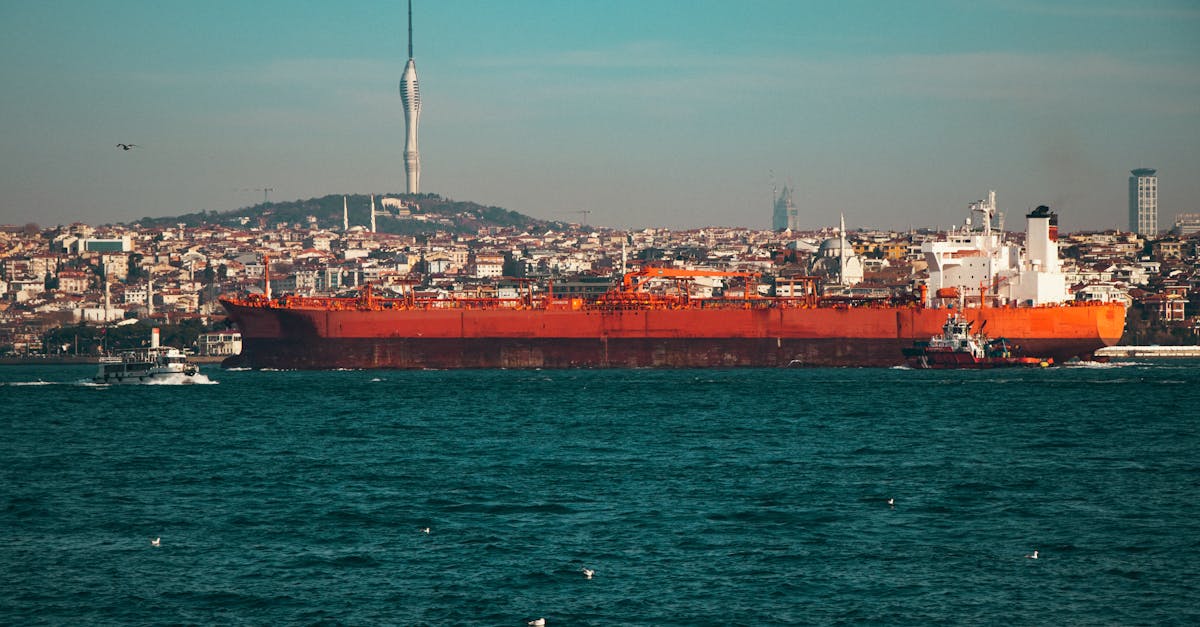
Chinese Foreign Minister Wang Yi met Iranian counterpart Abbas Araghchi in Beijing on Wednesday and called for a 'comprehensive ceasefire' and full reopening of the Strait of Hormuz, days before President Donald Trump arrives in the Chinese capital for a summit with Xi Jinping.
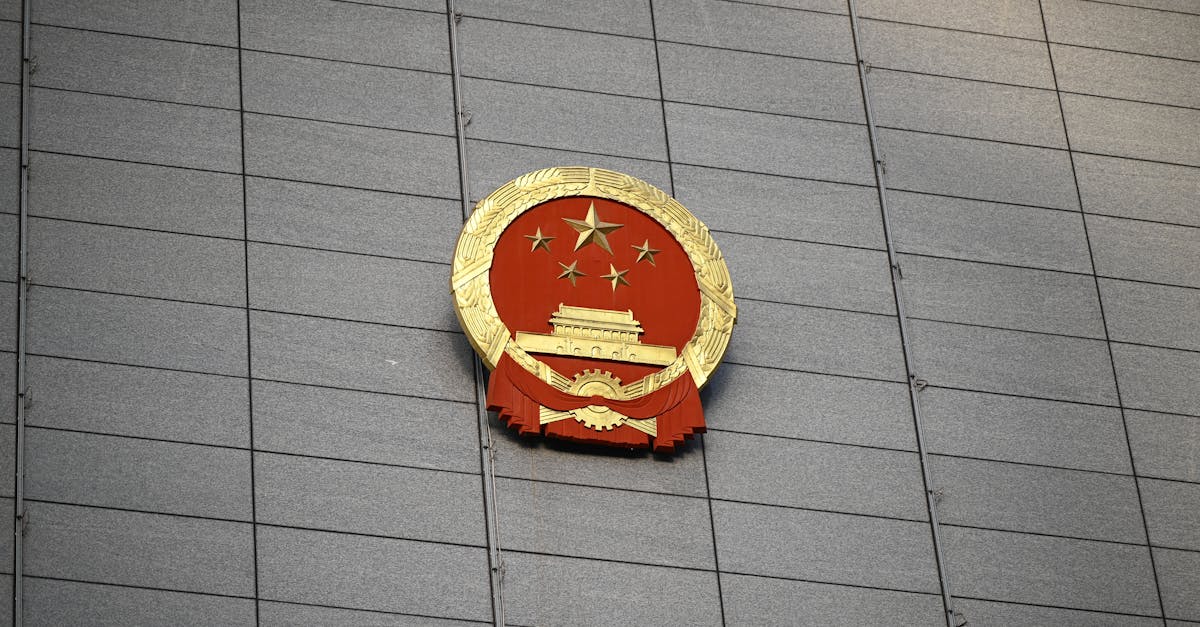
BEIJING. Chinese Foreign Minister Wang Yi met his Iranian counterpart Abbas Araghchi in the Chinese capital on Wednesday and called for a "comprehensive ceasefire" in the Iran war, urging Tehran to restore safe passage through the Strait of Hormuz. The meeting came days before US President Donald Trump arrives for a summit with Xi Jinping. It was the most visible step yet in Beijing's effort to claim a central role in ending the four-week-old conflict.
Wang told Araghchi that China is "deeply distressed" by the war and pressed Iran to reopen the strait, the world's most strategic oil chokepoint. "The international community shares a common concern for restoring normal and safe passage through the Strait, and China hopes the relevant parties will respond as quickly as possible to the strong calls from the international community," Wang said, according to the Xinhua state news agency.
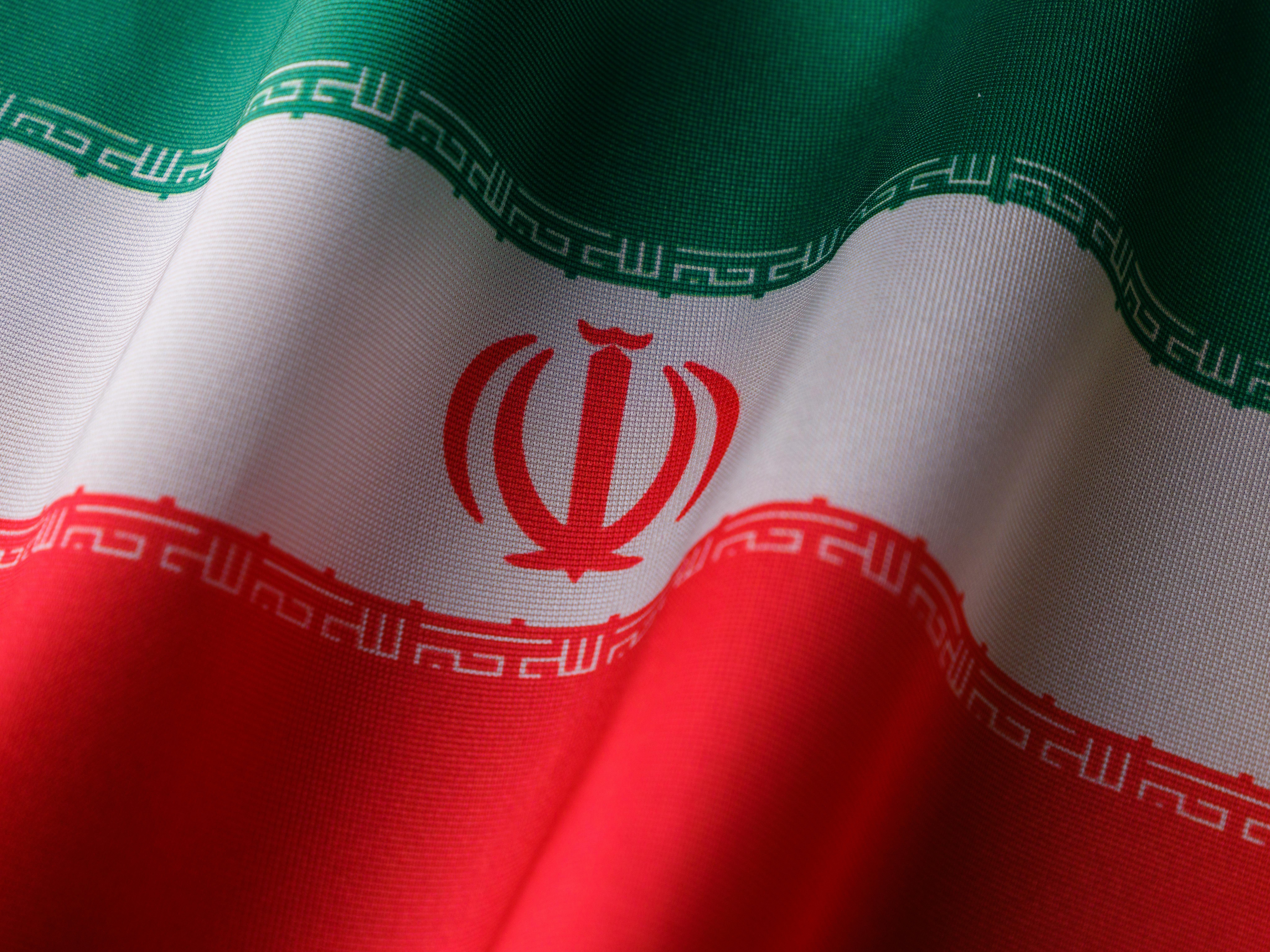
The visit was Araghchi's first to Beijing since the war began on Feb. 28. His reply, by Tehran's standards, amounted to a public concession. "Currently, it is possible to resolve the issue of reopening the Strait of Hormuz as soon as possible," Xinhua quoted him as saying.
Why the timing matters
Trump and Xi are due to meet in Beijing next week, and the Iran war is expected to dominate the agenda. On Tuesday, Secretary of State Marco Rubio publicly urged Chinese officials to use Araghchi's visit to lean on Tehran to release its grip on the waterway. Wang's call to reopen the strait gives the White House language it can point to going into the summit, even as Trump has continued to threaten further bombing if Iran does not back down.
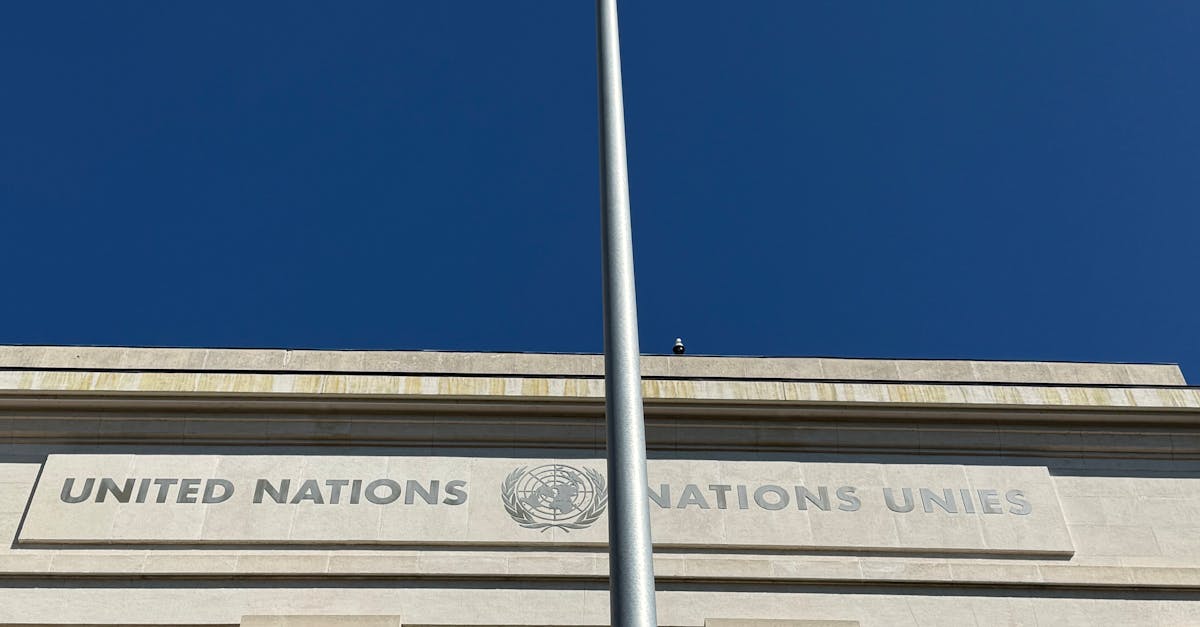
The Beijing meeting opens a second diplomatic track alongside the US-led push at the United Nations Security Council, where Washington and a group of Gulf states circulated a draft resolution this week threatening Iran with sanctions if it does not halt attacks on Hormuz shipping. The UN track relies on coercion. The Beijing track relies on Iran's economic dependence on China.
Tuvia Gering, a nonresident fellow at the Atlantic Council's Global China Hub, said the timing of the visit was the point. He said the meeting showed coordinated messaging between Beijing and Tehran and reinforced China's intent to claim a seat at any postwar settlement. "However, unless China implements a concrete initiative, I would not consider this a significant shift in China's role."
Hoo Tiang Boon, a professor of Chinese foreign policy at Nanyang Technological University in Singapore, said the venue itself carried weight. Iran's foreign minister, he noted, had come at Beijing's invitation. "It's China exercising their leverage to summon the Iranian foreign minister," Hoo said. "By holding the talks with the Iranians, you can't fault them for not putting in any effort."
Beijing's economic leverage over Tehran
China is Iran's largest oil customer, the top buyer of barrels that other markets refuse to touch under US sanctions. That trade relationship is the spine of any pressure Beijing can credibly bring to bear on Tehran. George Chen, a partner at The Asia Group consultancy, said China's role in the conflict is irreplaceable. As Iran's biggest oil buyer, he said, its advice carries weight in Tehran in a way Washington's threats no longer do.
That position cuts both ways. The US government has long said Iran's ballistic missile program was built with Chinese technology and that Chinese firms continue to supply dual-use industrial components that feed Iranian missile production. Beijing has also been one of the few capitals to defend Iran at the United Nations during the war. Wang on Wednesday said China appreciates Iran's pledge not to develop nuclear weapons, while reaffirming Iran's right to peaceful nuclear energy. That language gives Tehran diplomatic cover at the Security Council.
China can also offer something Washington cannot. It can promise investment in postwar reconstruction and commercial relief to Gulf states left exposed by the war, including Pakistan and several Arab Gulf governments now caught between Iran and the United States.
A growing role as global mediator
For most of the past decade China was reluctant to get involved in conflicts far from its borders. That has shifted. In 2023 Beijing helped broker the restoration of diplomatic ties between Saudi Arabia and Iran, a deal widely seen as a geopolitical breakthrough. It hosted multiple meetings during the recent Thailand-Cambodia border conflict and helped broker a fresh ceasefire alongside the United States in December. It has issued peace proposals on the war in Ukraine, and at one point hosted Ukraine's foreign minister, even while keeping its declared "no-limits" partnership with Russia intact.
Muhammad Zulfikar Rakhmat, a researcher at the Center of Economic and Law Studies in Indonesia, said Beijing has been selective. "Its mediation tends to be opportunistic and low-risk, often occurring when conditions are already conducive to agreement," he said. He pointed out that Saudi Arabia and Iran had their own incentives to reengage well before China stepped in.
The Iran war fits that pattern. US strikes have degraded Iranian forces. Tehran's economy is crippled. Gulf states are pushing for an end to attacks on tankers. The conditions for a settlement are taking shape regardless of whether Beijing brokers one. What China can do is shape the terms.
What it sets up for the Trump-Xi summit
Trump went into this week with the rhetoric pitched high, telling Iran to "wave the white flag of surrender" even as fresh Iranian missile salvoes struck the United Arab Emirates. Xi has chosen the opposite tone. Last month he framed China's approach as "upholding the principles of peaceful coexistence, upholding national sovereignty, upholding the rule of international law, and coordinating development and security."
That contrast is the point, said Thitinan Pongsudhirak, a professor of international relations at Chulalongkorn University in Bangkok. "What the U.S. is doing is deeply damaging, and everyone suffers from it, and China is displaying global leadership and exerting its global role by speaking to the rules-based international system," he said. "It's an inescapable contrast."
For Xi, the calculation heading into next week's summit is simple. If the Strait of Hormuz reopens after the Beijing meeting, the credit will follow Wang's call for a comprehensive ceasefire rather than Trump's bombing threats. If it does not, Beijing will have placed itself on record demanding what Washington wanted, without paying any of the costs of enforcement. Either way, China walks into the summit with leverage it did not have a week ago.
What happens next will depend on whether Tehran follows Araghchi's words with action on the water. Iranian Revolutionary Guards units have continued to harass Gulf shipping into this week. The Trump-Xi meeting is now the deadline by which both Beijing and Washington want a visible de-escalation. If the strait stays closed, the diplomatic track that opened in Beijing on Wednesday will be the first thing the two leaders argue about when they sit down.

Yara Halabi
Foreign affairs correspondent covering the Middle East, the Gulf and US foreign policy. Reports from London.