Vance presses Trump on Iran war intel as US missile stockpile fears mount
Vice President J D Vance has privately pressed President Donald Trump on whether the Pentagon is giving the White House an accurate read of the Iran war, including the scale of US missile-stockpile depletion. The report opens a rare crack in the administration's national-security discipline.
Vice President J D Vance has privately questioned whether the Pentagon is giving President Donald Trump an accurate picture of the Iran war, including the scale of US missile-stockpile depletion, according to a report by The Atlantic that has surfaced a rare crack in the administration's national-security front.
The magazine, citing two senior administration officials, reported that Vance has repeatedly pushed back on the Defense Department's depiction of the eight-week conflict in closed-door meetings. He has also asked whether senior officials are understating what one official described as a drastic drawdown of US munitions reserves. Defense Secretary Pete Hegseth and Joint Chiefs Chairman Gen. Dan Caine have publicly said the stockpiles are robust and that Iranian forces have suffered severe damage.
The vice president has framed the questions as routine readiness checks rather than a charge against either man. The Atlantic reported that he has presented the concerns as his own and avoided accusing Hegseth or Caine of misleading the president. A White House official told the magazine the vice president "asks a lot of probing questions about our strategic planning, as do all of the members of the president's national-security team."
A non-denial on Fox
Speaking to Fox News on Wednesday, Vance disputed the report before appearing to confirm its substance. "Nobody who actually knows what I think, nobody who's close to me, was speaking to that reporter," he said. "Because if they did, then it would've been a totally different story."
He then added: "Of course I'm concerned about our readiness, because that's my job to be concerned. But I think that Pete Hegseth, our Department of War secretary, I think General Caine, our chairman of the Joint Chiefs of Staff, they're doing an amazing job, but it's of course my job to ask these questions."
The formulation lands awkwardly for an administration that has worked to project a unified front. Trump has repeatedly described US weapons stocks as "virtually unlimited" and called Iran's military "totally gone." Press Secretary Karoline Leavitt told reporters last week the United States was "fully loaded with more than enough weapons and munitions, in stockpiles here at home and all around the globe."
What the numbers show
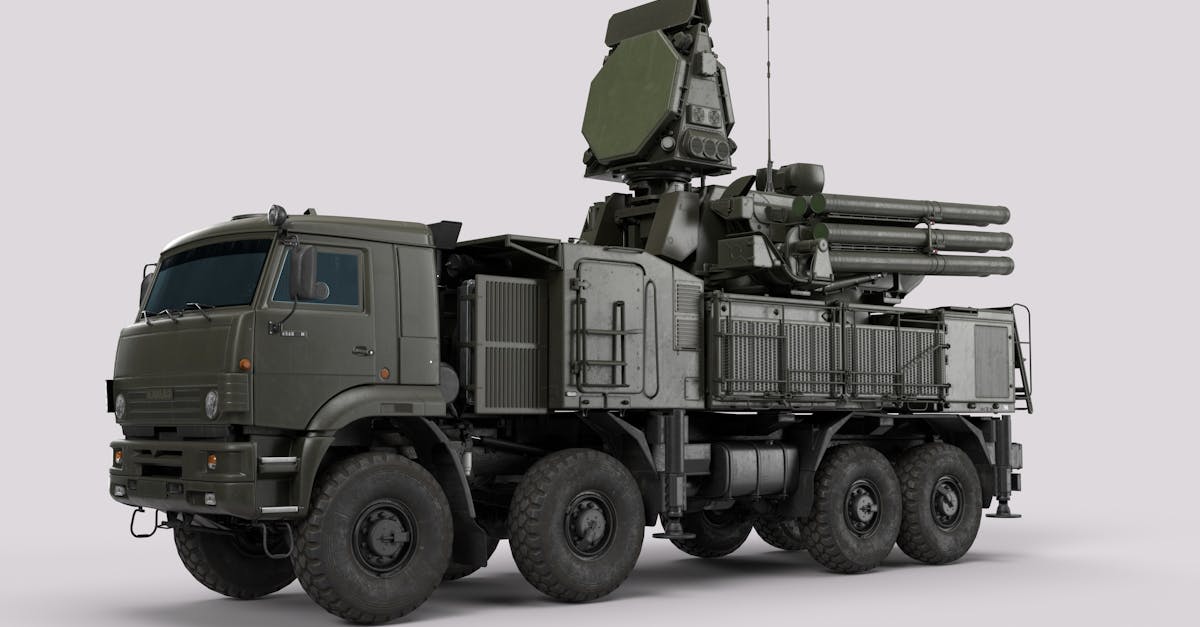
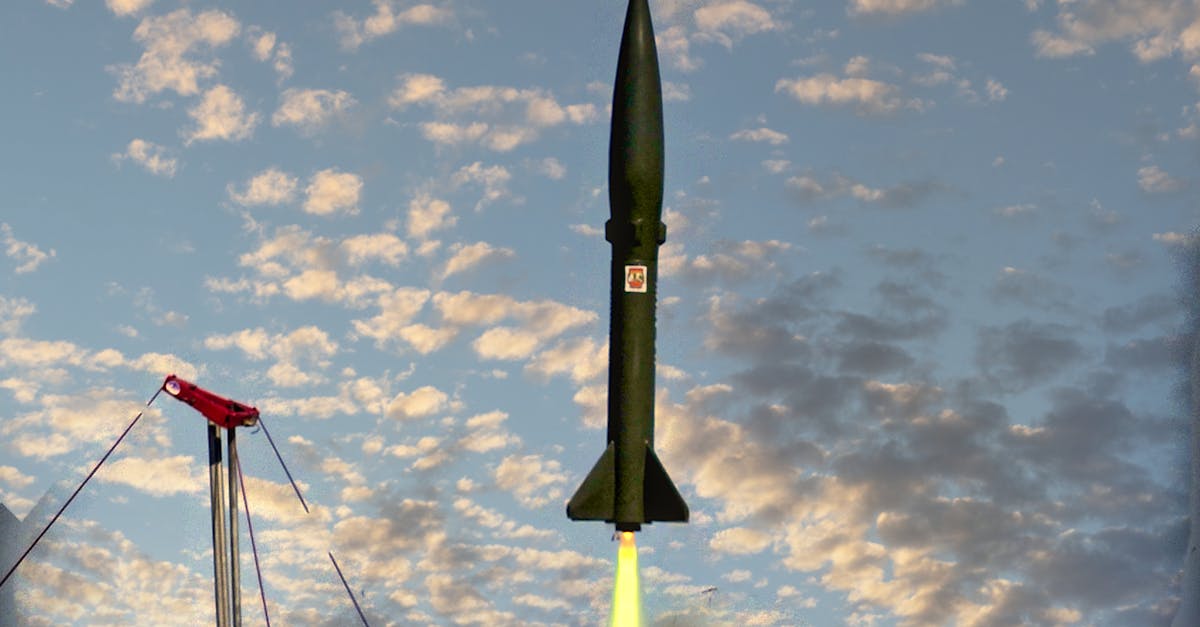
A Center for Strategic and International Studies analysis published last month put hard figures behind the concern. In the first seven weeks of the war, US forces had expended at least 45 per cent of the Precision Strike Missile inventory, at least half of the THAAD ballistic-missile interceptor stockpile and close to 50 per cent of the Patriot air-defense interceptors held by the Pentagon. Those figures, the report said, closely tracked classified Defense Department data.
The CSIS team also found that roughly 30 per cent of the Tomahawk cruise-missile stockpile, more than 20 per cent of long-range Joint Air-to-Surface Standoff Missiles and about 20 per cent of the SM-3 and SM-6 ship-launched interceptors had been fired off. Replacement timelines run three to five years on the most-used systems even with the production contracts signed earlier in 2026.
Mark Cancian, a retired Marine Corps colonel and one of the report's authors, told CNN the result is a measurable readiness gap. "The high munitions expenditures have created a window of increased vulnerability in the western Pacific," he said. "It will take one to four years to replenish these inventories and several years after that to expand them to where they need to be."
Pentagon spokesman Sean Parnell pushed back when CNN published the analysis. The military, he said in a statement, "has everything it needs to execute at the time and place of the President's choosing."
The trade-off Vance is flagging
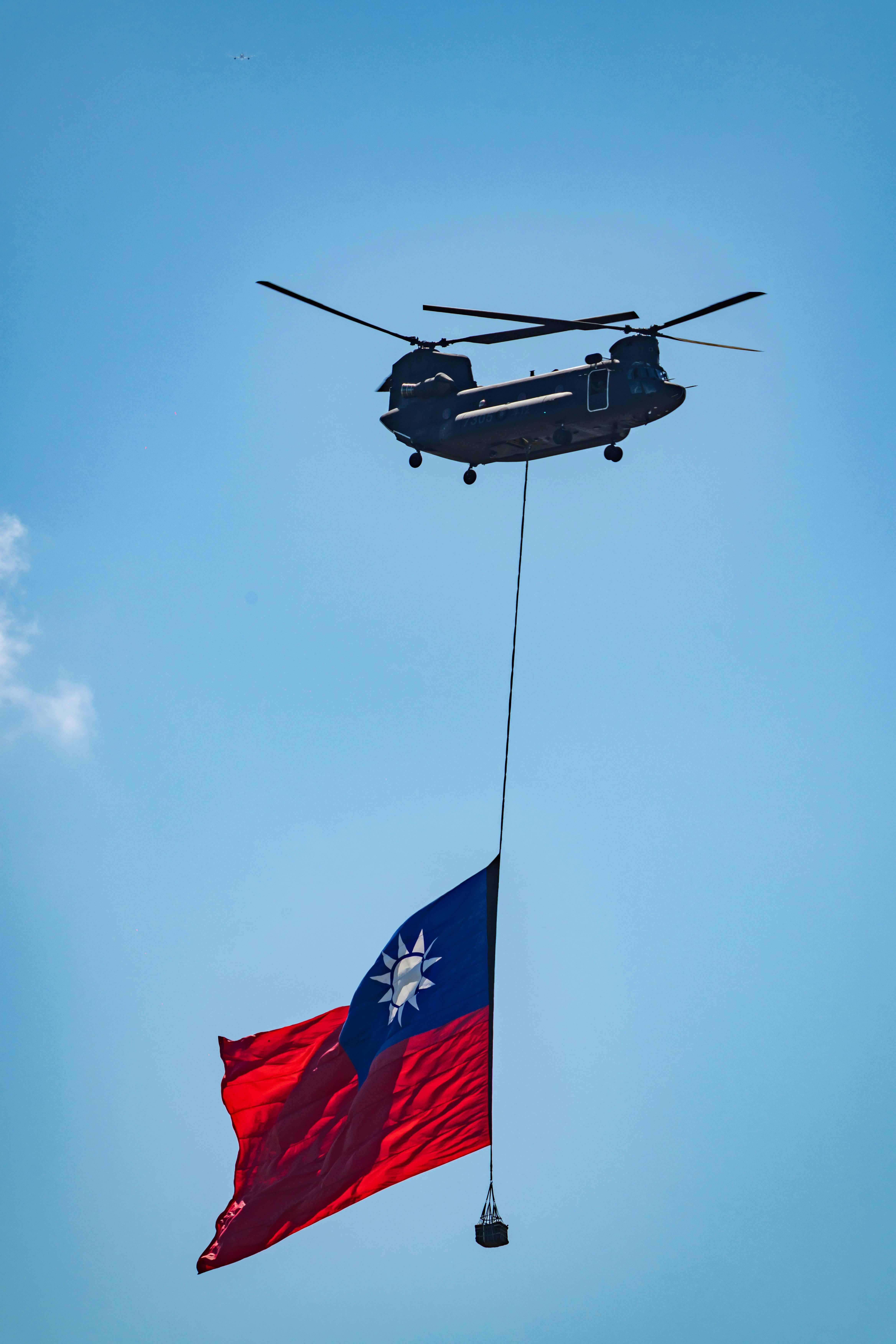
The vice president's questions go beyond bookkeeping. Each interceptor fired in the Gulf is one not held in reserve for Taiwan, South Korea or NATO. The Atlantic noted that a serious drawdown would force planners to choose between sustaining the Iran campaign and meeting commitments elsewhere. Trump's national-security team would have to draw on the same stocks to defend Taiwan against China, South Korea against North Korea and Europe against Russia.
The strain is already visible in deployments. According to a New York Times count cited by the Independent, the US has fired at least 1,110 long-range stealth cruise missiles since February, close to the total stockpile, and more than 1,000 Tomahawks, around ten times the annual procurement run. The military has shifted bombs, missiles and gear from commands in Asia and Europe to keep the Middle East line of supply intact.
The pressure is also showing up in unusual procurement choices. On May 1 the State Department cleared $2.1 billion in emergency foreign military sales of the APKWS guided rocket to Israel, Qatar and the United Arab Emirates. The 70 mm rocket is a Korean War-era weapon retrofitted to shoot down Iranian Shahed drones at a fraction of a Patriot's cost. Officials in the State Department's political-military bureau described the package as a deliberate substitution of cheap mass-produced rockets for high-end interceptors the United States can no longer afford to spend at the current rate.
Congressional pressure builds
Hegseth faced a bruising House hearing on Wednesday over the war's strategy and its arsenal cost, with senators set to take their turn the following day. Democrats on both committees pressed for a clearer accounting of expenditure and a faster path to replenishment.
Sen. Mark Kelly of Arizona, a Democrat on the Armed Services Committee and a former Navy combat aviator, told reporters last month the issue is now an arithmetic problem. "The Iranians do have the ability to make a lot of Shahed drones, ballistic missiles, medium range, short range and they've got a huge stockpile," he said. "So at some point this becomes a math problem and how can we resupply air defense munitions. Where are they going to come from?"
Sen. Richard Blumenthal of Connecticut, also on the panel, told TIME magazine he was "deeply concerned about Ukraine," warning that supplies for Kyiv would be among the first casualties of any tightening at the Pentagon stockpile.
Why Vance is the one asking
Vance was the most prominent restraint voice in the 2024 Republican campaign. He argued then that the United States lacked the industrial base to fight long wars in two theatres and that Middle East interventions drained capacity needed to deter China. The current munitions arithmetic is the scenario he warned of, now reaching the situation room as raw inventory data rather than as a campaign talking point.
His allies told The Atlantic the vice president is balancing two pressures. He wants Trump to hear the unfiltered version of what the Pentagon is using up. He also has no interest in becoming the public face of a split with Hegseth, a former Fox News host whose elevation Vance backed and whose "warrior ethos" reform of the officer corps Vance has praised in interviews.
What to watch
The depletion thesis faces a near-term test on Capitol Hill. Hegseth's Senate testimony on Thursday is the first occasion lawmakers can demand specific inventory figures on the record. The administration is also expected to send Congress a supplemental funding request this month that will indicate how much money Trump is prepared to ask for to rebuild the missile pipeline.
Tehran can still force the issue from the other side. Any fresh Iranian strike on shipping in the Strait of Hormuz, where a four-week ceasefire is already fraying, would put commanders back in the position of deciding which interceptors to release. CSIS estimates the Pentagon spent about $24 billion on major munitions in the war's first seven weeks alone. Whether that pace continues will not be the vice president's call to make.

Theo Larkin
Defense correspondent covering US military operations, weapons procurement and the Pentagon. Reports from Washington.