Oreshnik missile threat tests Ukraine after Putin vow
Oreshnik missile threat is forcing Kyiv and its allies to weigh how quickly Moscow could turn Putin's retaliation order into a harder-to-stop strike.

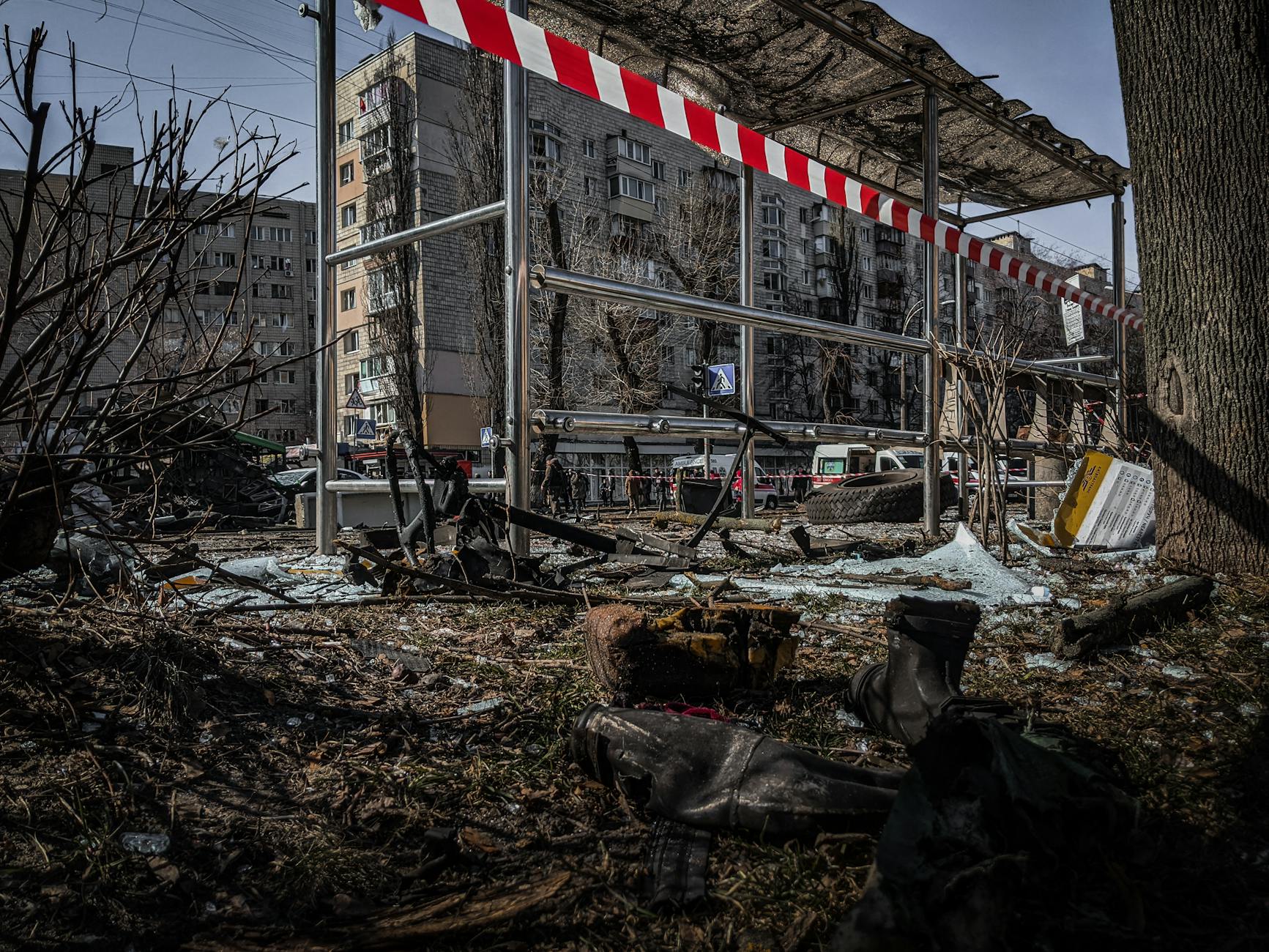
A day after Vladimir Putin vowed retaliation over a deadly strike on a student dormitory in occupied Luhansk, Kyiv said Russia could be preparing something more consequential than another routine barrage: a combined attack that may include an Oreshnik missile. The warning turns the story from rhetoric into capability. Ukraine is no longer only parsing Kremlin anger; officials are trying to judge whether Moscow is ready to use one of the most politically charged weapons it has unveiled in the war.
Kyiv’s problem is time. Reuters reported that President Volodymyr Zelenskiy said intelligence pointed to preparation for a combined strike on Ukrainian territory, including Kyiv, with “various types of weaponry”. The Financial Times reported that Ukraine’s air force had flagged an active threat from a likely inbound Oreshnik missile during a heavy overnight assault on the capital. If the warning is credible, commanders have less time to alert civilians, disperse assets and attempt interception in a city already living under repeated missile and drone attacks.
European missile-defence analysts read Oreshnik differently. They focus on how the system complicates air-defence planning through speed, rarity and nuclear-capable branding. Outside analysis carried by CBC and ABC Australia has stressed the same mix of interception difficulty and deterrent theatre. Even before any launch, Zelenskiy’s warning matters because the missile does not need to be fired often to alter the planning cycle around it.
In the same Reuters report, Zelenskiy put the concern plainly:
“We are seeing signs of preparation for a combined strike on Ukrainian territory, including Kyiv, involving various types of weaponry.”
— Volodymyr Zelenskiy
The sequence then tightened. Putin said Russia would answer the dormitory strike in Luhansk and, according to follow-up coverage, officials were told to prepare response options. Casualty accounts from Russian and Western reports have varied, leaving the political narrative around the incident contested. The escalation chain is clearer: strike in Luhansk, order for retaliation, warnings of possible Oreshnik use, then a new Russian assault on Kyiv while embassies and officials assessed whether the threat was bluff, signal or an operational plan.
Its rarity helps explain why the warning landed so heavily. Russia has used Oreshnik only twice during the war, first in Dnipro in November 2024 and again in the Lviv region on January 9, 2026. The second strike mattered far beyond western Ukraine because it hit about 60 km from the Polish border, bringing a nuclear-capable missile into the geographic space where every launch is read not just in Kyiv but in NATO capitals. Ukrainian accounts have put Oreshnik’s speed at about 13,000 km/h. Even if those descriptions are part warning and part messaging, they still force a broad defensive reaction.
Why Oreshnik changes the calculus
An Oreshnik launch would send a different signal from another wave of drones or cruise missiles. A Shahed swarm wears down stocks and nerves. The harder question is how much warning Ukraine really gets when the weapon is designed to look hard to stop and easy to misread. That is the analyst’s concern, and Kyiv’s warnings suggest officials do not want allies dismissing the threat as theatre until the launch window closes.
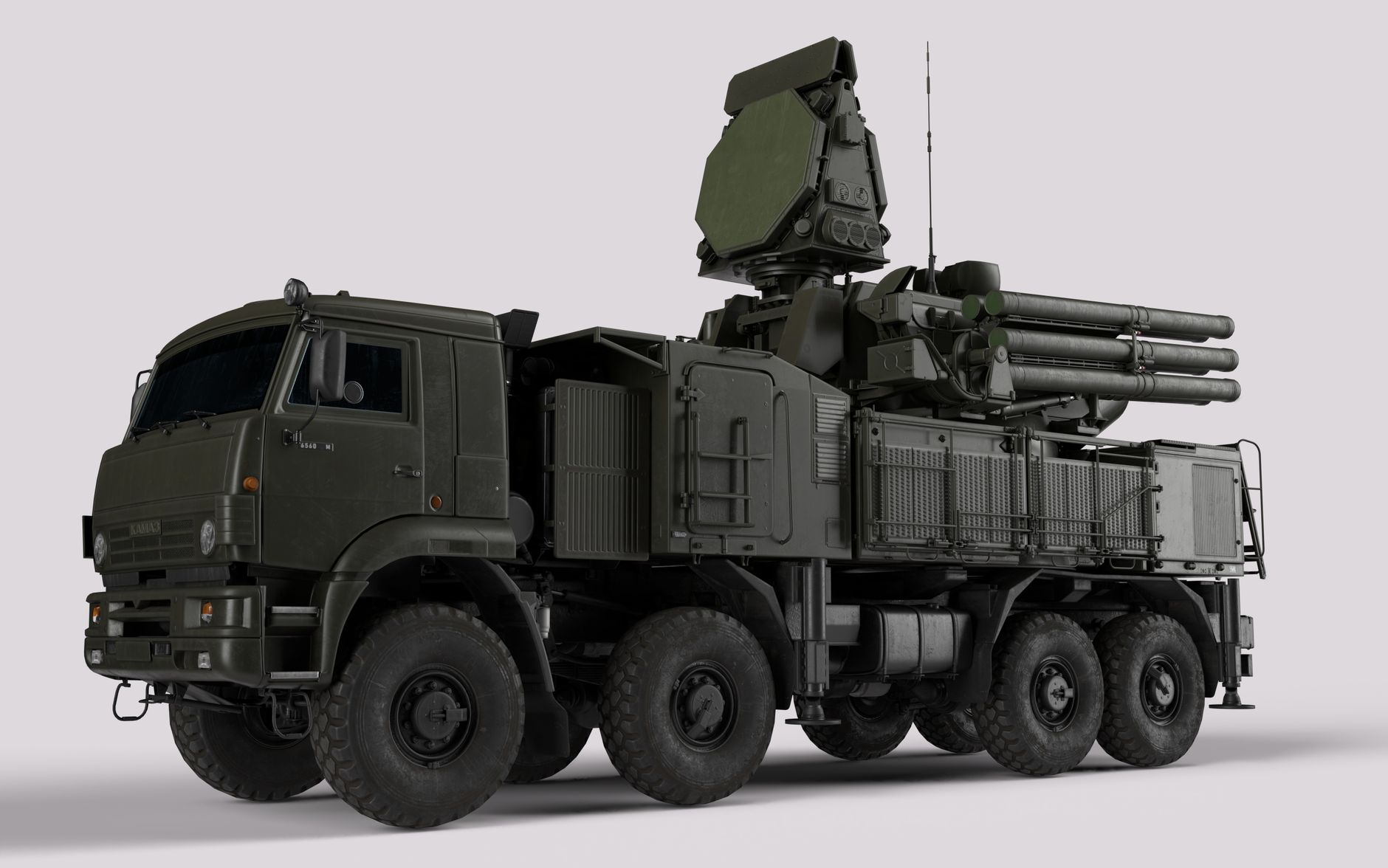
Scarcity is part of the missile’s psychological value. Because Russia has used Oreshnik so rarely, every mention of it lands as escalation by definition. That makes it a useful tool for coercive signalling whether or not it delivers decisive military effect. Reporting from the Financial Times on the overnight assault and earlier retaliatory strikes between Moscow and Kyiv points to a conflict in which each side is trying to show that the other cannot impose pain without receiving a sharper answer. Oreshnik fits that script. It remains a way to say the ceiling can still rise.
Previous use near NATO territory matters more than the raw launch count too. The January strike near Lviv showed how a weapon aimed at Ukraine can double as a message to the alliance supporting it. The military value may be local. The political audience is wider. If Russia uses Oreshnik again after Putin’s public retaliation vow, the launch will be read as a calibration choice rather than just another entry in the strike log.
A test for NATO-backed defences
For NATO governments and European capitals, the immediate problem is calibration. Zelenskiy’s warning asks partners to treat possible Oreshnik use as a live planning issue rather than a distant weapons-system debate. That means more than public statements. It means deciding whether the intelligence picture justifies additional air-defence support, harder private warnings to Moscow or both.

Andriy Sybiha, Ukraine’s foreign minister, used that language in remarks carried by the Financial Times, directing the message outward as much as inward:
“You have the leverage. Use it now. Warn Moscow of the cost it will have to pay.”
— Andriy Sybiha
For policymakers, the issue is decision time rather than the missile alone. The Guardian’s reporting on recent retaliatory strikes and the FT’s account of Kyiv’s latest bombardment describe an air war in which alert cycles are tightening and the line between demonstrative escalation and operational escalation is getting harder to read in real time. If Moscow keeps its options deliberately ambiguous, allied capitals must decide how much risk they are willing to absorb before responding with more materiel, more warnings or more visible contingency planning.
A conclusion is already visible. Oreshnik may be overhyped as a war-winning weapon, but it does not have to win wars to work. It only has to strain defensive resources, compress political reaction time and remind European planners that some of the hardest problems in this war begin before interception, at the stage of attribution and warning. That is the capability test hidden inside Putin’s retaliation threat.
What Moscow gains either way
Moscow gains even without a launch in the coming days. Kyiv has had to warn civilians, commanders and partners that an unusual strike option may be in play. Allies have had to think about a missile previously used only twice. Newsrooms and markets have treated the possibility as its own event. For the Kremlin, that is a return on signalling before any launch report is confirmed.
If Russia fires, the message reaches beyond Ukraine’s front lines. It would show that Putin is willing to answer a politically embarrassing strike with a weapon chosen for symbolism as much as destruction. If no missile is fired, the episode still shows how the Kremlin can use a rare system to force faster decisions in Kyiv and in the capitals backing it. Either way, the Oreshnik warning has turned a retaliation story into a test of how much escalation pressure Ukraine and its allies can absorb before the next launch, or the next threat, arrives.

Anya Voronova
Eastern Europe correspondent covering the war in Ukraine, Russia and the Caucasus. Reports from Warsaw.