Japan Tomahawk delays show US strain from Iran war
Japan Tomahawk delays show how the Iran war is draining US missile stocks, testing alliance credibility in Asia and pushing Tokyo to diversify.
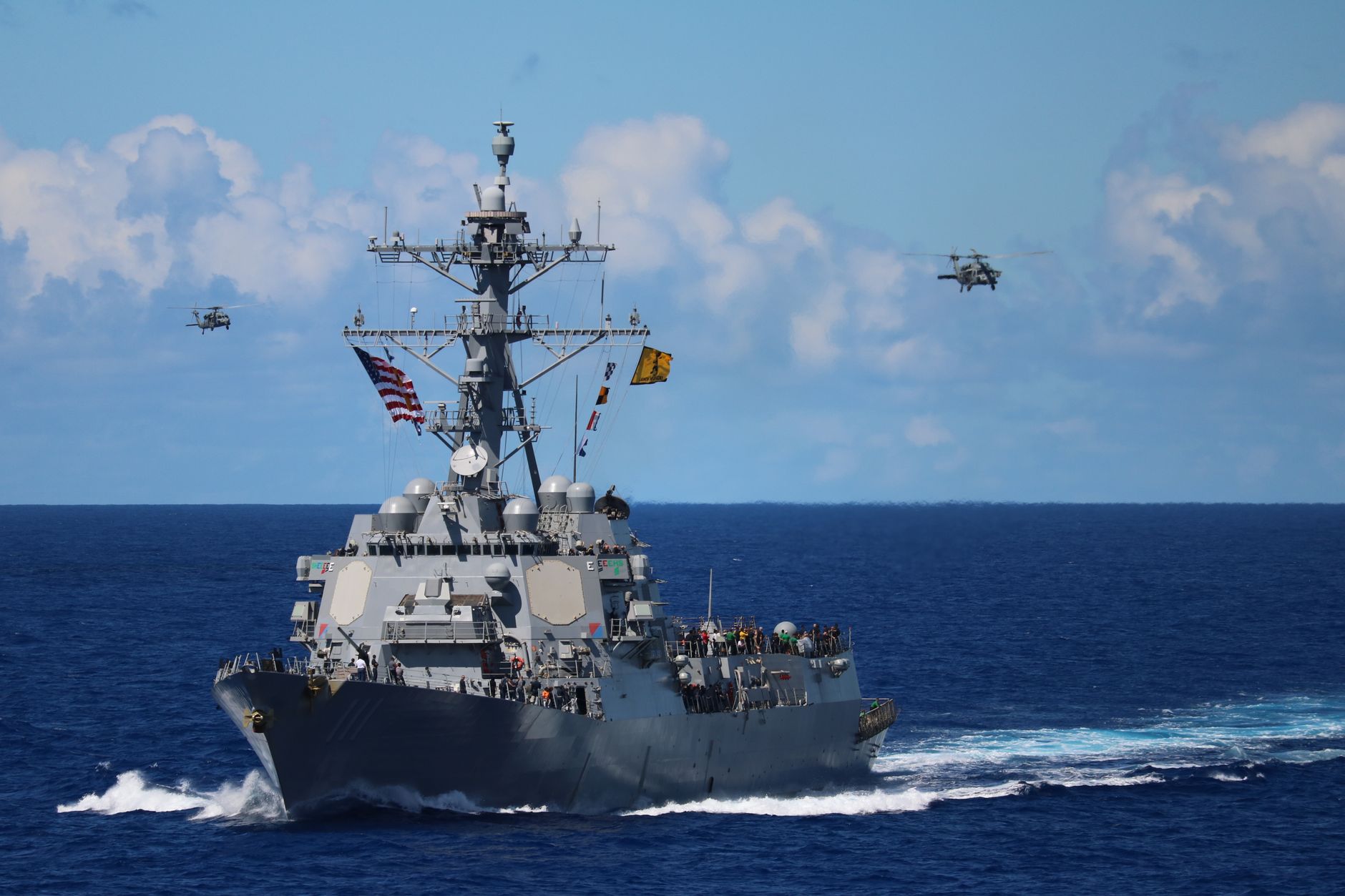
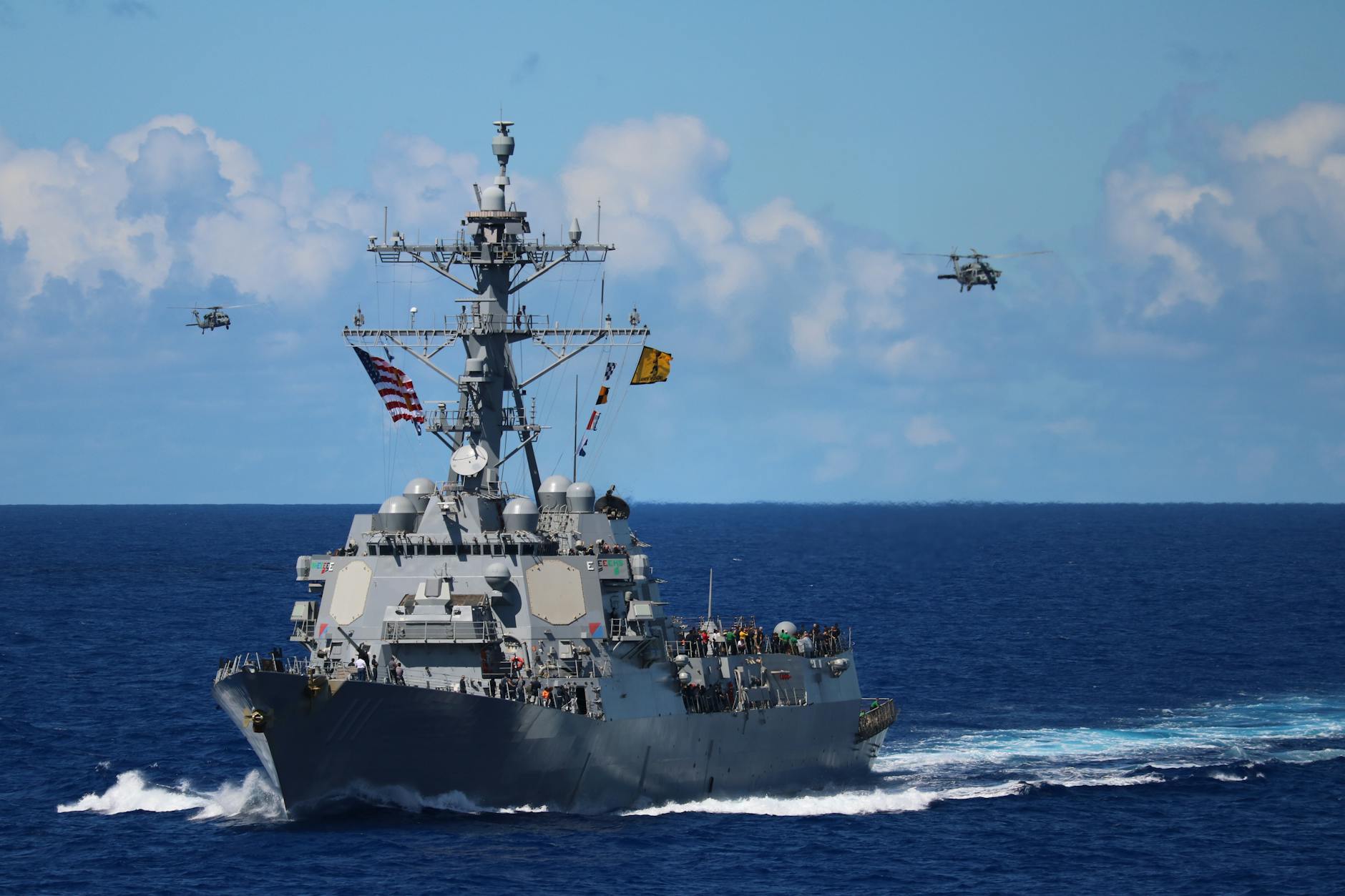
The Pentagon has warned Japan that 400 Tomahawk missiles it ordered last year for $2.35bn may arrive as much as two years late, because the Iran war has consumed weapons Washington now needs in the Middle East. For Tokyo, which bought the 1,600km-range missiles as the fastest route to a counterstrike option against regional threats, the delay turns a procurement timetable into a test of whether the US can arm Asia while fighting elsewhere.
Beyond the contract, this is one of the clearest cases yet in which Middle East combat has started to displace Indo-Pacific planning. The administration has kept saying Asia remains the priority theatre, but delivery schedules now suggest that promise has limits when inventories come under pressure. Japan is the most immediate ally affected. Taiwan may not be far behind: the Guardian reported this week that some US arms sales to Taipei are also on pause while the Pentagon protects stocks for what acting navy chief Hung Cao called “Epic Fury”, the Iran campaign.
For Tokyo, the concern is practical before it is political. The Tomahawk buy was meant to give the Self-Defense Forces a near-term strike weapon while Tokyo works on domestic systems such as an upgraded Type 12 and the Hyper Velocity Gliding Projectile. Bloomberg first reported in April that the delivery calendar was slipping because US use of the missile in Iran had begun to bite into inventory. The fresh warning reported by the Financial Times suggests the squeeze is deeper than a routine backlog and that Washington still cannot tell allies when production will catch up.
As the Financial Times reported, Zack Cooper, an Asia security expert at the American Enterprise Institute, argued that the Pentagon’s theatre priorities are now visible in delivery schedules as well as speeches.
“Despite repeated promises from top administration officials that they would prioritise Asia, the Pentagon is now giving precedence to the Middle East.”
— Zack Cooper, American Institute
Seen from Tokyo, that user-affected perspective looks different from the one often heard in Washington. In the Pentagon’s telling, a delay is a temporary logistics problem. For an ally building a deterrent around a promised weapon, it looks like operational risk imported from a war it did not choose. Japan has spent the past year folding long-range strike into its defence planning and, as Axios reported during Pacific drills this month, showcasing Tomahawk-related exercises as part of a broader signal to China.
Those drills matter because they were meant to show range, interoperability and readiness. A slippage in the Tomahawk calendar does not erase that message, but it does weaken it. When the live bottleneck is ammunition rather than doctrine, allies and adversaries alike learn more from the supply chain than from the exercise script.
Stocks under strain
The analyst view is blunter: this is what inventory depletion looks like once it leaves the battlefield and enters alliance management. The Washington Post reported this month that a US intelligence assessment found China had gained an edge from the Iran conflict as Washington burned through munitions and attention. The paper cited a prewar Tomahawk inventory of about 3,100 missiles, with more than 1,000 used in the Iran campaign. Even without a formal shortage announcement, those figures help explain why Japan is being told to wait and why the Pentagon has offered no public rebuild schedule beyond the possibility of a two-year slip.

In remarks reported by the Guardian, Cao underscored that the pause is deliberate rather than accidental.
“Right now we’re doing a pause in order to make sure we have the munitions we need for Epic Fury [the Iran war] – which we have plenty.”
— Hung Cao, acting US navy chief
Still, that quote only partly answers the analyst’s main question about rebuild speed. Washington’s immediate answer is not that factories have restored depth, but that the Pentagon is conserving what remains for current operations. The more reassuring claim is the second half, that it still has “plenty”. Yet procurement pauses are usually imposed precisely because “plenty” is not a standard planners want to test against a second contingency.
Tokyo’s policy response is therefore likely to accelerate, not slow. The Financial Times said Japan is already treating domestic missiles as the long-term answer, and a Japan Times analysis argued that the Iran war has reinforced the case for a more self-reliant Indo-Pacific posture. That does not mean Japan can replace the Tomahawk overnight. It does mean the delay becomes a catalyst for diversification: more pressure on local missile production, more urgency around deployment schedules and more interest in reducing dependence on a single US supply line that can be reprioritised by a war 5,000 miles away.
Another lesson is industrial. The United States still sells its alliances partly on surge capacity: the assumption that, when pressure rises, Washington can supply the weapons, ships and interceptors its partners need. A delay on a signature cruise missile order cuts against that claim. It tells allies that the constraint is not only political will, but also magazine depth and production tempo. Those are harder problems to reassure away with summit language.
The Asia signal
Beijing does not need to win a shooting war to benefit from this picture; it only needs to watch it. The Washington Post’s intelligence-report story framed the Iran war as an opening for China because it exposes how difficult it may be for the United States to sustain two high-intensity commitments at once. The Council on Foreign Relations argued that the lessons China is drawing are as much about logistics and endurance as about tactics. From that angle, the Tomahawk delay is not a procurement footnote. It is evidence, in calendar form, of multi-theatre strain.

In comments cited by the Financial Times, Kenji Minemura, a senior fellow at the Canon Institute for Global Studies, captured the deterrence problem for Tokyo.
“A delay in US deliveries of Tomahawks … will almost inevitably erode the joint US-Japan deterrent against China still further.”
— Kenji Minemura, Canon Institute for Global Studies
Even so, that may overstate the immediate military effect. Japan’s alliance with the United States does not rise or fall on one delivery schedule, and Beijing will know that Tokyo is still expanding its own strike options. But Minemura’s broader point is harder to dismiss. Deterrence is built partly on capability, partly on timing and partly on the confidence that promised systems will be available when pressure peaks. Once allies start pricing in delay as normal, the political value of future US commitments weakens even before any crisis begins.
Washington can still limit that damage, but only if it treats the Japan warning as more than a bilateral scheduling dispute. One track is industrial: faster procurement, clearer public production targets and a timetable for rebuilding inventories depleted by Iran. The other is strategic: honest signalling to allies about what the US can deliver, and when, if Middle East operations continue to pull on the same missile pool needed for Asia. The next test is whether the Pentagon gives Japan a revised schedule that looks like a recovery plan rather than an open-ended wait. Without that clarity, every postponed shipment will invite the same conclusion across the Indo-Pacific that Tokyo is now being forced to confront: when Washington says Asia comes first, the delivery calendar may say otherwise.

Theo Larkin
Defense correspondent covering US military operations, weapons procurement and the Pentagon. Reports from Washington.