Hegseth targets Kelly as alarm grows over US missile stockpiles
Defense Secretary Pete Hegseth has threatened a Pentagon legal review of Senator Mark Kelly after the Arizona Democrat disclosed concerns about US munitions depletion in the Iran conflict, a move national security experts called a diversion from the substance of the stockpile problem.

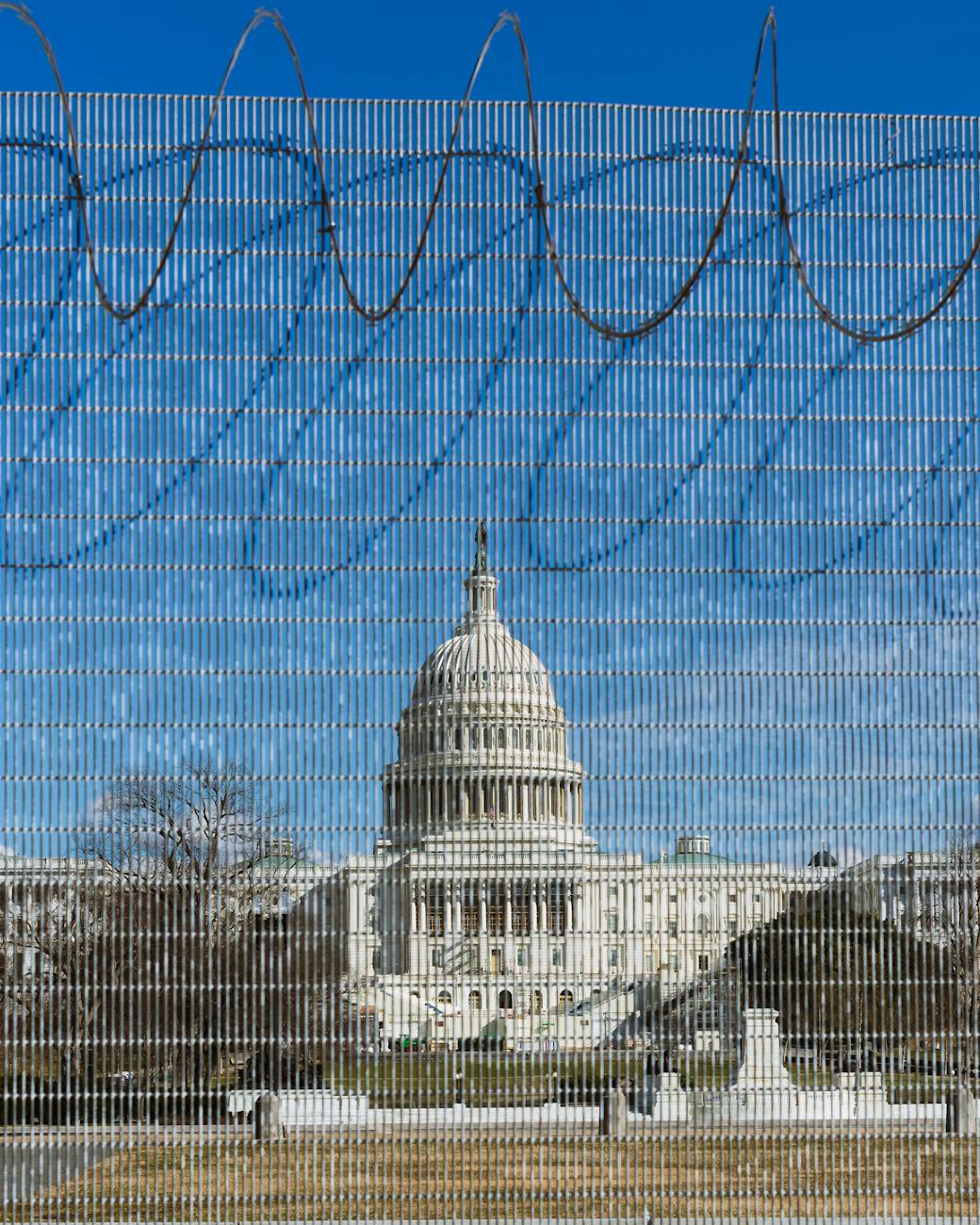
WASHINGTON — Defense Secretary Pete Hegseth has threatened to refer Senator Mark Kelly to the Pentagon’s legal office for a potential classified-information review, accusing the Arizona Democrat of disclosing sensitive stockpile figures during a television interview. The move escalates a feud that national security analysts say avoids a more urgent question: whether the United States is burning through its precision-guided arsenal in the Iran conflict faster than it can rebuild.
Kelly, a retired Navy pilot and former NASA astronaut who serves on the Senate Armed Services Committee, told CBS that the rate of munitions expenditure in the seven-week-old Iran campaign was alarming and raised fundamental questions about the administration’s strategic planning.
“And the numbers are, I think it’s fair to say it’s shocking how deep we have gone into these magazines, because this president got our country into this without a strategic goal, without a plan, without a timeline, and because of that, we’ve expended a lot of munitions,” Kelly told CBS News.
Within hours, Hegseth fired back, stating the Pentagon would examine whether Kelly had crossed a legal line. But the senator pointed out that Hegseth himself had cited comparable stockpile data in open Senate testimony weeks earlier — a rejoinder that national security law specialists found difficult to dismiss.
“Show me what classified information that he revealed. Show me. Show me something that wasn’t already in the public arena. There isn’t anything there,” said Rachel E. VanLandingham, a former Air Force judge advocate and national security law professor at Southwestern Law School, in an interview with The Hill.
The numbers behind the dispute
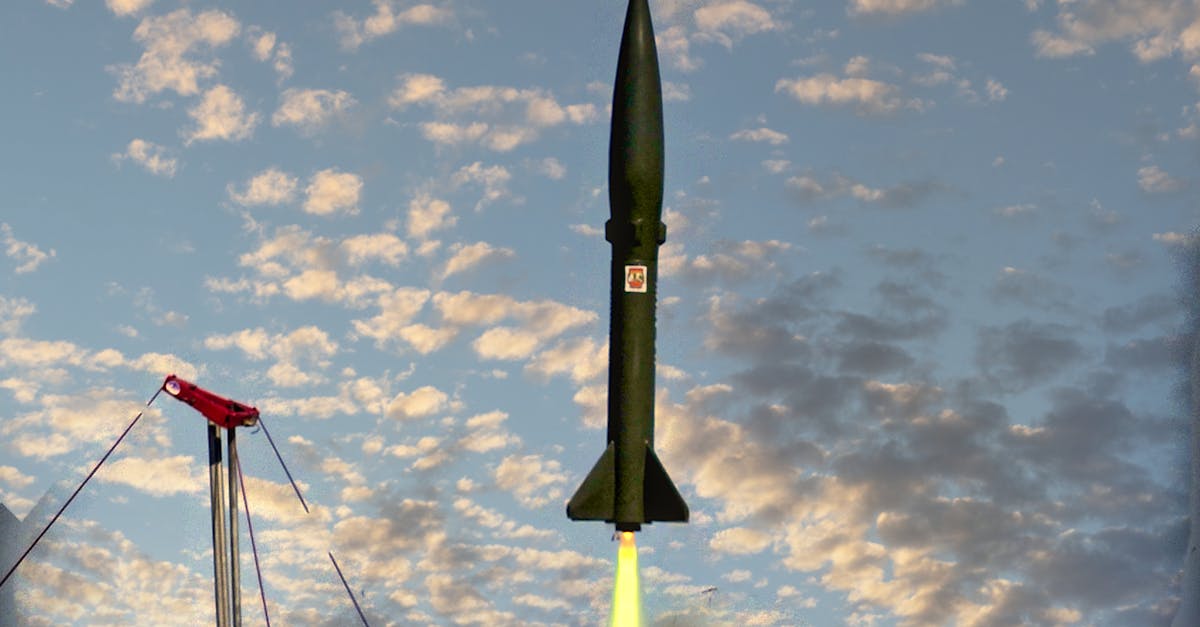
The stockpile figures at the center of the argument are documented in public reporting. In the opening month of hostilities, U.S. forces fired more than 850 Tomahawk cruise missiles — a pace CBS News reported outstripped the Pentagon’s ability to replenish its magazines. CNN separately reported that roughly 45 percent of the Precision Strike Missile inventory and half of the THAAD interceptor stockpile were depleted within the first seven weeks of operations.
The Precision Strike Missile, or PrSM, is the Army’s next-generation surface-to-surface weapon, designed to replace the aging ATACMS system. Losing nearly half the inventory in under two months leaves ground commanders with a thinner magazine than any combatant command anticipated when the system entered service. The THAAD interceptors, meanwhile, are the backbone of the U.S. ballistic missile defense posture in both the Middle East and the Pacific — a finite pool of roughly 800 rounds that cannot be surged without drawing down protection elsewhere.
Replacing those systems will require years, not months. At current production rates, the 850 to 1,000 Tomahawks expended would take between two and three years to replace, according to Defense News. The Pentagon has moved to expand annual Tomahawk production to roughly 1,000 missiles per year under new manufacturing agreements — a substantial increase that nevertheless leaves a multi-year gap between what was fired and what can be built. PrSM and THAAD production lines face similar constraints: both rely on specialized solid-rocket-motor suppliers whose capacity was sized for peacetime attrition, not wartime expenditure.
Experts see a distraction
Michael Rubin, a senior fellow at the American Enterprise Institute and former Pentagon official, argued the classification dispute was a tactical diversion from the real issue.
“Let’s put aside that the general thrust of munition depletion is not classified, and Kelly did not go near the details,” Rubin told The Hill. “For Hegseth to bicker over classification rather than address the core argument Kelly makes suggests Hegseth simply can’t argue on the facts.”
Mark Cancian, a retired Marine Corps colonel and senior analyst at the Center for Strategic and International Studies, has flagged in recent assessments that the drawdown carries implications beyond the Iran theater. Pentagon planning scenarios for a potential Pacific conflict assume deep missile inventories, and every Tomahawk fired at an Iranian target is one fewer available for a contingency in the Taiwan Strait.
The combined demand from the Iran campaign and concurrent U.S. weapons transfers to Israel has exposed production-line vulnerabilities that defense planners spent years cataloguing in budget submissions. The Government Accountability Office warned as recently as 2024 that the industrial base for precision munitions was not sized for a protracted high-intensity conflict — a finding that the current expenditure rates have validated in real time.
Kelly’s intervention — and Hegseth’s combative response — has moved what was once a quiet Pentagon spreadsheet problem into the center of a public political fight.
For now, the Pentagon’s expanded production agreements offer a path toward restocking, but even at full capacity, the gap will not close before 2029. And for every month the Iran campaign grinds on, the deficit widens.

Theo Larkin
Defense correspondent covering US military operations, weapons procurement and the Pentagon. Reports from Washington.