Hegseth faces bipartisan fire over $29bn Iran war cost as Congress demands exit plan
Defense Secretary Pete Hegseth faced a bipartisan grilling in back-to-back House and Senate Appropriations hearings as the Pentagon disclosed the cost of the 11-week Iran war had climbed to $29 billion with no clear end game.
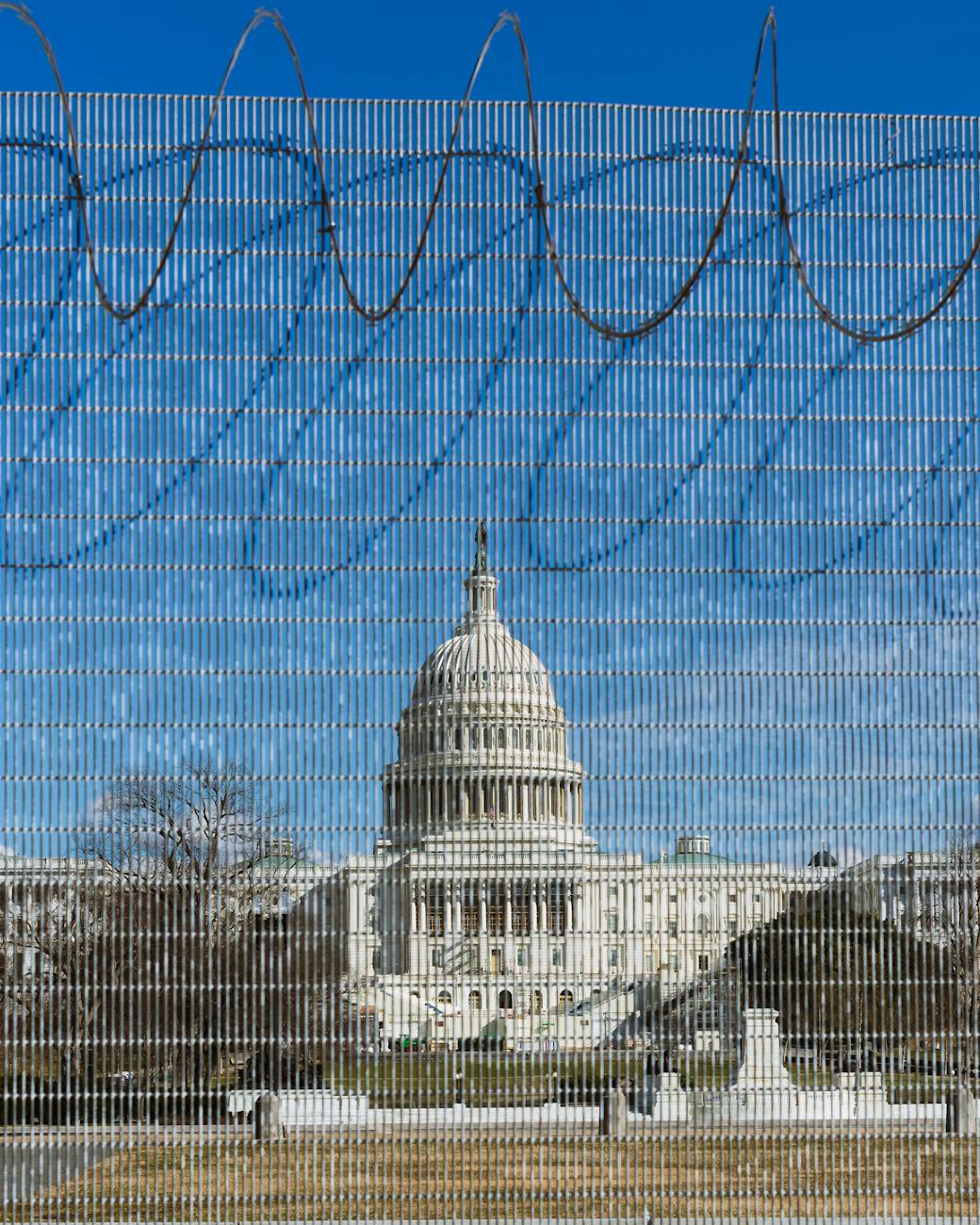
WASHINGTON. Defense Secretary Pete Hegseth took fire from both parties in back-to-back House and Senate Appropriations hearings on Tuesday, as the Pentagon told lawmakers the 11-week Iran war had now cost $29 billion with no end game in sight.
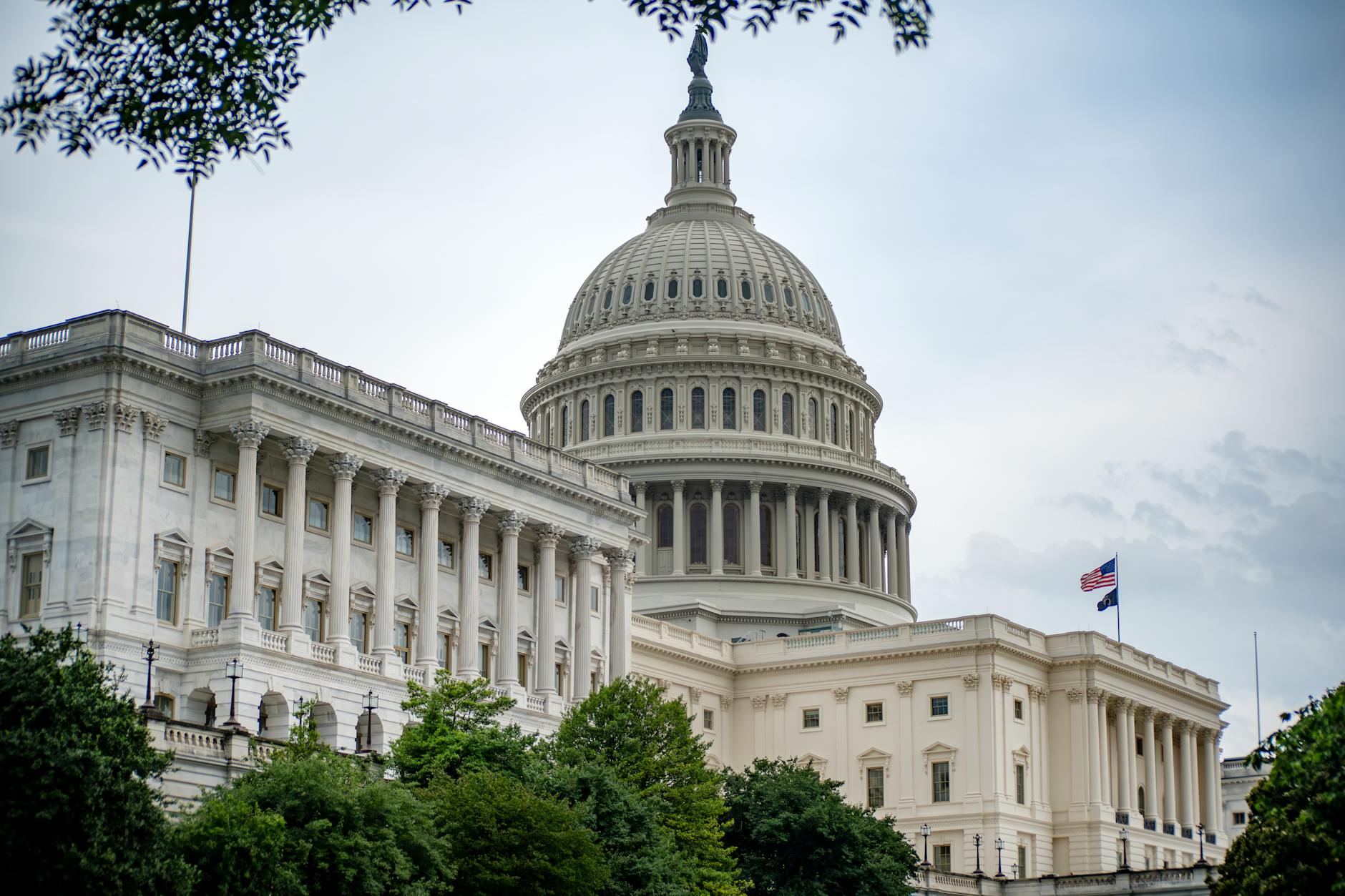
The sessions stretched across most of 12 May and amounted to the sharpest congressional pushback yet on the Trump administration’s conduct of the war. Members on both sides asked for a line-by-line accounting of the spending and a clearer account of how the president intends to end the fight.
Senator Patty Murray, the Washington Democrat and ranking member on Senate Appropriations, delivered one of the day’s hardest rebukes.
“You’re spending families’ hard-earned tax dollars on a war that many strongly oppose, and you’re forcing people to pay more at the pump,” Murray told Hegseth. “And yet you’re not even providing a real breakdown for the cost of this war.”
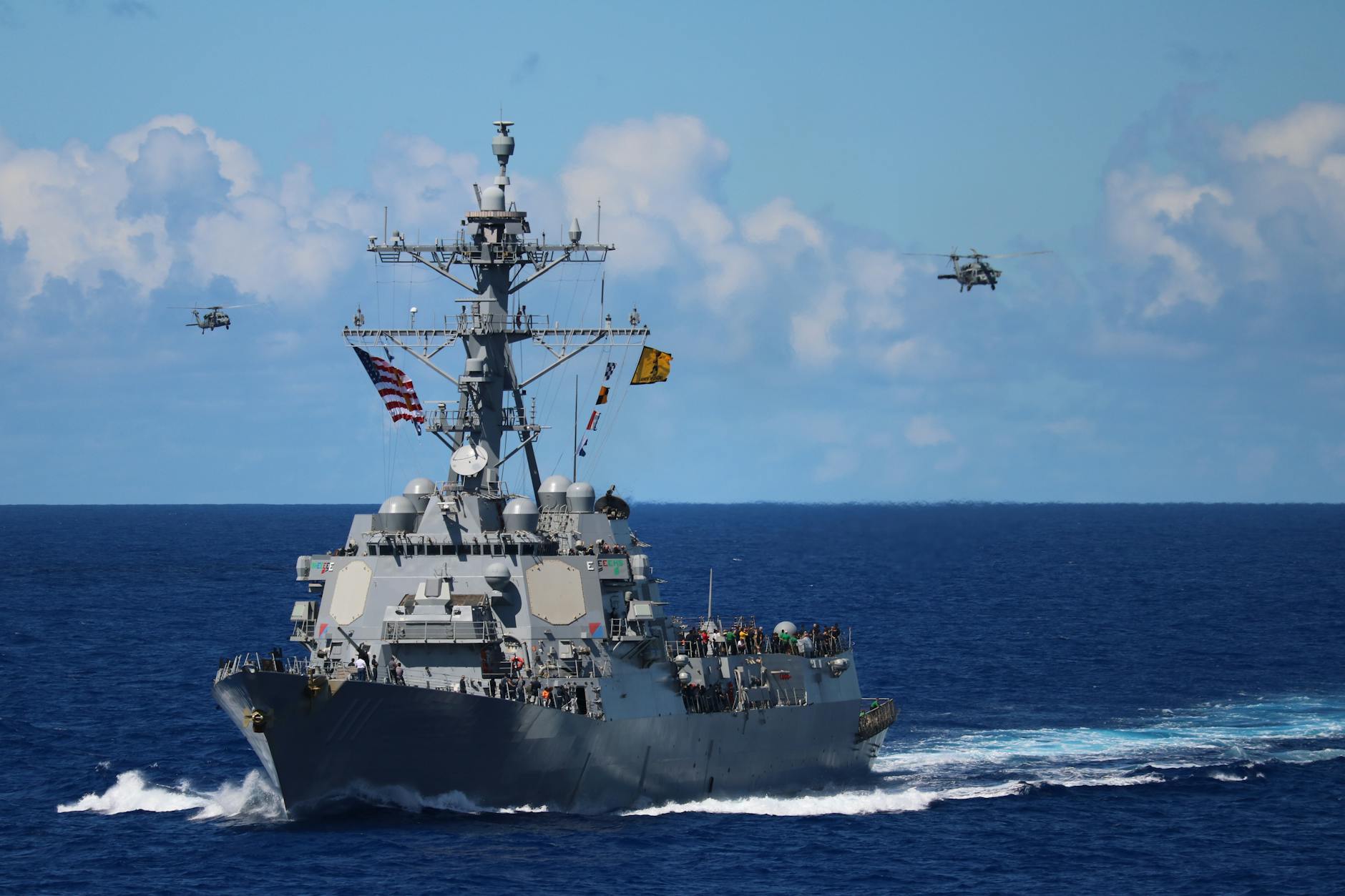
The $29 billion figure is up from $25 billion only two weeks ago. About $24 billion of that is tied to replacing munitions and repairing equipment, according to numbers the Pentagon gave lawmakers. The closed Strait of Hormuz has piled on the pressure, lifting global oil prices and snarling tanker traffic through one of the world’s busiest energy chokepoints.
Hegseth pushed back on suggestions that US munitions stockpiles had been drawn down to dangerously low levels.
“I take issue with the characterization that munitions are depleted in a public forum. That’s not true,” Hegseth said.
Republican members, who have mostly backed the administration’s prosecution of the war, also pressed Hegseth on its scope and length. The fight, now in its 11th week, has burned through precision munitions at a pace defense analysts describe as among the highest since the 2003 invasion of Iraq.
Several GOP members of the House Appropriations defense subcommittee asked pointed questions about the 2027 budget’s underlying assumptions, including how long the administration expects major combat operations to run and at what monthly cost. The pushback from the president’s own party, though couched in procedural language, was unmistakable.
The hearings came as the White House asks Congress to approve a $1.5 trillion Pentagon budget for fiscal year 2027, with $350 billion of that routed through the budget reconciliation process, according to testimony and documents reviewed by The Hill.
Gen. Dan Caine, the chairman of the Joint Chiefs of Staff, sat alongside Hegseth through the marathon session. Jules Hurst III, the acting Pentagon comptroller, took detailed questions on cost projections that several lawmakers called insufficiently granular for a conflict of this scale.
Asked how the war ends, Hegseth offered three options without committing to any of them.
“We have a plan to escalate, if necessary. We have a plan to retrograde, if necessary. We have a plan to shift assets,” he said.
That open-ended framing did not satisfy lawmakers in either chamber. Members from both parties said they want a clearer end-game document before approving any supplemental war funding.
The Pentagon has so far declined to publish a category-by-category breakdown of war costs covering operations, munitions replacement, equipment repair, and support for regional partners. Defense News reported that the $29 billion figure has risen by roughly $4 billion in a fortnight, a pace that would push total costs past $50 billion by late summer if sustained.
The cost pressure
The $24 billion in munitions and equipment costs is the largest single piece of the spending surge. Ship- and air-launched precision weapons have been fired at volumes that have prompted internal Pentagon discussion about accelerating production lines that were already strained before the conflict began.
The administration’s $1.5 trillion Pentagon request for FY2027 would, adjusted for inflation, sit among the largest US defense budgets ever. The $350 billion reconciliation portion has drawn particular scrutiny from fiscal conservatives, who have questioned whether the White House is using the war to skirt normal congressional appropriations discipline.
Oil markets have absorbed the Strait of Hormuz closure with sustained volatility. Brent crude touched $112 a barrel in intraday trading last week. Pump prices in several US states have risen above $4.50 a gallon, a point Murray cited directly in her questioning.
What happens next
House and Senate appropriators are expected to mark up the Pentagon’s funding request in the coming weeks. Several committee chairs signalled they would attach conditions requiring the administration to submit a classified strategy document detailing the end game before any supplemental war funding is released.
The hearings adjourned without resolution. Hegseth is expected back on Capitol Hill later this month for a closed-door briefing with the Senate Armed Services Committee.

Theo Larkin
Defense correspondent covering US military operations, weapons procurement and the Pentagon. Reports from Washington.