Trump turns immigration crackdown on the legal system
Legal immigration crackdown widens as Trump pushes green-card applicants abroad and speeds efforts to strip some naturalized Americans of citizenship.
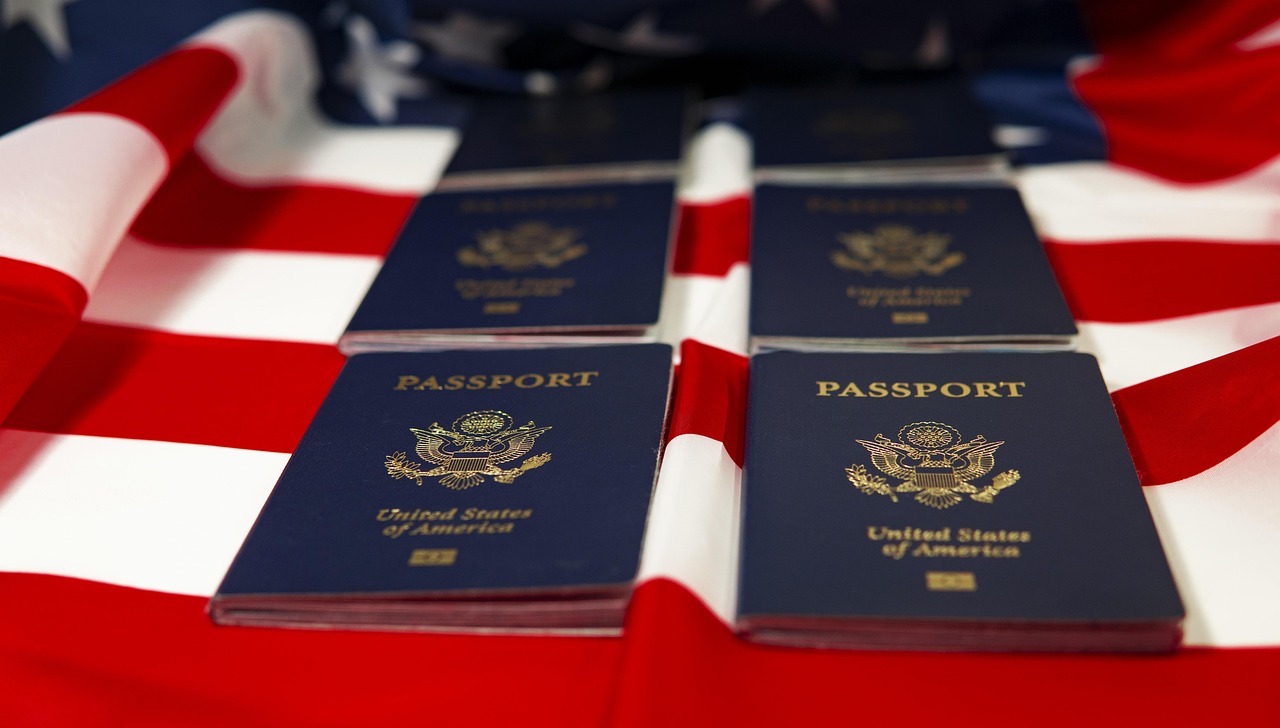
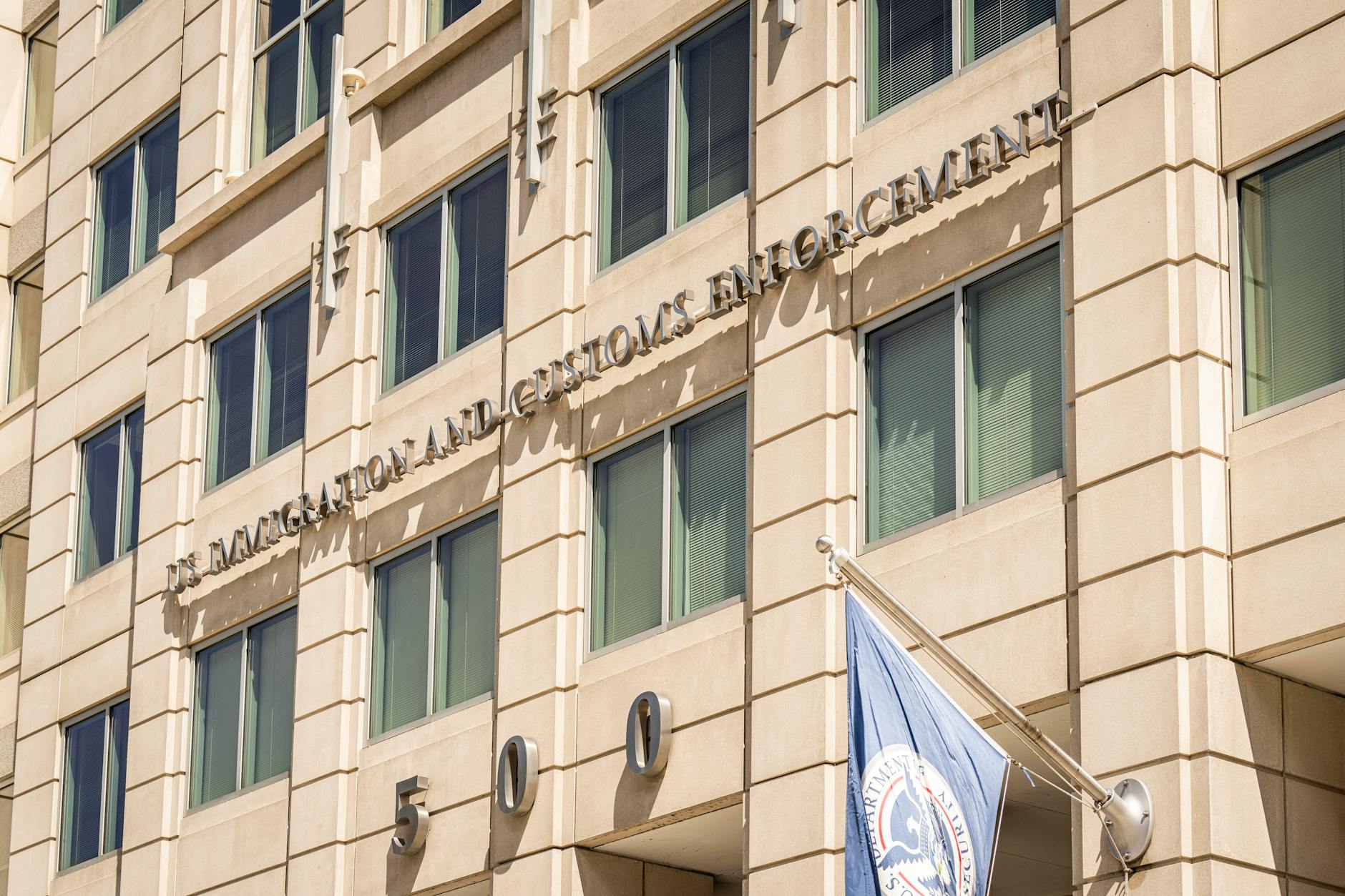
After spending much of his second term tightening the border and expanding deportation powers, President Donald Trump is pushing deeper into the machinery of legal immigration. A new USCIS directive says most foreigners already in the United States will have to leave and apply from abroad if they want permanent residency, while Axios reported that administration officials are also shifting lawyers to speed efforts to strip citizenship from some naturalized Americans. The combination matters because it moves the pressure point from unlawful entry to the legal system itself: green-card processing, lawful residence and even finalized citizenship are now being treated as areas for enforcement.
The administration has framed the change as a return to the statute rather than a new restriction. But the practical effect is likely to fall on people who had counted on an established route inside the country, spouses of U.S. citizens, temporary workers, students and other migrants who have built lives around the assumption that status adjustment could happen without a forced exit. The New York Times reported that the White House is taking a politically riskier step by tightening pathways that even many restriction-minded voters tend to see as lawful and orderly.
The move also fits a second-term pattern. Congress has not rewritten immigration law, so the administration is leaning on discretion, processing rules and eligibility interpretations instead. That route is slower than legislation, but it can still alter outcomes at scale if enough cases are delayed, rerouted or abandoned.
A legal route made discretionary
For years, adjustment of status was one of the clearest legal channels in the system. Someone in the country on another lawful basis could often move toward a green card without leaving. Now USCIS says that route will exist only in “extraordinary circumstances,” turning what many immigrants and employers treated as a routine pathway into a discretionary exception.

From now on, an alien who is in the U.S. temporarily and wants a Green Card must return to their home country to apply, except in extraordinary circumstances.
— Zach Kahler, USCIS
In practice, that sentence is not just bureaucratic housekeeping. CBS News reported that roughly 500,000 green cards a year are processed through adjustment of status, citing former USCIS official Doug Rand. Moving those cases overseas sends applicants into consular queues, travel costs and visa rules that can be harder to predict and harder to challenge.
Business groups and immigration lawyers are not reacting as if this were a narrow paperwork change. In an original-analysis piece from Business Insider based on reactions from lawyers and advocates, David Bier of the Cato Institute said some people forced to leave could trigger three-year or 10-year bars on returning. That turns departure from a clerical step into a legal trap for applicants whose problem was not unlawful entry, but the administration’s new reading of where the process must happen.
Forcing green card applicants to leave will render many green card applicants ineligible because … they will trigger the 3- or 10-year bars.
— David Bier, Cato Institute, quoted by Business Insider
Politically, the shift is different from a border-enforcement crackdown. A move against asylum or unauthorized crossings can be sold as a response to disorder at the frontier. A move against adjustment of status reaches people already inside the rules, or at least trying to stay inside them. It also touches employers who recruit abroad, universities that expect foreign graduates to stay, and American families who assumed marriage or long residence still led to a workable legal path.
Citizenship comes into view
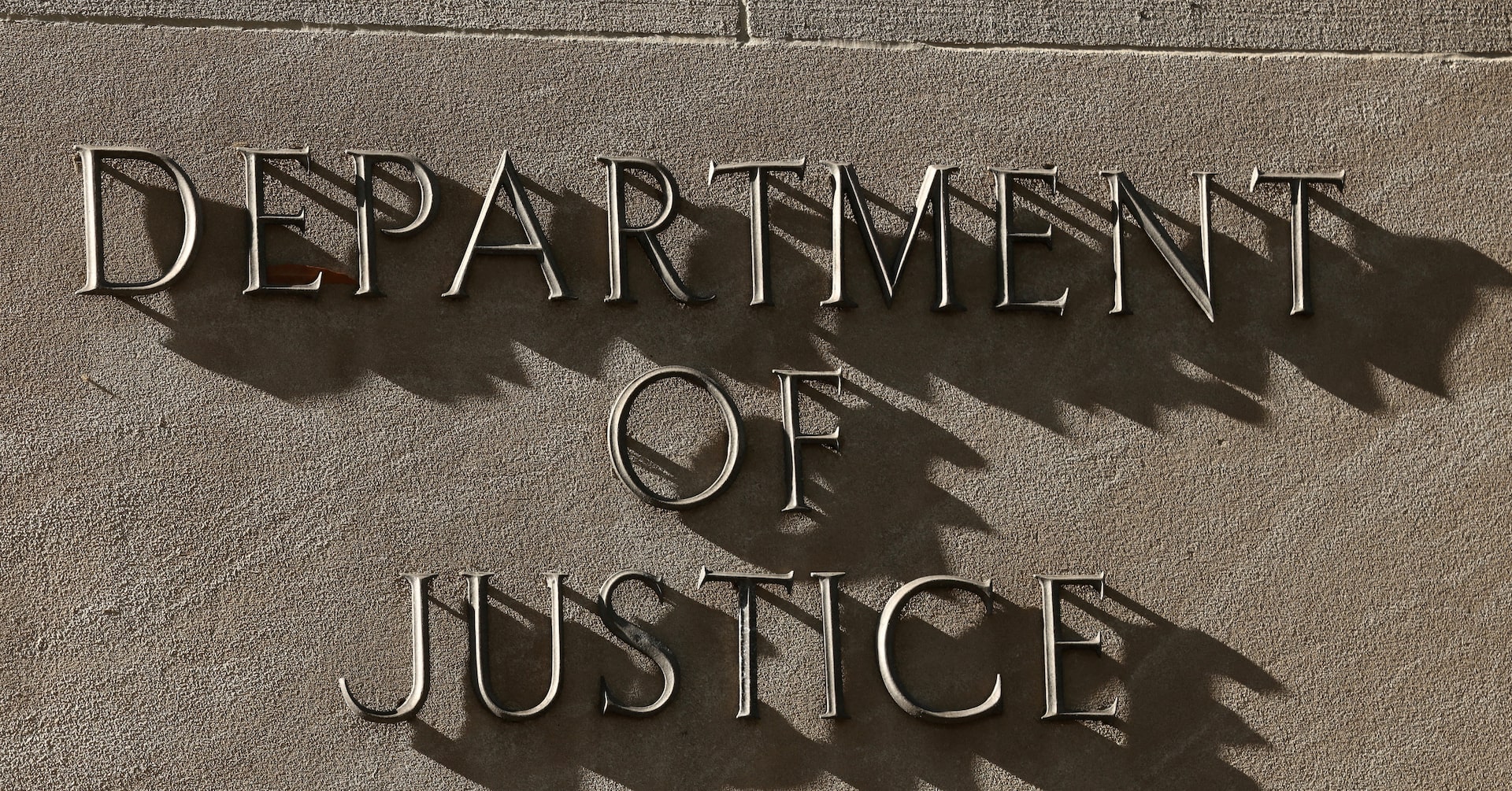
If the green-card order changes entry into permanent residence, the denaturalization push changes the status beyond it. Axios reported that USCIS lawyers are being temporarily moved to the Justice Department to help with denaturalization work, that 385 naturalized Americans were shortlisted for possible action, and that 35 cases have already been filed since the start of Trump’s second term.
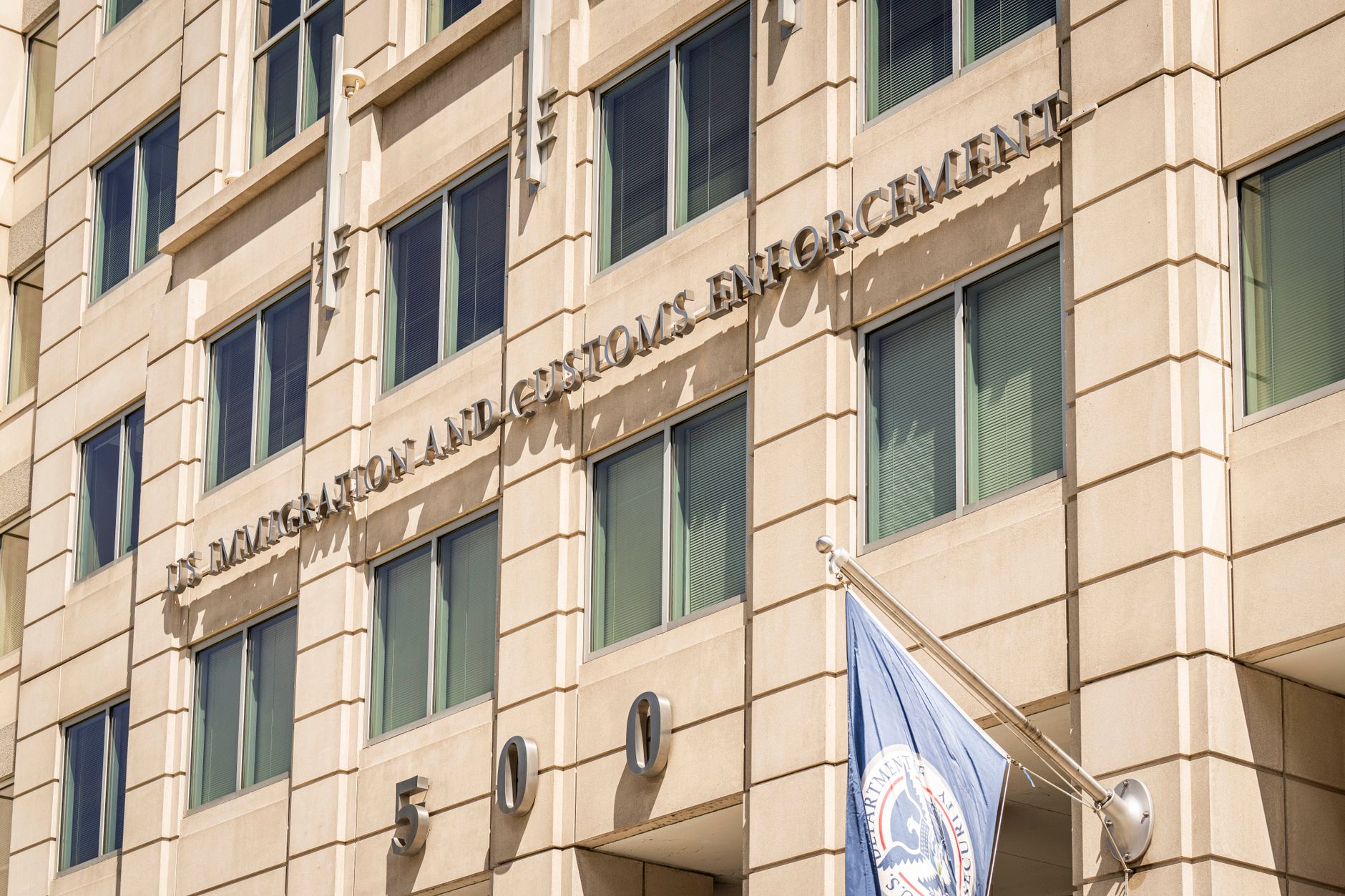
Numerically, the totals are still small beside the scale of the legal immigration system. Their significance is elsewhere. They signal that the administration is not treating citizenship as the fixed end point of the immigration story. It is treating it as something that can be revisited, scrutinized and, in selected cases, reversed.
More important, the change carries its own political message. The administration spent its first year telling voters that the central immigration problem was who got in. Now it is telling them that the problem can also be who was allowed to stay, who was allowed to naturalize and whether those decisions should be reopened. The target set is narrower, but the theory of enforcement is broader.
A Verge analysis last week argued that the White House was already moving toward a quieter campaign against legal immigration, one that drew less attention than border images but could reshape the system just as deeply. The new USCIS memo and the denaturalization staffing moves make that argument harder to dismiss as overstatement. They point to a government that is no longer focused only on physical crossings. It is testing how far executive power can reach into the paperwork, reviews and legal finality that hold the immigration system together.
The surrounding measures reinforce that picture. The Hill reported earlier this week that Trump had ordered banks to examine customers’ citizenship status more closely, another sign that immigration enforcement is being pushed into institutions that are not usually seen as front-line border actors. Even when the legal basis for each move differs, the pattern is similar: use administrative leverage to make citizenship and lawful presence more visible, more conditional and more contestable.
The courts still matter
For all that, the administration is not operating on open ground. Green-card applicants forced abroad can sue, and citizenship cases face a high evidentiary burden. Denaturalization has long been one of the most severe powers in immigration law because it does not just block a future benefit, it attempts to unwind one already granted. Courts have been reluctant to let that power become routine.
Seen another way, this looks more like a pressure campaign than a finished legal settlement. Some people will never risk leaving the country to test whether they can get back in. Some employers will avoid uncertain hires. Some families will delay applications. In that sense, the administration does not have to win every court case to change behavior. It only has to make the legal route look dangerous enough that fewer people use it.
Still, the harder the White House pushes into legal immigration, the more it risks moving the debate onto unfamiliar political terrain. Voters who support tougher border control do not necessarily want to hear that spouses, workers and long-settled residents should be sent abroad to complete paperwork. Business groups that tolerated border crackdowns may object more loudly when labor pipelines are disrupted. Republicans who were comfortable talking about unlawful entry may have a harder time defending policies that appear to narrow legal channels after the fact.
Taken together, the latest measures tell the larger story. Trump is not abandoning his border agenda. He is extending it. The border remains the symbol. The legal system is becoming the instrument.
Over the next few months, the key question will be less whether the White House can eliminate legal immigration outright, it cannot, than whether it can make lawful pathways so slow, uncertain and punitive that many applicants give up before a judge ever rules. That is a different kind of immigration politics. It is quieter than mass raids and less visible than a wall. It may also prove more durable, because it works through forms, queues and legal risk rather than spectacle alone.

Ramona Castellanos
US politics correspondent covering Congress, primaries and the Trump administration. Reports from Washington.