Graham and Wicker attack reported Trump-Iran ceasefire terms
Lindsey Graham and Roger Wicker are warning Donald Trump against a reported 60-day Iran ceasefire, adding fresh Republican pressure as the White House weighs a deal.
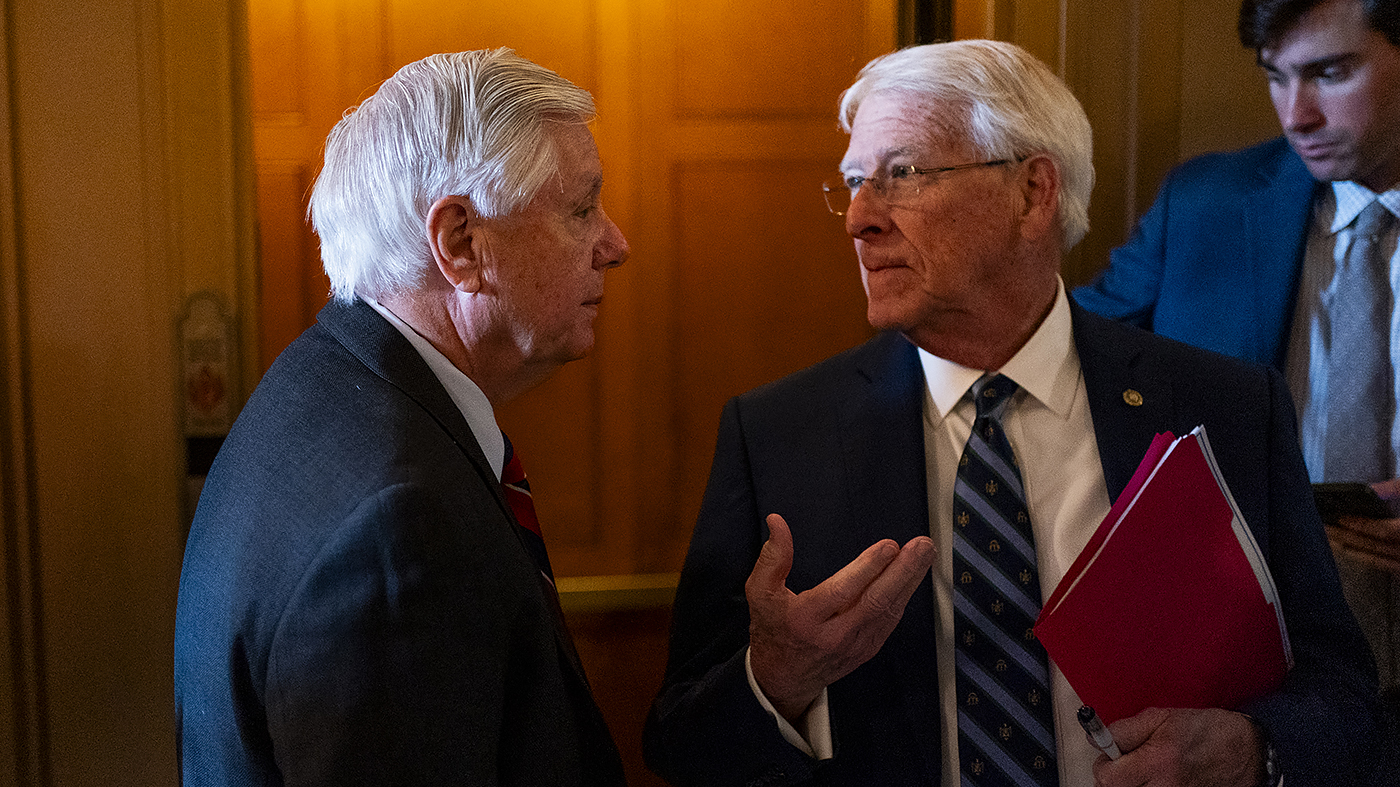
Two senior Senate Republicans publicly pushed back on President Donald Trump’s emerging Iran diplomacy on Saturday, denouncing reports of a 60-day ceasefire with Tehran as Trump said the odds of a deal versus renewed strikes were a “solid 50/50.” The Hill reported that Sen. Lindsey Graham of South Carolina and Sen. Roger Wicker of Mississippi argued that such a pause would undercut the campaign Trump began nearly three months ago.
The criticism adds a domestic political hurdle to the talks as the White House signals it could accept at least a temporary halt. Trump is weighing more than Tehran’s demands or the military picture. He is also facing pressure from Republican hawks who want any pause to look like a clear gain, not a stopgap.
Wicker, who chairs the Senate Armed Services Committee, delivered the bluntest public warning in a post on X.
“The rumored 60-day ceasefire … would be a disaster.”
— Roger Wicker, in a post on X
Wicker’s statement turned a developing policy debate into a direct warning from one of the party’s senior national security voices. He did not object to diplomacy itself. He said the terms under discussion would leave the military campaign looking incomplete.
Graham made a similar argument in Axios’s interview with Trump, saying, “Count me as a strong skeptic,” while Trump described the choice between a deal and fresh bombing as “solid 50/50.” For the White House, Graham and Wicker’s alignment matters because both have long pressed for a harder line on Iran. Their skepticism signals that Republicans will judge any pause not only by whether it stops the fighting, but by whether Trump can show enough for it.
Pressure on Trump
The criticism came as CNN reported that Iranian officials and a draft memo described a 30-60 day negotiating window, and as Trump said a broader agreement had largely been negotiated. That reporting sharpened the dispute over what a limited ceasefire would mean. Supporters could cast it as a bridge to a larger deal; critics could cast it as a delay before more fighting.
For Trump, the immediate problem is political as well as military. He told Axios he would meet envoys before deciding whether to accept a deal or resume strikes. Public opposition from Graham and Wicker raises the political cost of taking a bargain that hawks could describe as a retreat. Because both men speak from the party’s national security wing, their objections could also encourage other Republicans to demand tougher terms.
The Washington Examiner reported that the reported 60-day term had become the focal point for Republican objections as Trump’s decision window narrowed. The fight is not yet over a signed agreement. It is over what a pause would say about the war itself: whether it preserves room for more talks or gives up Washington’s bargaining position before it can point to a clearer outcome.
That helps explain why the story has shifted from a foreign-policy negotiation to a test inside Trump’s coalition. A ceasefire, even a temporary one, could lower immediate risks in the Gulf. It would also invite Republicans to ask what the United States achieved after weeks of war. The Hill’s account of the senators’ objections framed the issue in those terms, with both men arguing that a 60-day pause could make the campaign look unfinished.
No final decision had been announced by late Saturday, and the terms circulating in public were still partial. But Graham’s and Wicker’s intervention suggests that any Iran deal Trump presents will face two tests at once: whether Tehran accepts it and whether the president can sell it to hawkish Republicans who supported his use of force. Trump’s next meetings with envoys may show whether the White House treats that Senate pressure as a reason to toughen the terms or as political noise.

Ramona Castellanos
US politics correspondent covering Congress, primaries and the Trump administration. Reports from Washington.