Russian jets fly within metres of RAF plane over Black Sea
Russian jets flew within six metres of an RAF surveillance plane over the Black Sea, Britain said, warning the intercept risked escalation.
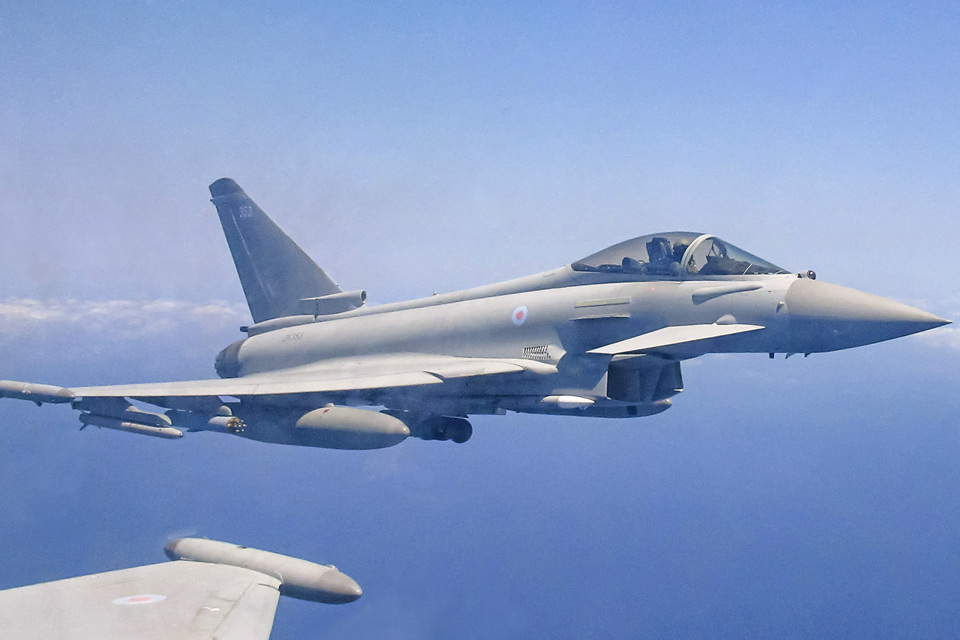
Britain said on Tuesday that two Russian fighter jets dangerously intercepted an unarmed Royal Air Force Rivet Joint surveillance aircraft over the Black Sea last month, with one warplane closing to within six metres of the British aircraft’s nose. The encounter showed how quickly a routine intelligence flight can tip toward confrontation between Russia and a NATO member.
Defence Secretary John Healey said the aircraft was in international airspace when Russian pilots made a series of close passes. The government opted to go public, he said, because the episode carried a serious risk of accident and escalation.
“This incident is another example of dangerous and unacceptable behaviour by Russian pilots, towards an unarmed aircraft operating in international airspace. These actions create a serious risk of accidents and potential escalation.”
— John Healey, UK defence secretary
One Russian Su-27 crossed in front of the Rivet Joint six times, according to the Ministry of Defence, while another passed within six metres of the nose. The British plane was unarmed and completed its patrol. London did not specify the date but said the encounter took place last month over the Black Sea, releasing handout images that it said showed the Russian jets flying close to the RAF aircraft.
Healey described it as the most serious such incident involving a British surveillance mission near Russian forces since 2022. By releasing the number of passes and the distance, London signalled it wanted allies and Moscow alike to treat the encounter as a warning about operating margins in crowded military airspace, not a technical matter between air forces.
Risk of miscalculation
NATO reconnaissance flights remain a regular feature around the alliance’s eastern flank as Russia’s war in Ukraine continues. They are designed to gather intelligence without crossing into direct hostilities, but they rest on an assumption that pilots on both sides will observe a set of unwritten limits. A close pass survivable in calm conditions can become something else if a crew misreads intent, weather shifts or an aircraft turns suddenly.
Britain did not announce any change to its flight patterns, and Reuters reported that Healey used the episode to reinforce London’s commitment to NATO operations. Russia has not publicly responded, leaving Britain’s account as the only detailed chronology available. The ministry’s statement, however, included unusual operational detail: the six passes and the six-metre approach, the kind of information governments often withhold after military encounters.
The Black Sea has long been one of the most sensitive zones for these contacts. It sits close to Russian military operations and to NATO states monitoring the war from nearby airspace and territory. For Western officials, the worry is not only deliberate intimidation but the way repeated aggressive intercepts compress decision time, in the cockpit and then in capitals, if an encounter ends in damage or a crash.
Healey said in the same statement the incident would not shift Britain’s posture on the alliance’s eastern flank.
“Let me be very clear: This incident will not deter the UK’s commitment to defend NATO, our allies and our interests from Russian aggression.”
— John Healey, UK defence secretary
For London, the calculus is straightforward: British crews will keep flying, and any future Russian intercept will be measured against a documented case in which the UK says its aircraft, operating in international airspace, was approached at dangerous range. For NATO, the episode is another data point in a pattern. The Black Sea airspace remains one of the places where miscalculation can travel fastest, even without a direct clash.

Theo Larkin
Defense correspondent covering US military operations, weapons procurement and the Pentagon. Reports from Washington.