Russia, Belarus stage nuclear drills as NATO tensions rise
Russia and Belarus held joint nuclear exercises on Thursday for the first time, a show of force as tensions with NATO escalate over the war in Ukraine.
Russia and Belarus held the final stage of joint strategic nuclear exercises on Thursday, the first time Belarus has participated as a full partner. More than 64,000 troops and 7,800 pieces of military equipment were deployed across both countries in the largest nuclear show of force the Kremlin has mounted since its full-scale invasion of Ukraine.
President Vladimir Putin and his Belarusian counterpart Alexander Lukashenko monitored the drills via videoconference from the Kremlin. It was the first time the two leaders have jointly overseen training of Russian and Belarusian forces on managing both strategic and tactical nuclear weapons.
“The use of nuclear weapons is an extreme and exceptional measure for ensuring the national security of our countries,” Putin said, according to a Kremlin transcript of the meeting.
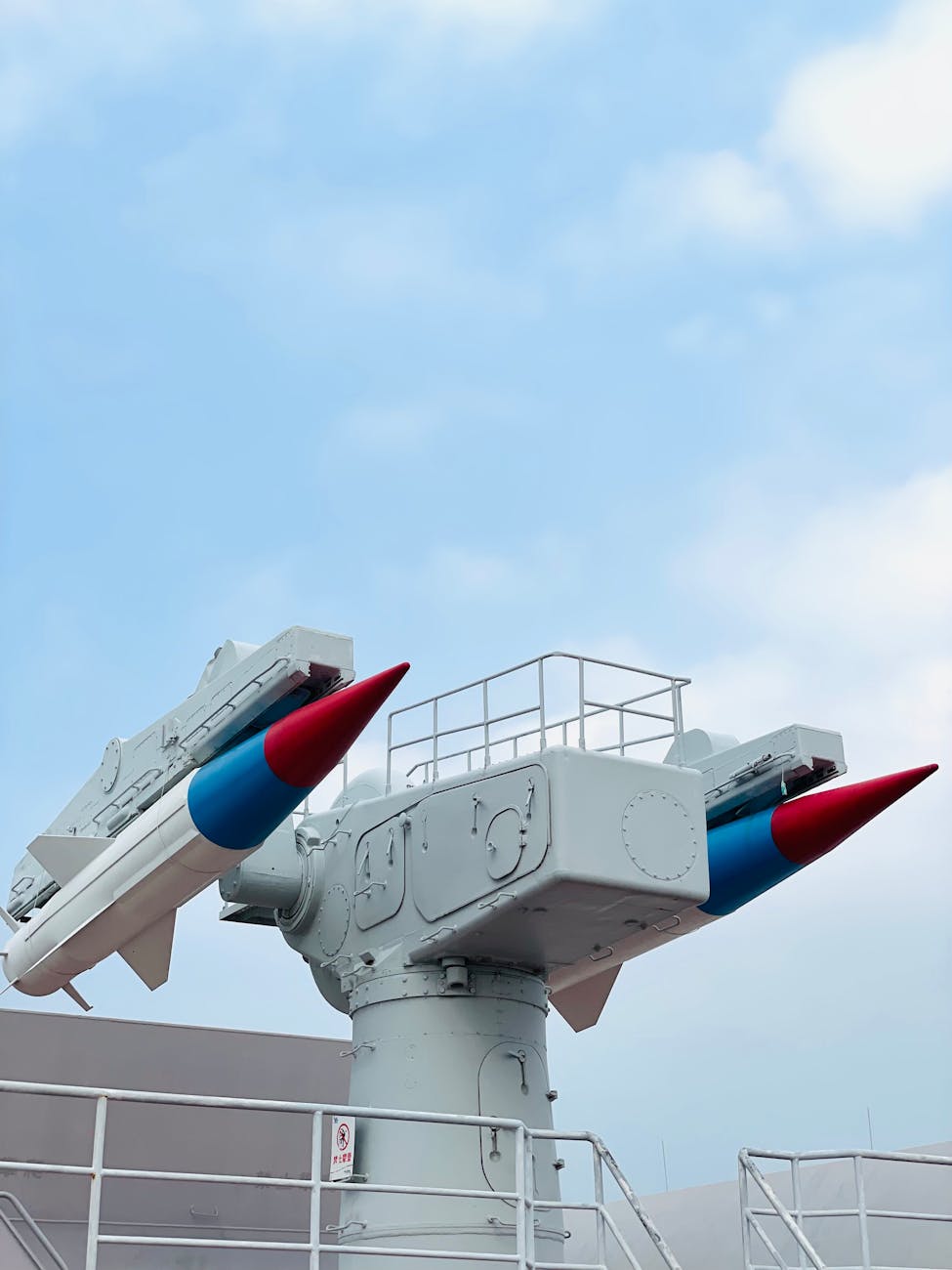
The exercises involved Yars and Sineva intercontinental ballistic missiles launched from silos and mobile launchers, along with Zircon and Kinzhal hypersonic missiles fired from naval vessels and aircraft. More than 200 missile launchers took part, including Iskander-M tactical systems, and thirteen submarines were deployed — eight of them nuclear-capable strategic vessels operating in the Barents Sea and the Pacific, Euronews reported.
Russia’s defence ministry confirmed it had delivered nuclear munitions to field storage facilities on Belarusian territory as part of the exercises. The Iskander-M short-range ballistic missile system, already deployed in Belarus with a range of roughly 500 kilometres, is capable of carrying a nuclear warhead — putting NATO’s eastern members within striking distance.
Lukashenko, speaking alongside Putin during the videoconference, insisted the posture was defensive.
“We absolutely threaten no one. But we have such weapons, and we are ready in every possible way to defend our common fatherland from Brest to Vladivostok,” he said.
The exercises come at a moment of mounting friction across NATO’s eastern flank. On Wednesday, Lithuanian leaders were rushed to bunkers after a drone violated the country’s airspace, prompting Vilnius to issue its first ever “take shelter” alert, the Guardian reported. A NATO fighter jet shot down a drone over Estonia a day earlier. Baltic officials have described the incidents as a campaign of hybrid warfare — drone incursions, GPS jamming and cyber attacks — designed to test the alliance’s cohesion as it debates long-term security guarantees for Ukraine.
NATO Secretary General Mark Rutte has warned of a “devastating” response to any nuclear attack on alliance territory. Foreign ministers from the 32-nation alliance were meeting in Helsingborg, Sweden, on Thursday and Friday to finalise a multi-year package of military and financial support for Kyiv, and to discuss reinforcing NATO’s eastern border.
In Ukraine, the exercises have raised fears of a possible new northern front. The Security Service of Ukraine announced enhanced security measures across its northern regions bordering Belarus, CBS News reported, and President Volodymyr Zelenskyy convened his top military commanders to assess the threat. Ukrainian military planners have long warned that Russia could use Belarusian territory to launch a renewed offensive toward Kyiv. The delivery of nuclear munitions to storage sites in Belarus — even if Moscow retains operational control — adds a dangerous new dimension to those contingency plans.
Belarusian opposition leader Sviatlana Tsikhanouskaya, who fled the country after Lukashenko’s disputed 2020 re-election, condemned the deepening military integration between Minsk and Moscow.
“Step by step, Lukashenka is drawing the country into nuclear blackmail,” Tsikhanouskaya said, Euronews reported. “Today, Russia is openly saying that its weapons are stationed on Belarusian soil. And control over them will remain in Moscow.”
Thursday’s drills are the fourth in a series of quarterly nuclear exercises Moscow has conducted jointly with Minsk since 2024, Al Jazeera reported, each one larger than the last. Independent estimates suggest the current round more than tripled troop numbers compared with earlier phases.
The exercises cap a week of assertive Russian moves across its western periphery. Putin returned from Beijing days earlier, where he secured Chinese President Xi Jinping’s backing for Russia’s negotiating position on Ukraine. On the same trip, the Kremlin issued a decree easing the path to Russian citizenship for residents of Moldova’s breakaway Transnistria region. The moves together deepen Moscow’s military and political footprint from the Baltic to the Black Sea at a moment when Western attention is divided between the war in Ukraine and growing friction with China in the Pacific.

Theo Larkin
Defense correspondent covering US military operations, weapons procurement and the Pentagon. Reports from Washington.