Iraq PM Ali al-Zaidi takes office with cabinet gaps
Iraq PM Ali al-Zaidi takes office in Baghdad with only a partial cabinet in place, leaving security posts open and reforms under scrutiny.
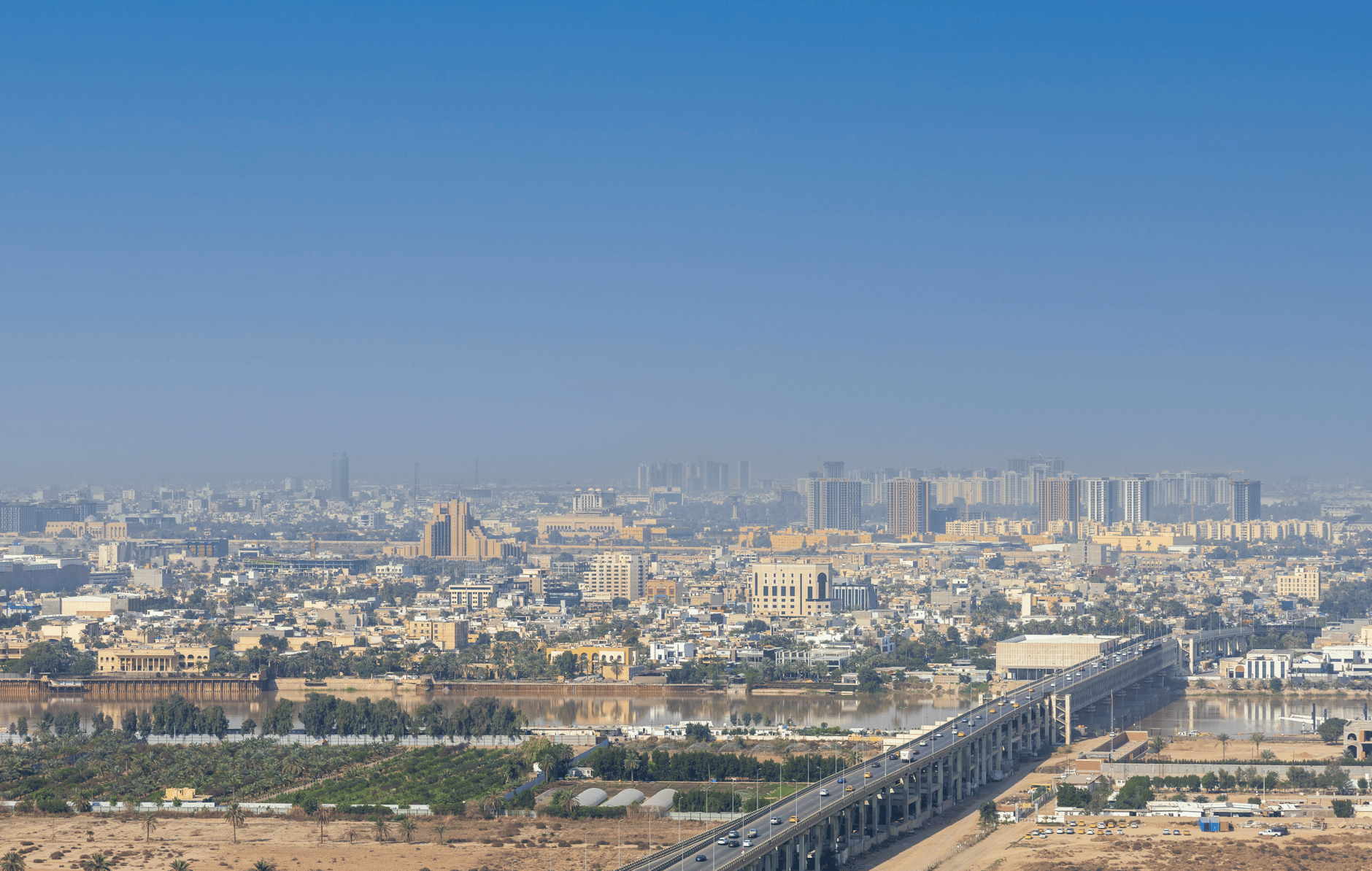
Ali al-Zaidi formally took office as Iraq’s prime minister in Baghdad on Saturday, taking charge of a government that still lacks a full cabinet and faces early pressure to fill key posts and show it can govern after parliament approved only part of his ministerial team.
The ceremony gave Iraq a new premier, but not yet a complete administration. Reuters reported that parliament approved 14 ministers and left nine ministries pending. Al Jazeera video of the handover showed al-Zaidi assuming office days after lawmakers granted confidence to his government and ministerial programme.
The numbers showed how much of the transition is still unfinished. Parliament is meant to approve 23 ministers in total, according to Al Jazeera’s report on the vote. Al-Zaidi, 40, had 30 days from his designation to form a government.
That means the ceremony ended one phase of the transfer and began a harder one. Al-Zaidi now has to fill the remaining posts quickly enough to show the government can function without another stretch of bargaining among rival blocs. His first test may be whether he can do that while keeping the parliamentary coalition behind him.
The prime minister’s media office described the transfer in formal terms after lawmakers endorsed both the cabinet and its governing agenda.
“The Council of Representatives votes to grant confidence to the government of Prime Minister Ali Faleh Al-Zaidi and its ministerial programme,”
— Prime Minister’s media office, via Al Jazeera
The empty ministries matter because some of the toughest questions for any Iraqi government sit where politics meets security. Reuters and Al Jazeera said the interior and defence portfolios were still unresolved after the vote, leaving al-Zaidi to keep negotiating even as he starts work from the prime minister’s office.
Immediate tests for Baghdad
Muqdad al-Khafaji, an Iraqi lawmaker, told Reuters that three ministries had failed to win parliament’s confidence and that the broader cabinet remained incomplete.
“Parliament approved 14 ministries, while nine ministries remain pending. Three of them failed to win parliament’s confidence today,”
— Muqdad al-Khafaji, via Reuters
At 40, al-Zaidi enters office with a profile supporters can cast as less tied to Iraq’s established factions. Al Jazeera described him as a political newcomer, while Reuters identified him as a businessman with extensive interests. That mix could help him present himself as a compromise figure, but it also raises questions about how quickly he can turn neutrality into authority.
The stakes reach beyond cabinet arithmetic. Reuters and Al Jazeera both placed al-Zaidi’s rise inside Iraq’s balancing act between Washington and Tehran, alongside domestic militia politics and demands for reform. A smooth handover does not answer whether the new government can keep those negotiations moving without becoming another arena for outside pressure.
The first measure of al-Zaidi’s tenure will be how fast he completes the cabinet, wins confidence for the remaining ministers and begins to set out a governing programme that can hold together in parliament.
Until then, Iraq has a new prime minister, but only part of the government he needs.

Yara Halabi
Foreign affairs correspondent covering the Middle East, the Gulf and US foreign policy. Reports from London.