Pakistan keeps Tehran channel open in Iran talks
Pakistan opened a direct senior-level channel to Tehran after Mohsin Naqvi met Masoud Pezeshkian during a week of regional strain.
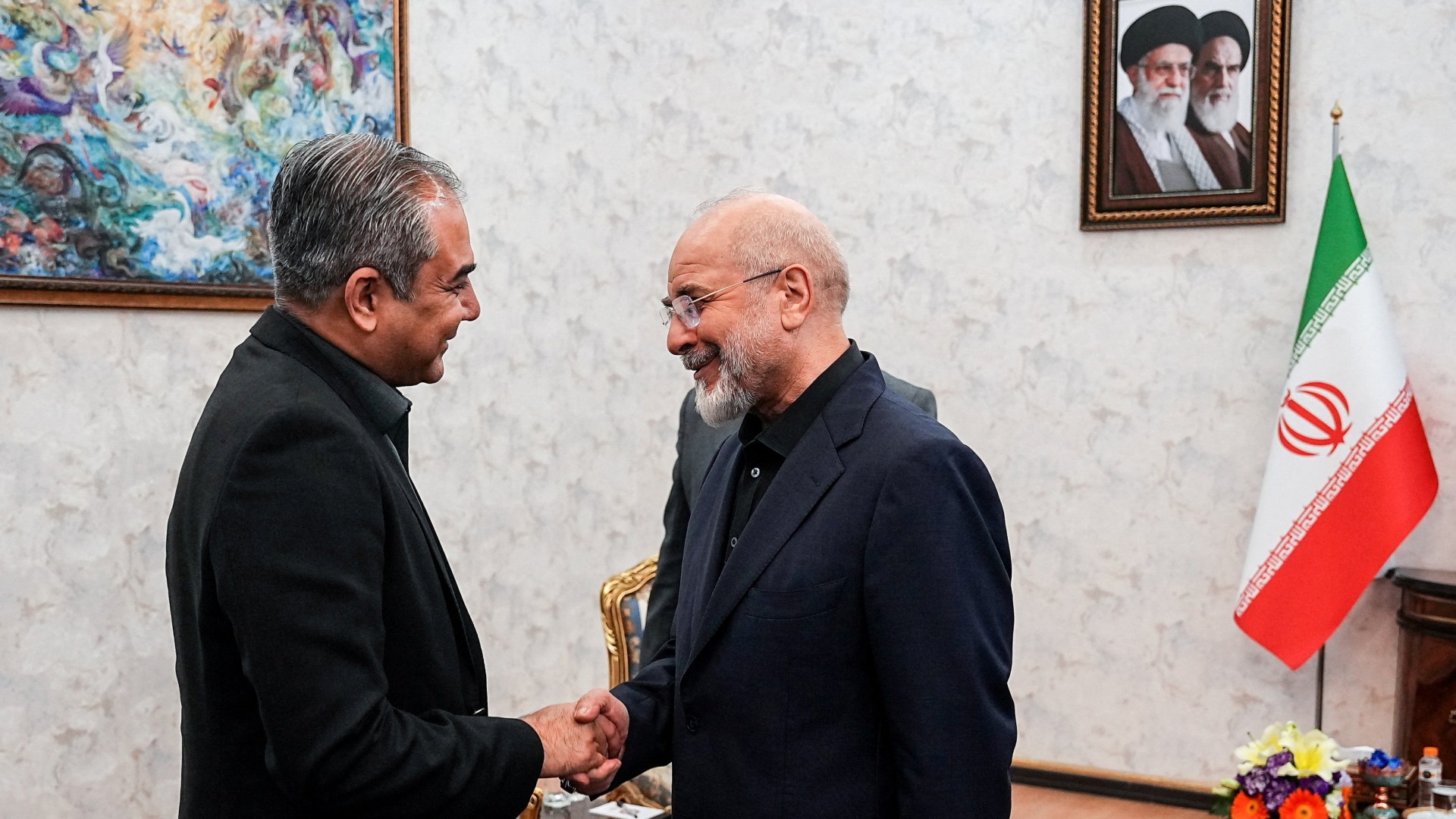
Pakistan’s interior minister, Mohsin Naqvi, met Iranian President Masoud Pezeshkian in Tehran on May 17, giving Islamabad a direct senior-level line into Iran as the wider Iran-US crisis kept neighboring capitals on alert. Public statements from both sides said the talks covered regional security, bilateral ties and the broader confrontation.
No initiative was announced, and neither side described a breakthrough. Still, the visit showed Pakistan wanted to keep an official channel with Tehran open at a tense moment and to do so in the language of security coordination rather than public display. For a country that shares a border with Iran, access itself can matter when governments are watching for signs of regional spillover.
Pakistani newspaper Dawn reported that a private session between Naqvi and Pezeshkian lasted 90 minutes. The paper also said Naqvi met Iranian Interior Minister Eskandar Momeni during the trip, suggesting the Tehran stop involved more than a brief courtesy call.
Pakistan’s interest was practical. It wants security links working, bilateral communication open and no surprises if the crisis puts extra pressure on the border or on wider diplomatic traffic. That helps explain the restrained wording in the official readouts. Officials stressed continuity and coordination, but did not claim the talks altered events. Naqvi later gave the trip a longer horizon in remarks carried by The Express Tribune, saying the meetings had “provided a vital baseline for future strategic decisions.”
Available reporting also does not support reading the visit as a mediation mission. That distinction matters for Pakistan. A mediation claim would require evidence of an active role between adversaries, and none has been set out in the reporting or official statements. What is visible is a government keeping lines open with a neighbor whose decisions can affect border security, trade routes, cross-border planning and wider regional diplomacy alike.
Why the visit drew notice
Later reporting by The News said Naqvi’s trip lasted two days and was presented in Pakistan as part of a broader review of regional diplomacy. That framing mattered because the public record from Tehran stayed thin. There was no joint statement laying out new steps, no timetable for follow-up talks and no public effort by either side to oversell the outcome. The visit largely had to speak through its format.
That format still carried weight. A 90-minute meeting with the Iranian president, followed by ministerial contacts over two days, goes beyond a routine stopover. It showed other governments in the region that Islamabad wanted a working line into Tehran while preserving room to adjust if the wider crisis shifted again.
The meeting therefore reads as a diplomatic marker rather than a turning point. Pakistan showed it could reach the Iranian leadership directly and keep the conversation anchored to security and bilateral ties. In a fast-moving regional crisis, official contact is often one of the clearest public signals available. By that measure, the Tehran talks gave Islamabad a visible place in the regional conversation without committing it to more than the public record supports.

Yara Halabi
Foreign affairs correspondent covering the Middle East, the Gulf and US foreign policy. Reports from London.