Pakistan Scrambles to Salvage US-Iran Ceasefire as Trump Declares Talks Near Collapse
Pakistan denied sheltering Iranian military aircraft after President Trump rejected Tehran's peace proposal as 'totally unacceptable.' The month-old ceasefire brokered by Islamabad now faces imminent collapse, with the diplomatic track Pakistan constructed over weeks in serious doubt.
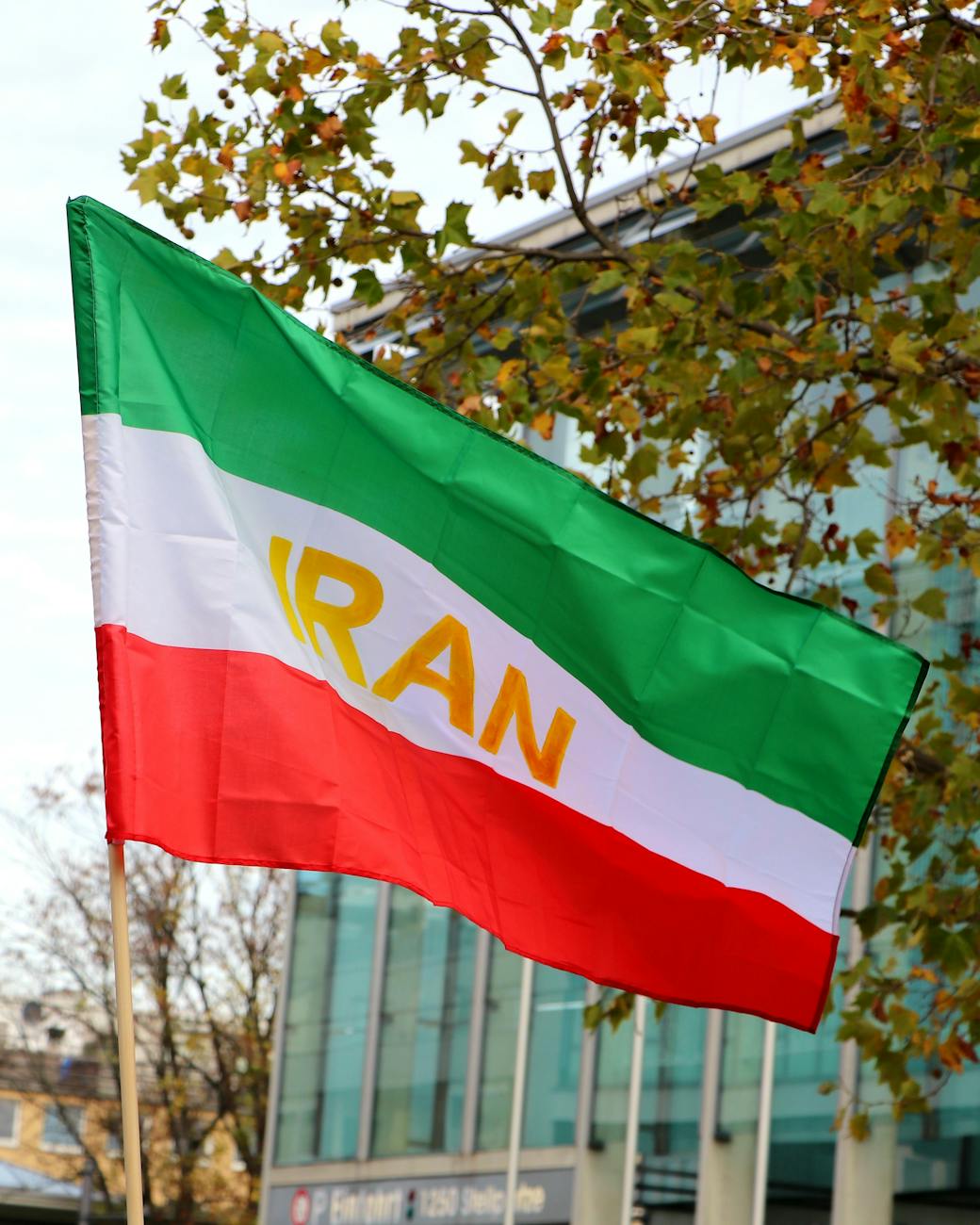
The month-old ceasefire between the United States and Iran lurched closer to collapse Tuesday, after Pakistan denied allegations it had sheltered Iranian military aircraft and President Donald Trump declared Tehran’s latest peace proposal dead on arrival.
Trump told reporters the truce was on “massive life support” and described Iran’s counter-offer as “totally unacceptable” — language that left the survival of both the ceasefire and the broader diplomatic track Pakistan has spent weeks constructing in serious doubt.
“The situation is one where the doctor walks in and says, ‘Sir, your loved one has approximately a 1 percent chance of living,’” Trump said. “That’s where the ceasefire is right now.”
Islamabad brokered the original ceasefire, which took effect April 8, after weeks of back-channel shuttle diplomacy conducted between two adversaries that had not engaged directly for decades. That agreement halted direct military exchanges that had pushed the Middle East to the edge of a broader conflict, sent global oil prices spiking, and drawn in regional proxies from Yemen to Iraq. It was, by any measure, a diplomatic coup for a country more often cast as a regional problem than a regional solution. Yet the truce has frayed steadily since its earliest days, and Trump’s outright rejection of Tehran’s counter-proposal now marks its most serious rupture — one that could see the military standoff in the Gulf reignite within days.
A CBS News report published over the weekend claimed that Iran moved an RC-130 reconnaissance aircraft to Pakistan Air Force Base Nur Khan, near the garrison city of Rawalpindi, in the days after the ceasefire took hold. Analysts read the report as suggesting Tehran used the truce window to reposition military assets beyond the reach of U.S. strikes — a claim with explosive implications for Pakistan’s credibility as an honest broker.
Pakistan’s Deputy Prime Minister and Foreign Minister Mohammad Ishaq Dar flatly rejected the allegation, noting that the base sits close to a densely populated urban area and that concealing a large Iranian military fleet there would be logistically impossible. The foreign ministry called the report “categorically false” and said Islamabad’s role as mediator remained unconditional.
“Pakistan has done more than many had expected,” said Syed Ali Zia Jaffery, deputy director at the Centre for Security, Strategy and Policy Research at the University of Lahore. “Delivering a ceasefire in an environment marred by sheer distrust was no mean feat.”
That diplomatic achievement is now in jeopardy.
From Tehran, Foreign Minister Abbas Araghchi signaled that Iran’s patience with the process was wearing thin — and that the rejection of a proposal Iranian officials described as generous had hardened positions inside the regime. Esmaeil Baghaei, the Foreign Affairs spokesman, told state media that “everything we proposed was reasonable and generous — not only for Iran’s national interests, but also for the good and well-being of the region and the world.”
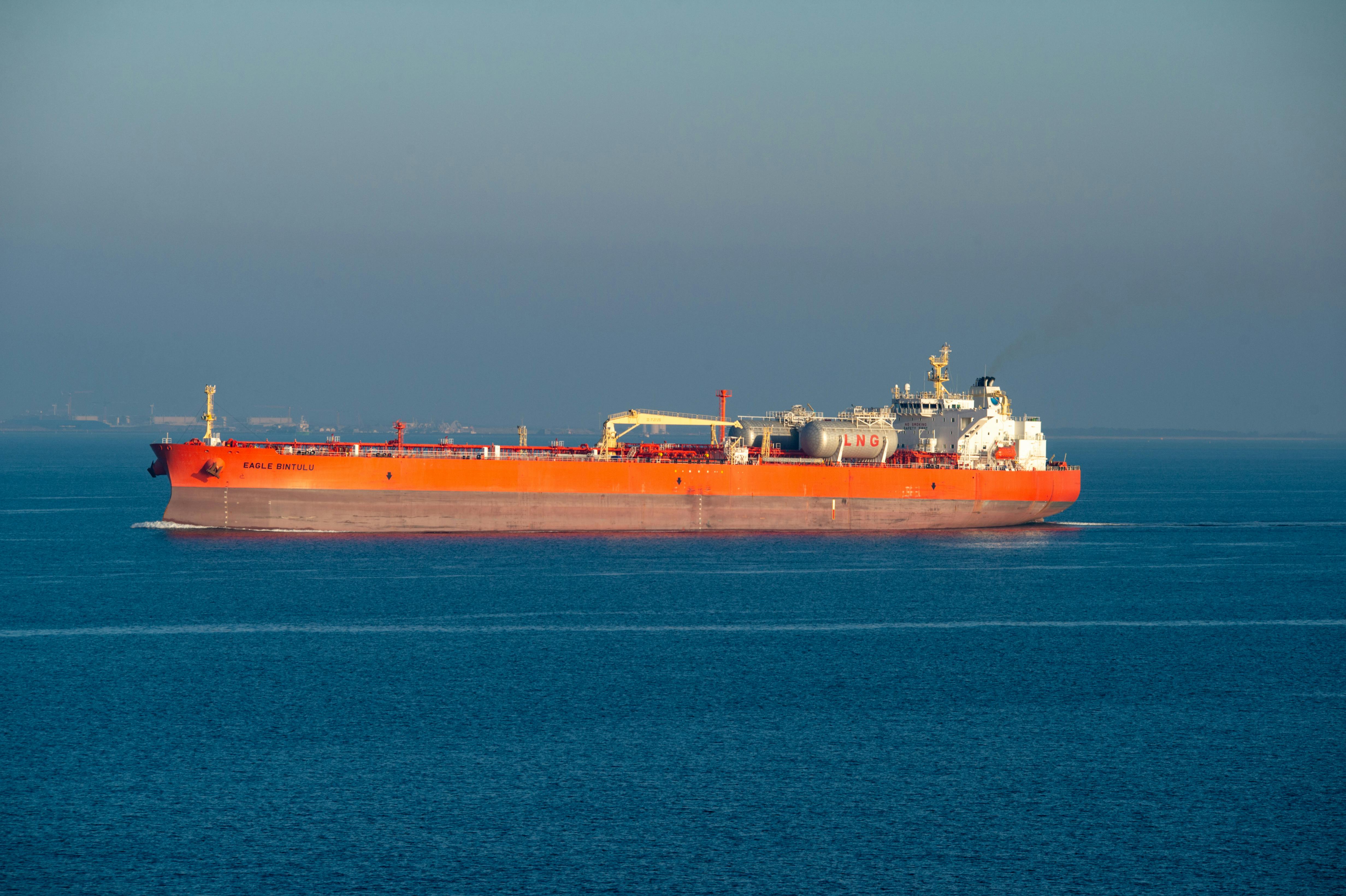
Hanging over the diplomatic collapse are consequences that extend far beyond the two principal antagonists. The Strait of Hormuz, through which roughly one-fifth of global oil and natural gas exports pass during peacetime, sits at the center of the strategic calculus. Any resumption of hostilities would almost certainly disrupt those shipping lanes, sending energy prices sharply higher at a moment when major economies are still wrestling with inflation. Insurers have already begun repricing war-risk premiums for vessels transiting the Gulf, and shipping companies are reactivating contingency plans first drawn up during the initial military exchanges in March.
Iran’s nuclear program adds a further, more urgent layer to the standoff. The International Atomic Energy Agency has reported that Iran’s stockpile of uranium enriched to 60 percent — perilously close to weapons-grade material — now stands at approximately 440 kilograms, according to NBC News. That is enough, analysts say, to fuel several nuclear devices if Tehran chose to weaponize. The April 8 ceasefire was widely seen as buying time to address the nuclear file; that window may now be closing fast.
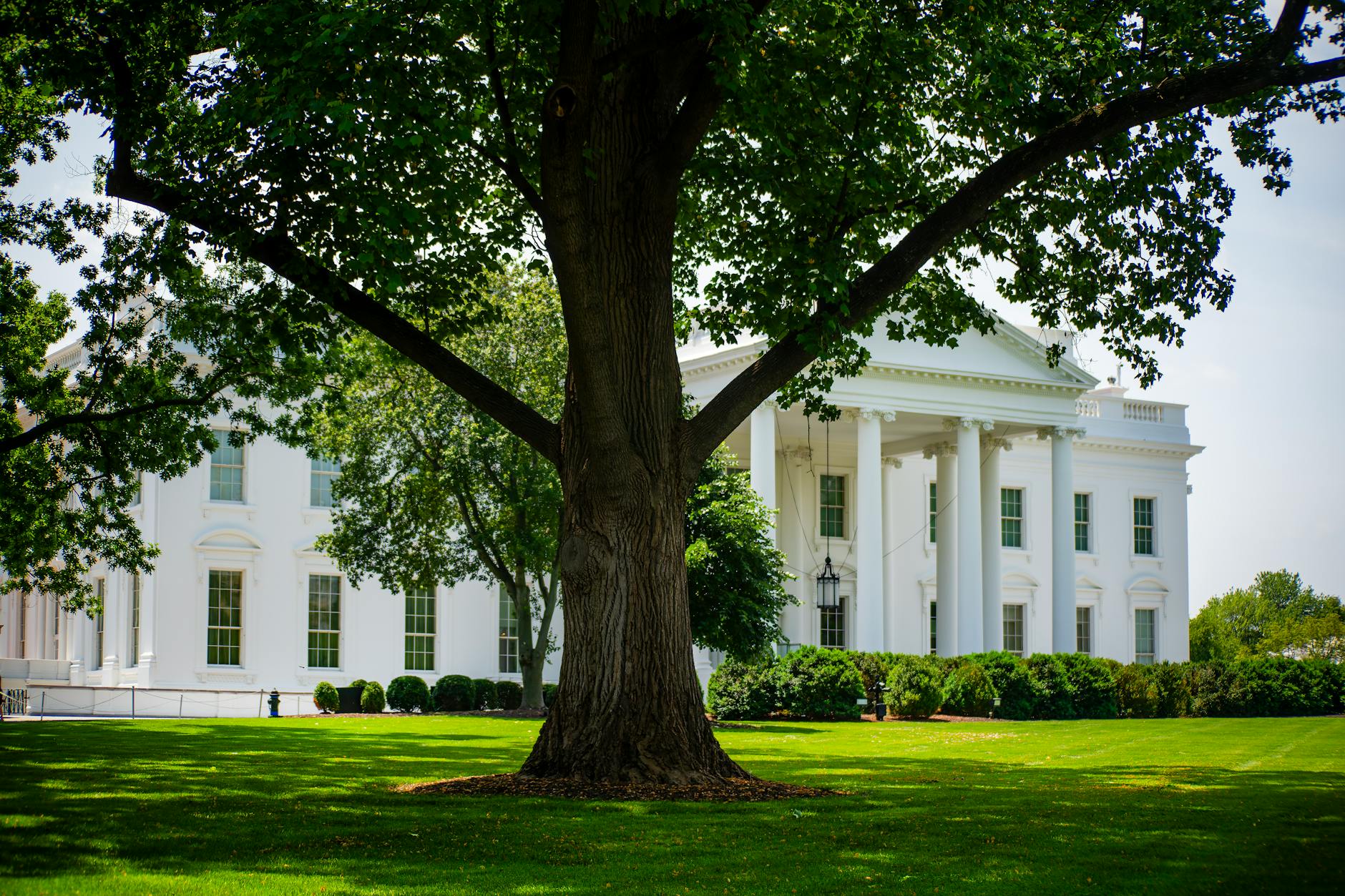
The White House has not publicly detailed which elements of Iran’s proposal it found unacceptable. Trump’s language, however, was characteristically blunt and delivered without the diplomatic softening that typically precedes the final phase of delicate negotiations. A readout from the National Security Council offered no timeline for a U.S. counter-proposal, and officials familiar with the discussions said no fresh round of talks had been scheduled.
Pakistan’s foreign ministry said it remained “fully committed” to its role as mediator and was in contact with both sides, according to Al Jazeera. Senior officials in Islamabad have privately warned, however, that there is little remaining diplomatic runway if neither Washington nor Tehran shows willingness to budge from their stated positions.
For now, the ceasefire holds. But it holds by a thread — and the country that pulled off the improbable task of stopping the shooting is running out of options to keep the peace.

Yara Halabi
Foreign affairs correspondent covering the Middle East, the Gulf and US foreign policy. Reports from London.