Iran creates Hormuz authority as peace talks stall
Iran has created a new authority to oversee the Strait of Hormuz, tightening control over a vital shipping lane as ceasefire talks with Washington lose momentum.
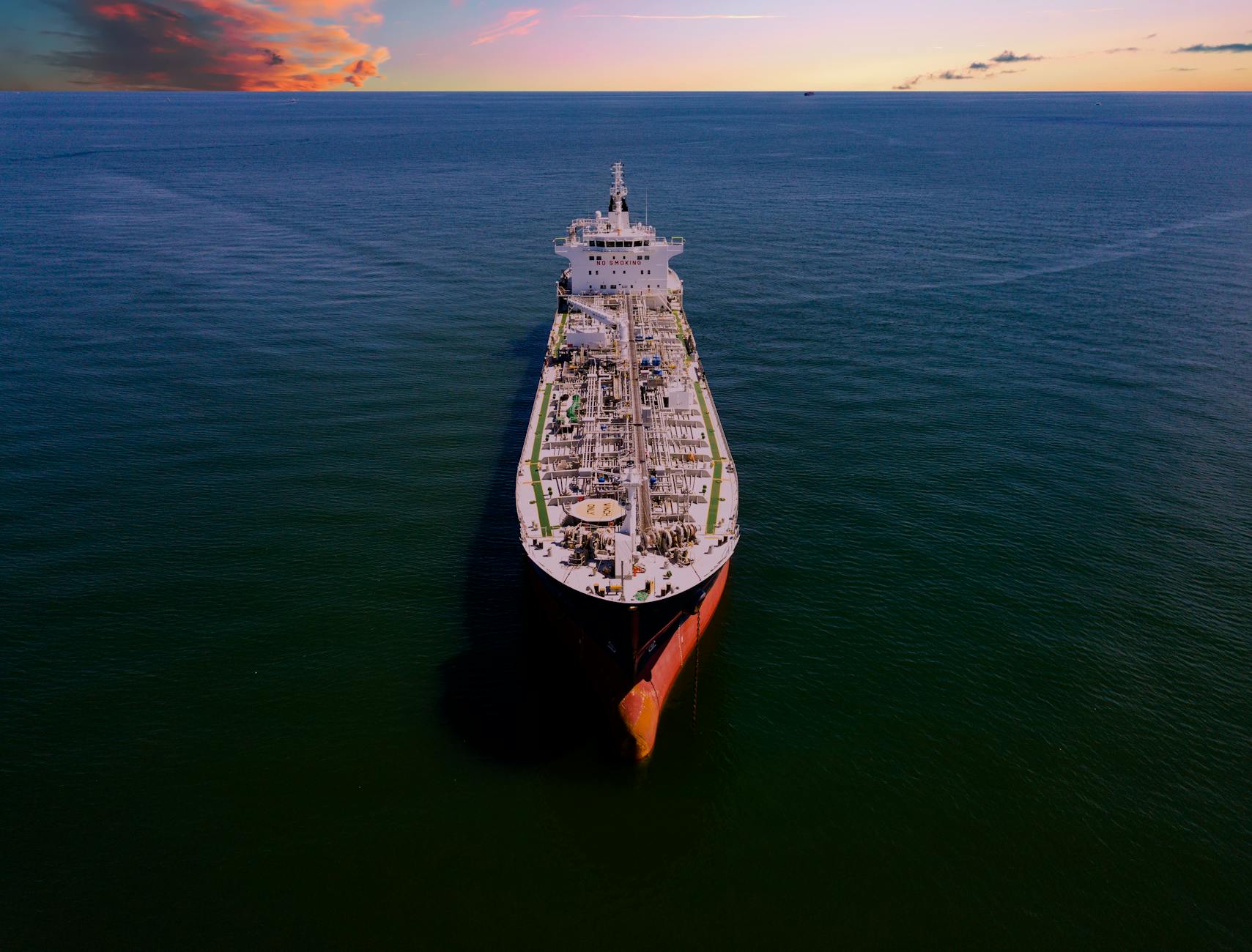
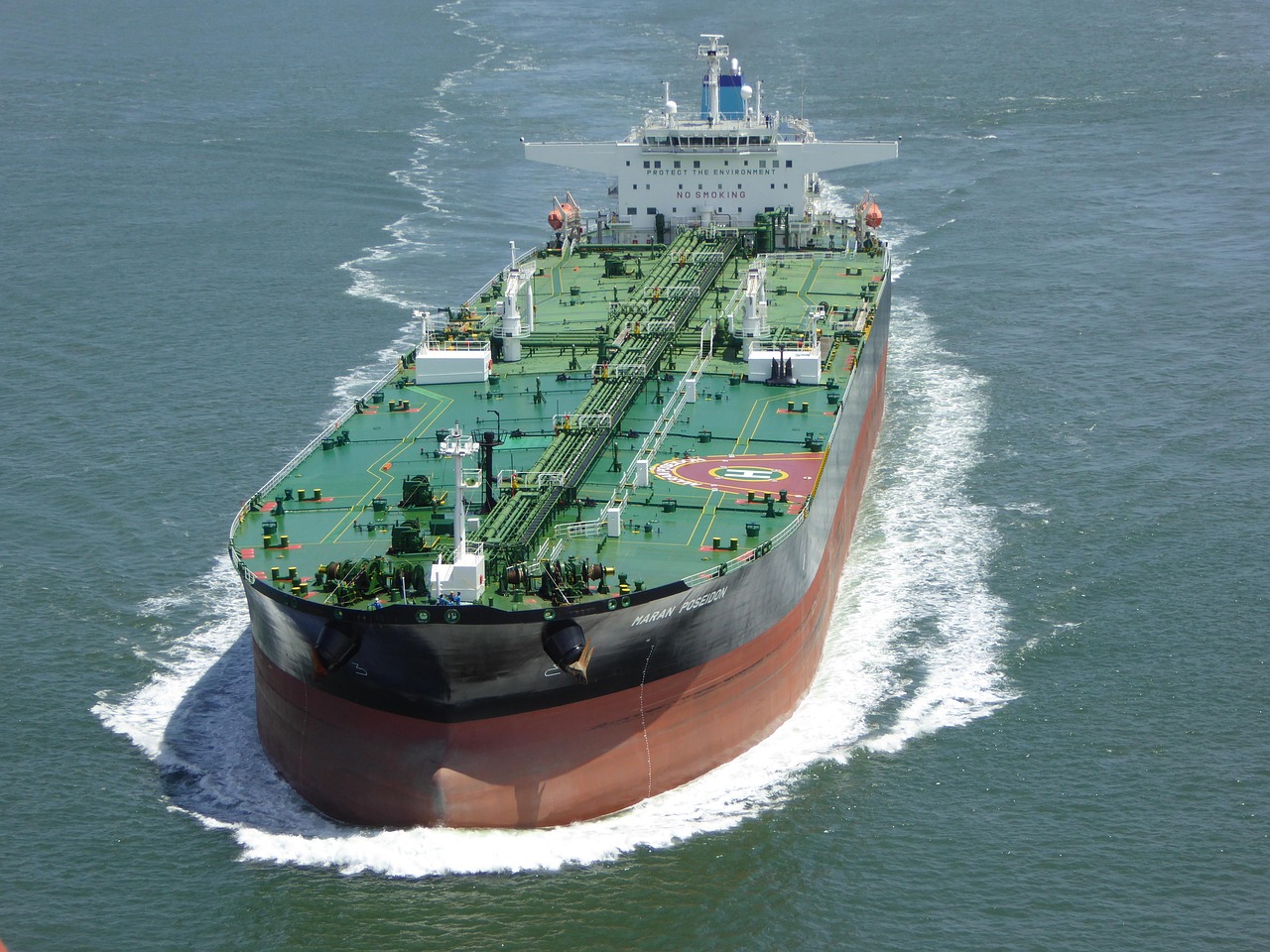
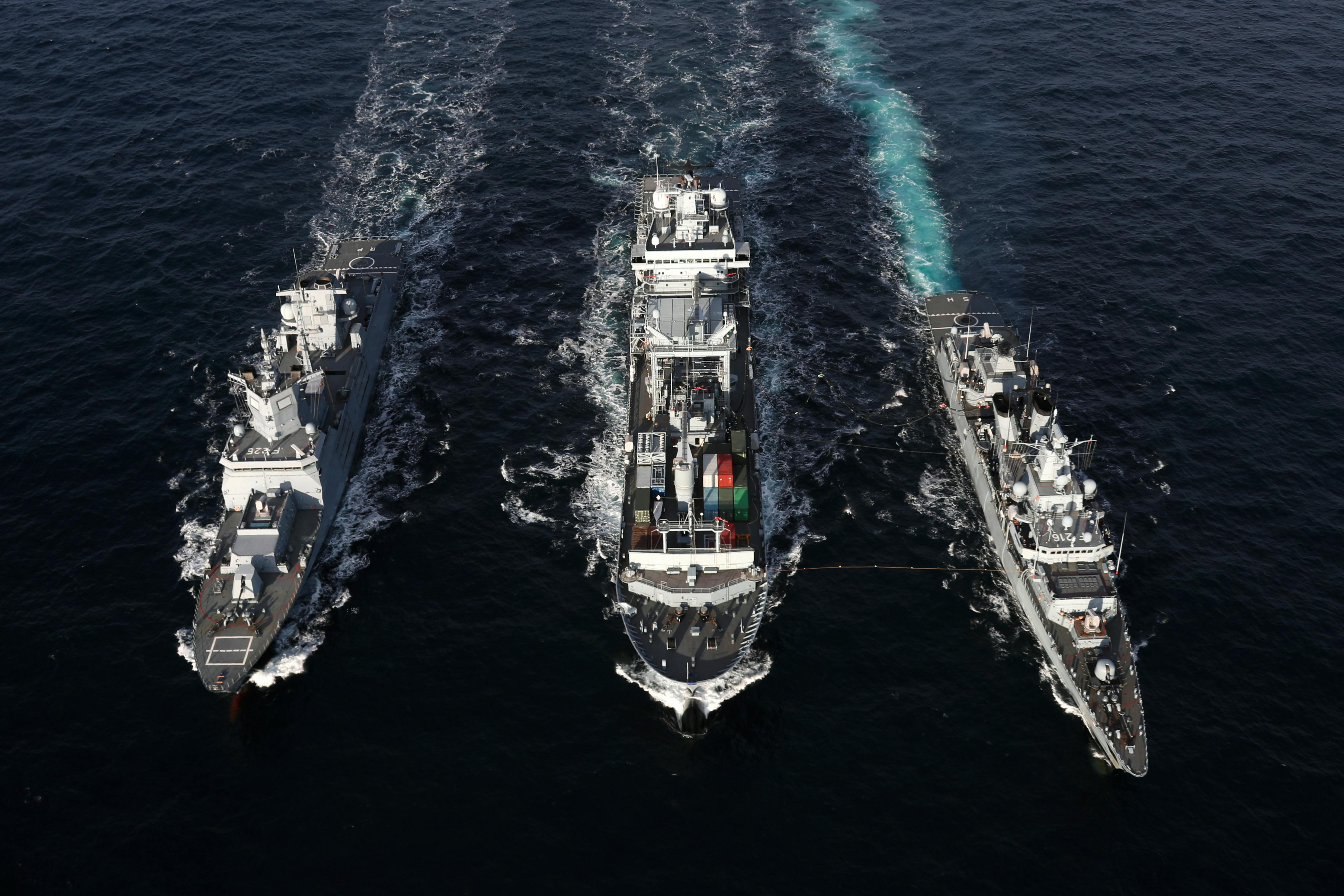
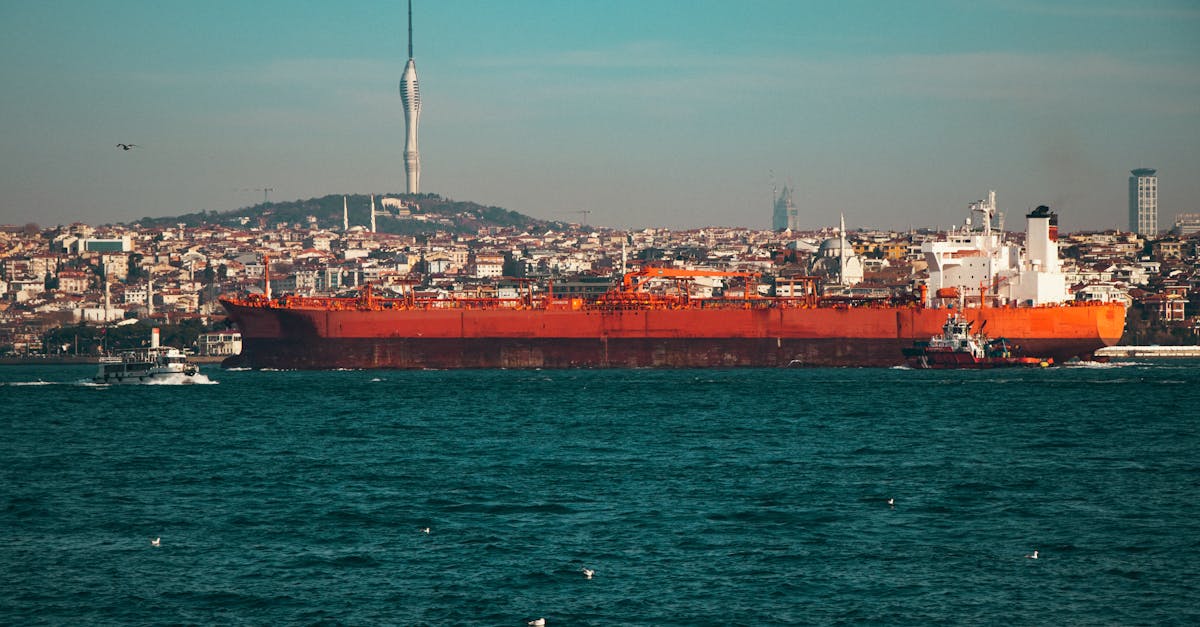
Iran said Monday it had set up a new authority to oversee traffic through the Strait of Hormuz, tightening state control over the world’s most important oil-shipping chokepoint as talks with the United States on a broader peace deal have stalled.
The new body, the Persian Gulf Strait Authority, puts a strategic waterway at the centre of Iran’s state response after weeks of conflict and intermittent diplomacy. Iranian officials told France 24 that the authority would manage maritime traffic through Hormuz and issue public updates, tying security policy to commercial shipping and the stalled negotiations with Washington.
In a social media post, Iran’s Supreme National Security Council described the authority as a channel for “real-time updates on the #Hormuz_Strait operations and latest developments”. The message sets up a system that directs vessel movements and controls information around a sea lane watched by energy traders, shipowners and Gulf governments.
President Masoud Pezeshkian said the decision was part of a tougher negotiating posture while talks remain open. “Dialogue does not mean surrender,” he said, according to the France 24 report. Foreign ministry spokesman Esmaeil Baqaei told reporters that Tehran was still considering its options and warned, “We are fully prepared for any eventuality.”
Diplomacy has moved slowly even after open fighting eased. Associated Press reporting published by Military.com said the war began on 28 February 2026, when the United States and Israel struck Iran, and that a fragile ceasefire has held since 8 April. Washington and Tehran held one round of in-person talks in Pakistan last month, but no wider settlement has followed. The new Hormuz authority signals that the waterway will be part of any future negotiation over security or sanctions.
What the new body means
The Strait of Hormuz carries roughly a fifth of global oil and liquefied natural gas shipments from Gulf producers to buyers in Asia and Europe. Even administrative changes around the passage carry an outsized geopolitical weight. Tehran has long used threats around the strait to remind its adversaries that it can impose costs beyond the battlefield. A formal authority does not close the strait, but it institutionalises control over vessel movement at a moment when every instruction or warning notice can ripple through freight markets, insurance premiums and energy planning.
A separate Reuters report carried by MarketScreener described the new body as a mechanism to manage vessel transit through Hormuz. The distinction between a standing authority and a temporary military order matters for ship operators. Military warnings can be reversed quickly. A named body with a defined mandate and a public communications role can outlast a single crisis, giving Iran a durable framework for regulating passage or signalling retaliation.
For Gulf Arab states and outside powers, the announcement is another sign that Iran is converting wartime disruption into longer-term leverage. Tehran is telling negotiators that maritime security cannot be separated from the wider political file. The message to oil exporters on the Arab side of the Gulf is that even if direct strikes subside, the terms of commercial transit may still depend on Iran’s calculations about the ceasefire and the pace of talks with the United States.
What happens next depends on how aggressively the authority uses its powers, not on what it is called. If it confines itself to routing notices, the announcement is a warning shot. If it attaches new conditions to passage or uses operational bulletins to pressure shipowners, Hormuz becomes a more explicit bargaining chip in a negotiation that is already stuck. Iran has put the strait on a firmer institutional footing. Diplomacy and maritime pressure will now move together.

Yara Halabi
Foreign affairs correspondent covering the Middle East, the Gulf and US foreign policy. Reports from London.