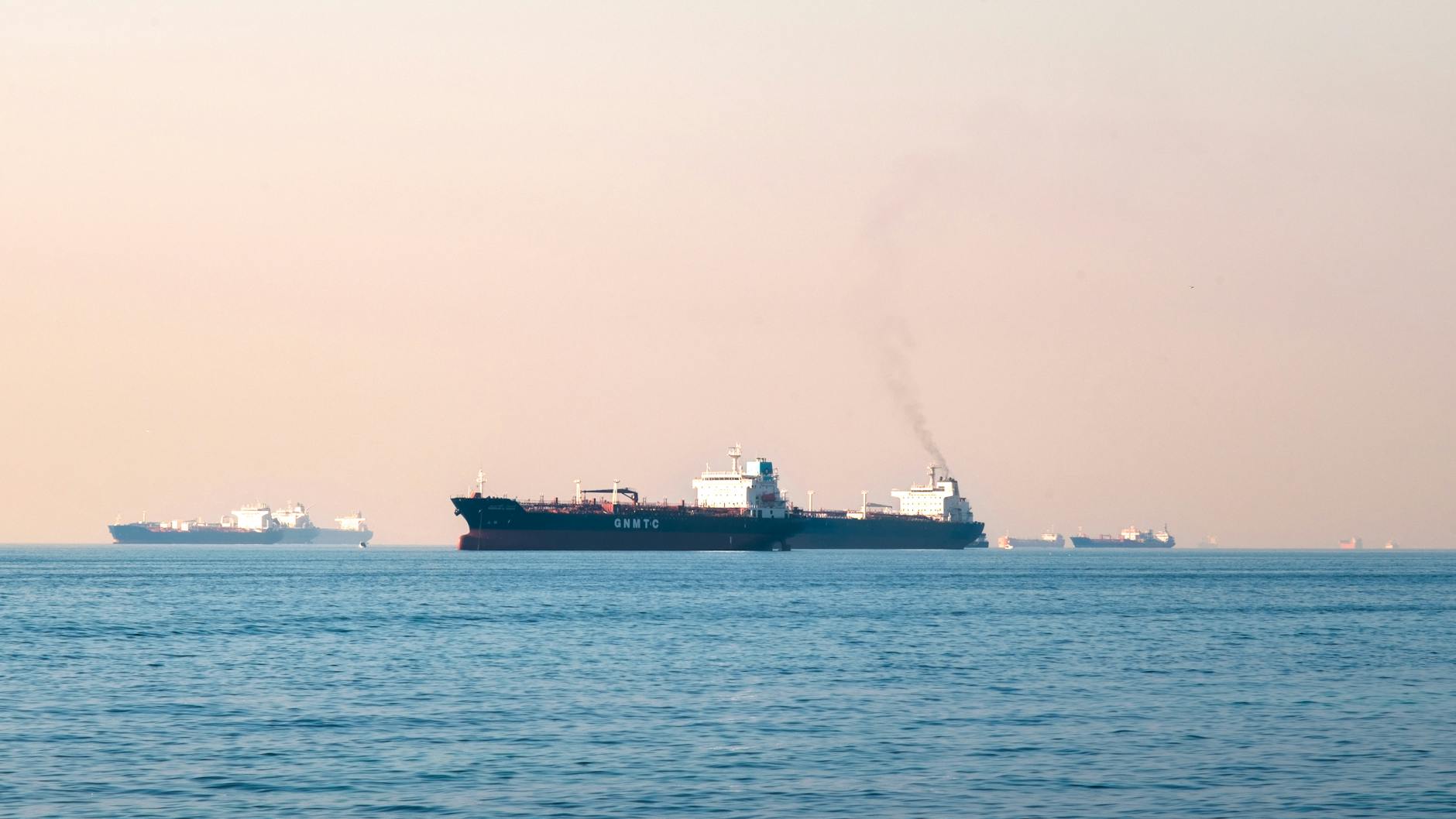
US lets Russia oil waiver expire as markets tighten
The Trump administration allowed a waiver tied to Russian crude sales to lapse, tightening sanctions as oil markets stay sensitive to fresh supply disruptions.

The Trump administration allowed a waiver tied to Russian crude sales to expire on Saturday, ending a short-lived sanctions carve-out just as oil markets stayed tight and traders were still pricing in Middle East supply risk.
For traders, the lapse turns a temporary compliance measure into an immediate supply story. The waiver had given buyers in energy-poor countries a route to keep Russian barrels moving without breaching US restrictions. Shippers, banks and insurers also relied on the license to finance and move cargoes that might otherwise have stalled. The expiry follows a stretch in which Reuters reported via Yahoo Finance that Brent climbed toward $90 a barrel when Iran briefly reopened the Strait of Hormuz. There is little room for a new disruption to pass quietly.
On April 17, the Office of Foreign Assets Control’s General License 134B extended an earlier 30-day waiver that had expired on April 11. The license allowed certain transactions involving Russian crude to continue for a limited period, preserving an outlet for shipments that Washington argued were important for countries with weak energy security. OFAC fixed another short deadline rather than offering open-ended relief. Treasury viewed the measure as temporary market management, separate from the broader sanctions architecture.
Treasury Secretary Scott Bessent described the waiver in humanitarian and market terms. He said it covered “more than 10 of the most vulnerable and poorest countries in terms of energy,” according to the gCaptain report, which cited Bloomberg. Bessent had already signaled the extension was unlikely to last. In an April Bloomberg interview, he said, “I don’t think you will see that extended,” giving importers a month to prepare for a harder line.
Saturday’s expiry is a test of how much market pain the White House will accept to keep pressure on Moscow. Brett Erickson, a commodities analyst quoted in the Reuters report, said the conflict had done lasting damage to energy markets and that the tools available to steady them were “nearly exhausted.” A lapse does not automatically stop cargoes already at sea, but it can chill new transactions if traders, shipowners or banks decide compliance risk has risen. The market must now weigh whether Russian barrels keep moving and whether a thinner sanctions safety valve adds another risk premium to a barrel already priced for disruption.
Why the lapse matters
Pressure was already visible. OPEC producers have kept a disciplined grip on output, shipping routes through the Gulf have been tested by fresh security shocks, and benchmark crude has been reacting sharply to each interruption. Even after Tehran moved to reopen the Strait of Hormuz, Reuters said, prices stayed elevated enough to keep policymakers alert to any additional squeeze. A waiver covering a limited slice of Russian trade gave importers, shippers and insurers a clear compliance path, and its expiry removes that path when the market can least absorb it.
April’s renewal affected meaningful volumes. Reuters reported that Russian investment envoy Kirill Dmitriev said the extension touched another 100 million barrels of supply. That volume explains why Washington renewed the waiver once even as it kept broader sanctions pressure on Moscow. The precise near-term hit from the waiver’s expiry is harder to measure, but the policy signal is clearer: President Donald Trump is allowing one of the few remaining safety valves around Russian crude to fall away rather than cushioning the market again.
Treasury could now issue replacement guidance, narrow case-by-case relief or nothing at all. Banks and insurers often react faster than refiners when a license disappears. Market effects can show up first in financing costs, freight decisions and willingness to book cargoes. Without a new carve-out, the lapse shifts attention from sanctions paperwork to physical barrels. For oil buyers already dealing with tight balances and a market prone to geopolitical jolts, a Washington compliance decision becomes a live question for supply and pricing.

Marcus Holloway
Markets editor covering UK gilts, sterling and the Bank of England. Previously a fixed-income strategist in the City.