Markets price Fed hike risk as bonds sell off
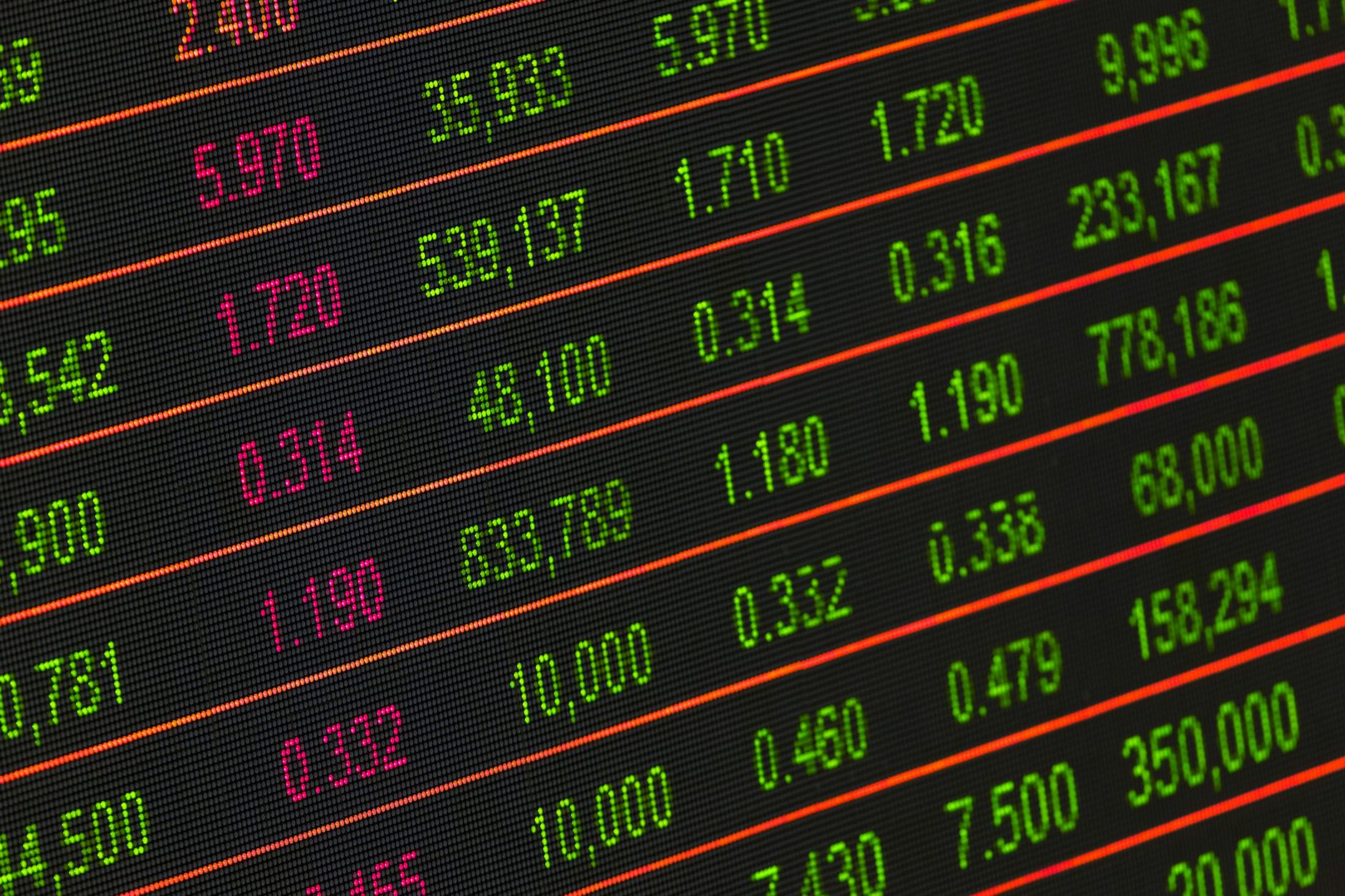
Traders are pricing a roughly 60 per cent chance of a quarter-point Fed hike by January, a sharp turn that is rippling through Treasuries.
Investors pushed rate futures lower and Treasury prices down on Friday as traders began pricing in the risk that the Federal Reserve may need to raise rates around year-end — a turn away from the easing bets that had held through early spring. Reuters reported that futures markets were implying roughly a 60 per cent chance the Fed’s benchmark rate would be 25 basis points higher by January’s policy meeting, with a move as early as December seen as close to a coin toss.
The repricing landed first in the bond market, where investors were already demanding higher yields to hold longer-dated government debt. MarketWatch said the roughly $30 trillion Treasury market was behaving as if policy was tightening already, a shift that put Kevin Warsh’s arrival as Fed chair under sharper scrutiny.
For traders, the question is whether inflation proves sticky and whether the new chair will tolerate a further rise in market rates while trying to reshape the central bank’s balance-sheet policy.
Warsh inherits a Fed that still holds $6.7 trillion in assets even after shrinking its balance sheet from a peak near $9 trillion in 2022, according to a separate Reuters report on the constraints facing any faster unwind. Hanno Lustig, a Stanford University finance professor, told Reuters that “in order to have real price discovery in the Treasury market, we need a central bank that will not intervene.”
The remark echoed a view gaining ground among some investors: bond markets may keep pushing yields higher unless inflation data cool and the Fed signals less tolerance for price pressure.
Traders who only weeks ago were focused on the timing of rate cuts are now weighing the chance that the next move could be up. Pricing a quarter-point increase by January does not amount to a forecast of an imminent hike, but it shows how quickly rate expectations can turn when inflation worries hit the front end of the curve and long-dated Treasuries fail to attract steady demand.
Warsh’s own room to manoeuvre may be narrower than the change in leadership suggests. Ellen Meade, a Duke University economics professor and former Fed adviser, told Reuters that changing course on balance-sheet operations is “a nine-to-12-month process, with staff memos and briefings, committee discussions and then agreement.” That timeline matters because investors looking for a rapid policy reset may find that the plumbing of the Treasury market, and the Fed’s role in it, changes more slowly than futures prices do.
Why Warsh matters
The new chair must convince markets that the Fed can keep inflation in check without aggravating strains in the market for government debt. Reuters also reported that Fed Governor Christopher Waller had described parts of the current system as “extremely inefficient and stupid.” The blunt language reflected unease that still surrounds the way the world’s largest bond market functions.
If policymakers want cleaner price discovery, they may also have to accept more volatility as private investors absorb a heavier share of Treasury supply. For now, investors appear to be making that adjustment on their own. Higher term premiums, firmer inflation anxiety and uncertainty about how aggressively Warsh will pursue balance-sheet changes have hardened rate expectations.
That does not guarantee the Fed will lift rates by December or January. A softer run of price or growth data could unwind the move quickly. But the message from futures and Treasuries is that investors have reopened a question that had looked largely settled: whether the Fed’s next turn might be tighter, not easier. The next inflation readings and Fed communication will determine whether that repricing sticks.
Marcus Holloway
Markets editor covering UK gilts, sterling and the Bank of England. Previously a fixed-income strategist in the City.