Bond Market's Warsh Trade Falls Apart as Oil Fans Inflation Risk
The $31 trillion Treasury market is reversing its most telegraphed bet of 2026 as surging oil prices and sticky inflation force traders to scrap rate-cut expectations ahead of incoming Fed chair Kevin Warsh's confirmation.
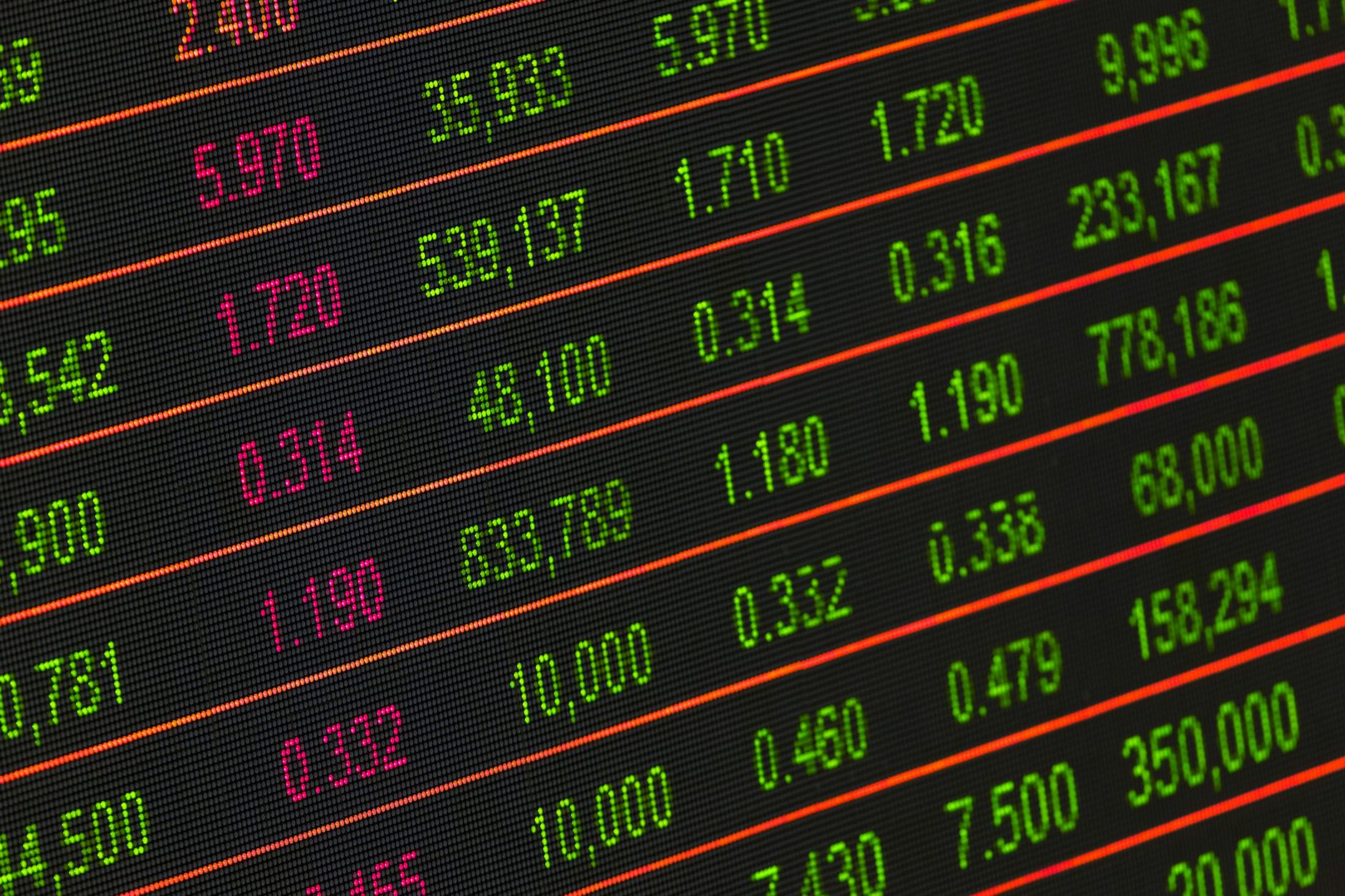
The $31 trillion U.S. Treasury market is rapidly unwinding one of its most telegraphed bets of 2026. Traders who piled into bonds expecting incoming Federal Reserve chair Kevin Warsh to deliver a cycle of interest-rate cuts are reversing those positions, as surging oil prices and sticky inflation data force a painful reassessment of where rates are headed.
As a result, the 30-year Treasury yield has been pushed to roughly 5%, a level that just weeks ago looked unreachable. In interest-rate swaps markets, traders are now pricing in a 75% probability that the Fed will be forced to raise rates by April 2027 — a stark inversion of the dovish thesis that dominated positioning heading into Warsh’s expected May 15 confirmation.
U.S. consumer prices rose 3.8% year-over-year in the latest reading, exceeding economist estimates and marking the fastest pace since 2023. Oil, driven higher by the deepening Iran-Hormuz conflict, is the primary accelerant. “The thing that will dictate his actions are events, rather than ideology,” said Adam Marden, co-portfolio manager of the Dynamic Global Bond Strategy at T. Rowe Price, describing the incoming chair.
That framing cuts against the original Warsh trade thesis. For months, the bet had been simple: Warsh, a former Fed governor known for his pragmatic approach to monetary policy, was expected to lean dovish under a Republican White House and deliver the multiple rate cuts the market craved. Instead, the calendar has delivered something the market does not want — rising energy prices that feed directly into core inflation prints, tying the Fed’s hands before Warsh even takes the gavel.
After its most recent meeting, the Federal Reserve held its benchmark rate at 3.50% to 3.75% — a decision that now reads as a pause rather than a peak. That April CPI report recast the conversation entirely. Where traders once debated the pace and timing of cuts through the back half of 2026, they are now gaming scenarios in which the Fed must tighten further. Across trading desks, the oil-driven inflation pulse shows no sign of cresting, and the swaps market is not waiting for confirmation.
From Rate-Cut Bet to Rate-Hike Fears
Even veteran fixed-income managers have been caught off guard by the speed of the reversal. Far from a fringe position, the Warsh trade was the consensus across Wall Street desks for much of the first quarter, built on the expectation that new Fed leadership would favor growth over inflation-fighting at a time when the economy appeared to be slowing.
Oil changed the math. Benchmark crude prices have climbed sharply as the Iran-Hormuz crisis escalated through April and early May, raising the cost of fuel, freight, and a range of petrochemical inputs that feed into consumer prices. For bond markets, which price inflation expectations years into the future, the signal is unambiguous: sustained energy-driven price growth makes rate cuts politically and economically untenable — and there is little sign the conflict will abate soon.
Citing Bloomberg reporting, the Financial Post noted Tuesday that the unwind is accelerating, with traders shedding long-duration Treasury positions and repositioning for a higher-for-even-longer rate environment. The 30-year bond, whose yield is acutely sensitive to long-term inflation expectations, has borne the brunt of the sell-off. Across the curve, short-end yields have also ticked higher, reflecting the growing conviction that the next move is up, not down.
“It has been such a difficult market to trade or even analyze,” said Priya Misra, a portfolio manager at JPMorgan Asset Management, capturing the uncertainty that has gripped the rates complex.
That uncertainty is not merely academic.
As the benchmark against which virtually every other asset class is priced, the Treasury market’s shifts carry weight far beyond bond desks — from mortgage rates to corporate debt to equity valuations. When the world’s largest bond market changes its mind about the direction of interest rates, the effects cascade through every corner of the financial system. A 5% 30-year yield, for instance, translates directly into higher borrowing costs for homebuyers, tighter credit conditions for businesses, and a more challenging valuation environment for stocks already trading at stretched multiples. CNBC reported separately that Treasury yields continued to climb as investors braced for the next inflation print. The breadth of the repricing suggests this is more than a tactical position-squaring exercise.
What happens next depends on two variables that no trader can control. The first is oil: if the Hormuz crisis deepens, the price impulse will filter through to the next CPI report and harden the case for tightening. The second is Warsh himself. As CNBC reported ahead of his expected confirmation, his early public remarks have provided little clarity on how he would navigate a supply-shock inflation episode — precisely the scenario now confronting him before his first day on the job.
For its part, the market is no longer waiting for clarity. The Warsh trade is over. The rate-hike trade has begun.

Marcus Holloway
Markets editor covering UK gilts, sterling and the Bank of England. Previously a fixed-income strategist in the City.