Warsh confirmed Fed chair as US inflation hits 3.8 per cent
The Senate confirmed Kevin Warsh as chair of the Federal Reserve in a 54-45 vote, the most divisive in the institution's history, as April consumer prices rose 3.8 per cent — the fastest pace since May 2023.
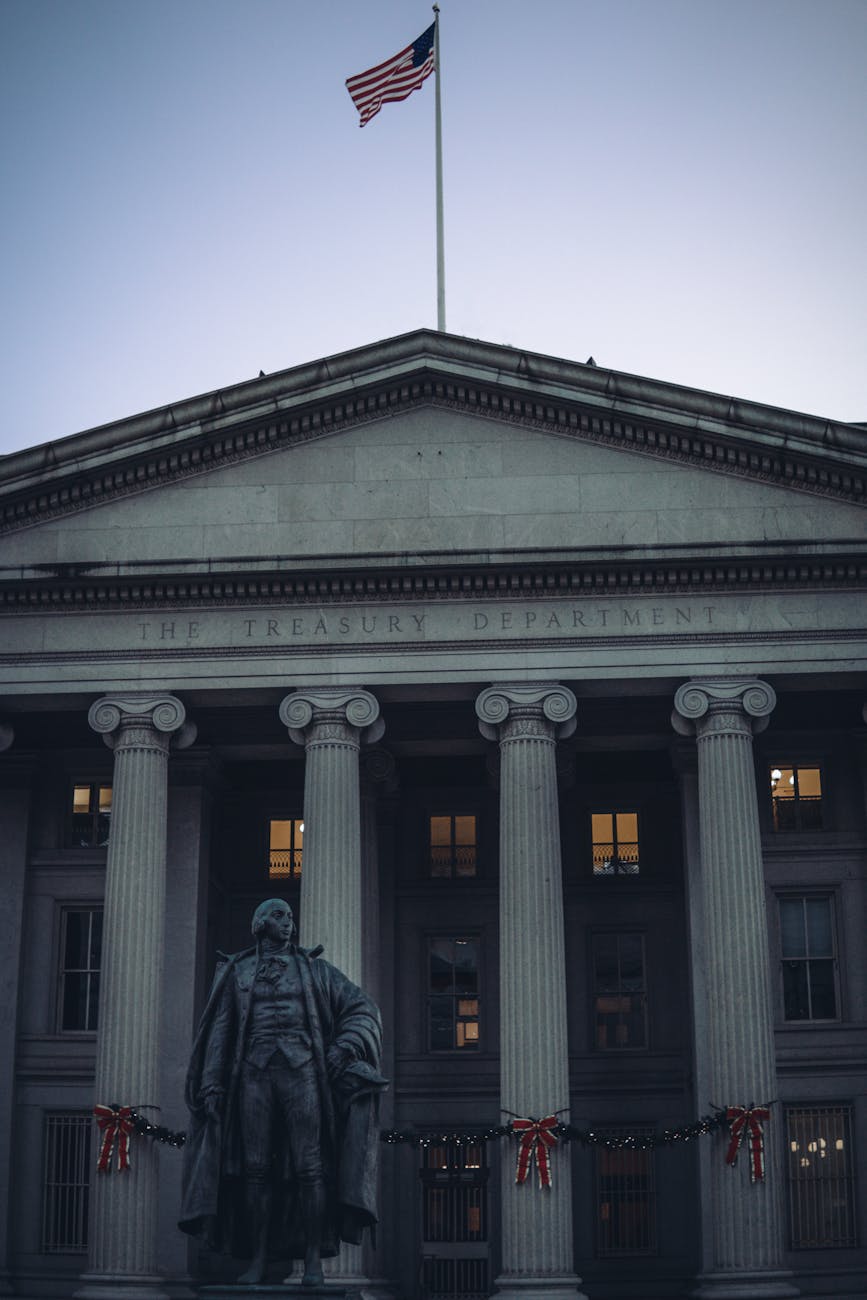
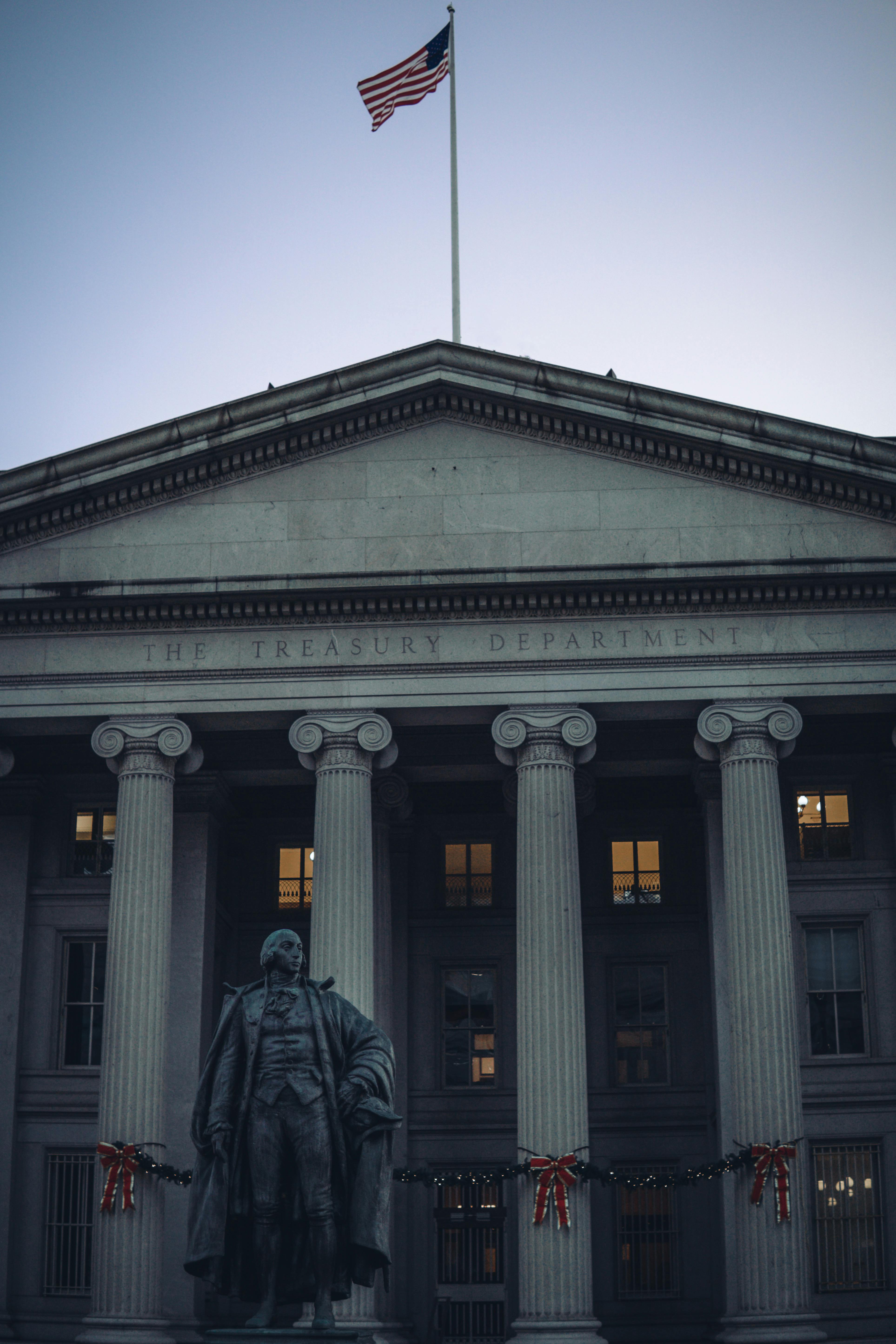
The Senate confirmed Kevin Warsh as chair of the Federal Reserve in a 54-45 vote on Tuesday, handing the central bank to a former Morgan Stanley executive hours after government data showed US inflation accelerated to 3.8 per cent in April, its highest reading in three years.
The confirmation, the most divisive for a Fed chair in the institution’s history, places Warsh at the centre of an intensifying battle against price rises driven largely by the oil shock tied to the conflict in Iran. Traders now price a 30 per cent chance the Federal Reserve will raise interest rates by year-end, according to the CME FedWatch tool, abandoning earlier bets that cuts were imminent.
Warsh, 56, served on the Fed’s board of governors from 2006 to 2011 and later advised the White House on trade policy. He succeeds Jerome Powell, who will remain on the board as a governor with two years left on his term.
During his confirmation hearings, Warsh faced sharp questioning from Democratic senators over his tenure at Morgan Stanley and his past criticism of the Fed’s post-2008 bond-buying programmes. Republican backers argued his market experience would bring pragmatism to the central bank. The three Democrats who broke ranks to support him have not publicly explained their votes.
The April consumer price index rose 3.8 per cent from a year earlier, the Bureau of Labor Statistics reported on Monday, beating the 3.7 per cent economists had forecast and accelerating from 3.5 per cent in March. It was the highest annual reading since May 2023.
Gasoline prices climbed 28.4 per cent from a year earlier, the largest single contributor to the increase, as crude oil surged above $95 a barrel after Iranian forces struck shipping in the Strait of Hormuz in March.
“Inflation is the key drag on the US economy now. This is hurting Americans. For the first time in three years, inflation is eating up all wage gains,” said Heather Long, a Washington-based economic columnist.
Real average hourly wages fell 0.5 per cent in April from the prior month, the BLS data showed, erasing purchasing power even as the headline unemployment rate held near historic lows.
David Roberts, head of fixed income at Nedgroup Investments, said the inflation numbers had already reset market expectations before the Warsh vote was cleared.
“US inflation is way above target, thanks in no small part to the Middle Eastern conflict,” Roberts said. “The market is now pricing the next move to be a hike, even with Warsh at the helm.”
Colin Finlayson, a fixed-income portfolio manager, said any assumption that a Warsh-led Fed would automatically deliver lower rates had evaporated. “The over simplistic view that a Warsh-led Fed would automatically mean lower interest rates looks to be over,” he said.
The vote split almost entirely along party lines, with three Democrats joining every Republican in backing the nomination. It surpassed the previous record for divisiveness: the 56-44 vote that confirmed Paul Volcker in 1979.
The inflation figures will dominate the first Federal Open Market Committee meeting Warsh chairs, scheduled for 17-18 June. Before Tuesday’s data, the consensus among Fed watchers had been for the committee to hold rates steady at 4.25 to 4.50 per cent through the summer.
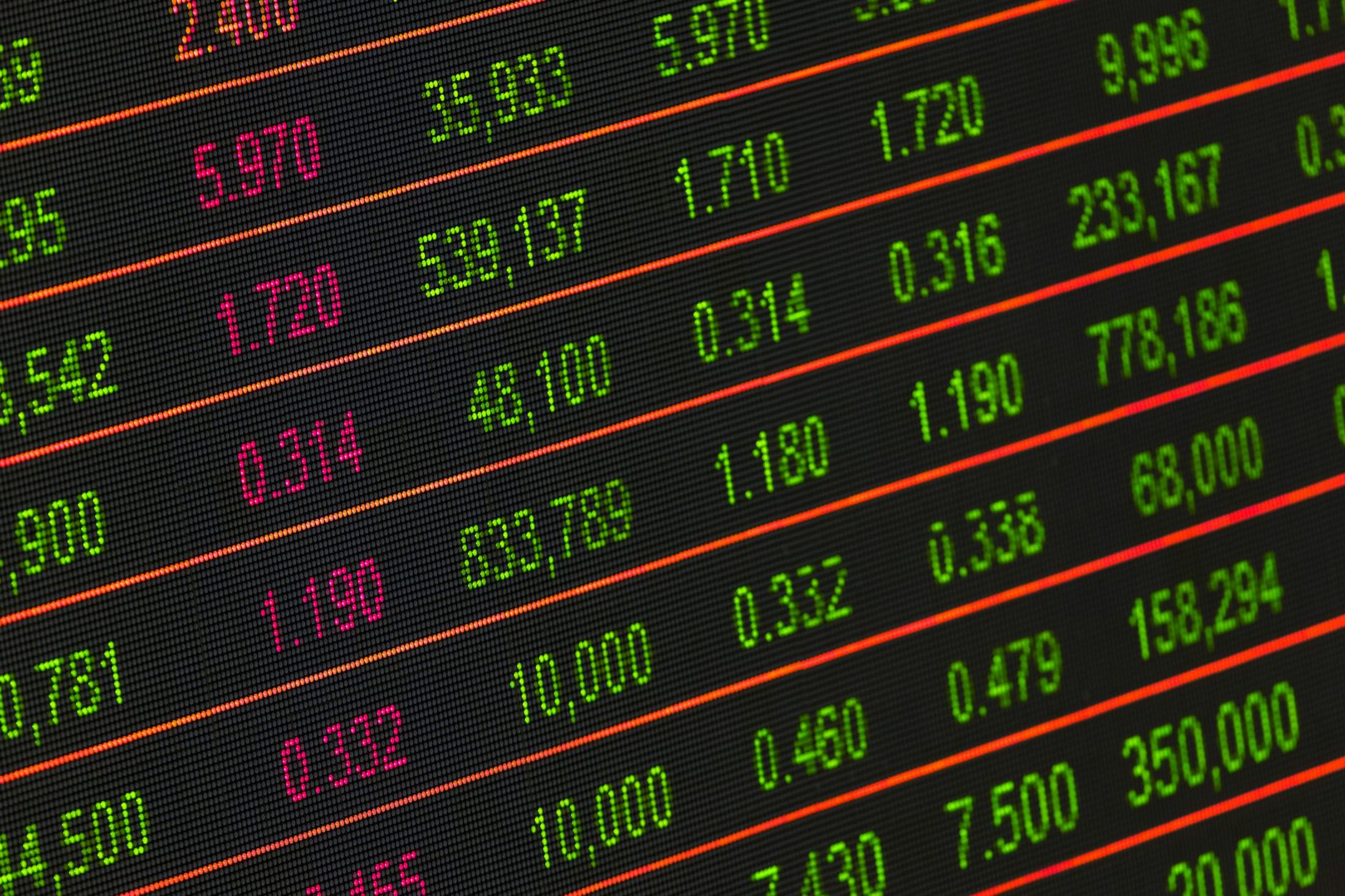
That assumption is now in doubt. Rate-sensitive two-year Treasury yields climbed to their highest since January in late trading Tuesday, while the S&P 500 fell 1.2 per cent. The US dollar rose against a basket of major currencies.
The White House declined to comment on the inflation figures but said in a statement that Warsh “has the president’s full confidence to restore price stability and protect American households.”
For Warsh, the immediate task is to convince markets the Fed is prepared to act. He inherits a central bank that raised rates 11 times between March 2022 and July 2023, the most aggressive tightening cycle in four decades, lifting the federal funds rate from near zero to 5.25-5.50 per cent. The Fed then cut three times in late 2024 and early 2025 as inflation appeared to be retreating toward the 2 per cent target.
That retreat has now reversed. With petrol above $4.50 a gallon and no ceasefire in sight in the Middle East, economists expect price pressures to persist through the summer. The April figures mark the fourth consecutive month in which inflation has overshot consensus forecasts.
The geopolitical backdrop shows no sign of easing. After Tehran-backed forces struck commercial vessels and a US Navy destroyer in the Strait of Hormuz in March, the US and UK responded with airstrikes on Iranian naval facilities. Brent crude, the international benchmark, remains elevated and energy analysts have warned that any further escalation could push oil above $110 a barrel.
Warsh’s first public speech as chair is expected within the fortnight. Investors and policymakers alike will parse every sentence for clues on whether a rate rise is under active consideration, and whether the new chair intends to depart from the cautious path set by his predecessor.
Marcus Holloway
Markets editor covering UK gilts, sterling and the Bank of England. Previously a fixed-income strategist in the City.