China Gains Major Edge on US Amid Iran War, Intelligence Report Finds
A classified US intelligence assessment prepared for the Joint Chiefs chairman warns that China is exploiting America's war with Iran to gain military, economic and diplomatic advantage.
China is exploiting America’s war with Iran to gain a major military, economic and diplomatic advantage over the United States, according to a classified US intelligence assessment prepared for the Chairman of the Joint Chiefs of Staff, Gen. Dan Caine.
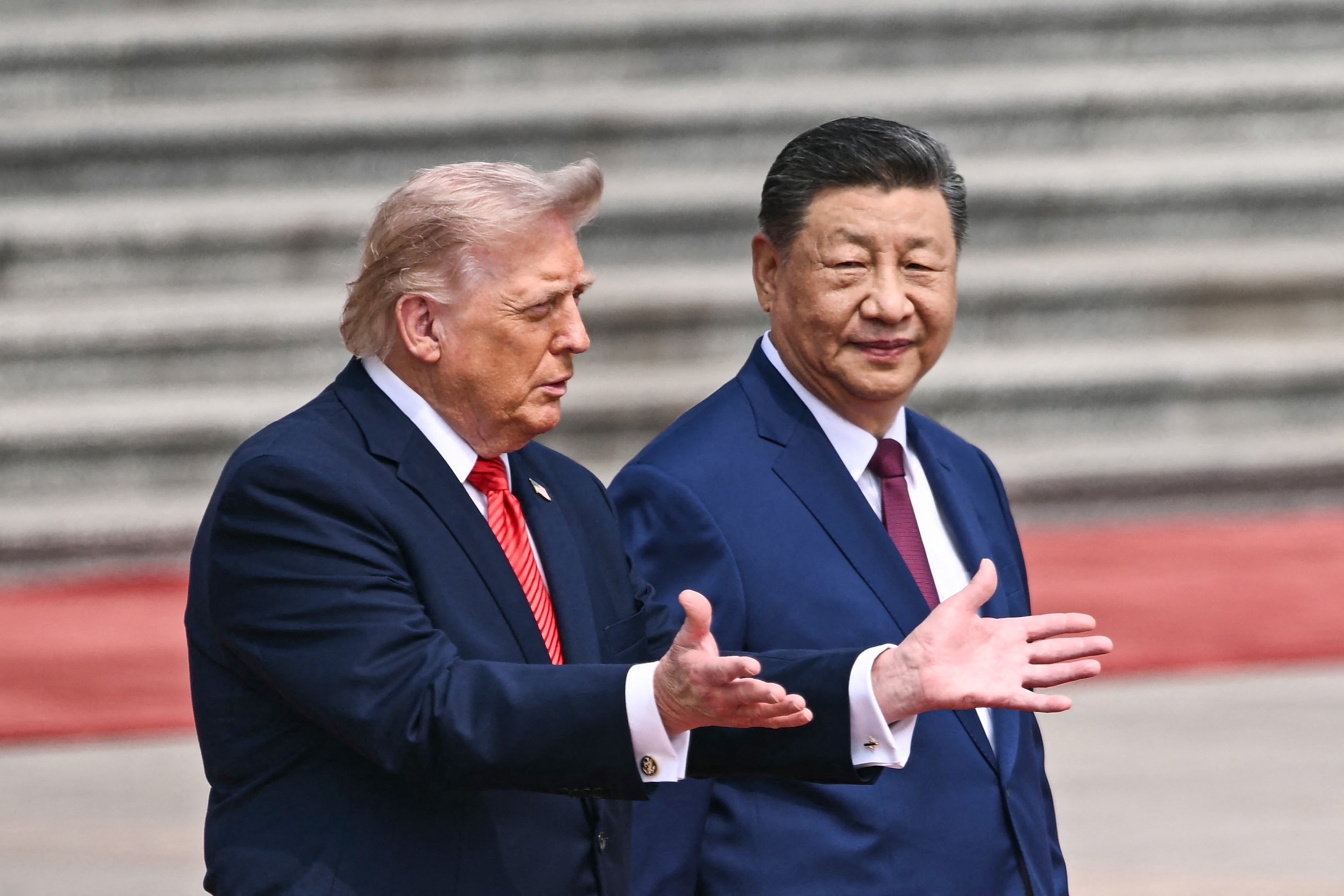
President Donald Trump arrived in Beijing on Wednesday for talks with Xi Jinping that officials on both sides have called the most consequential US-China summit in years. The intelligence findings, first reported by The Washington Post, are expected to shape those talks directly.
The assessment concludes Beijing has used the two-and-a-half-month conflict to accelerate weapons development, deepen energy ties with Tehran and expand its influence across the Middle East and Global South. US and Israeli operations against Iran began on Feb. 28.
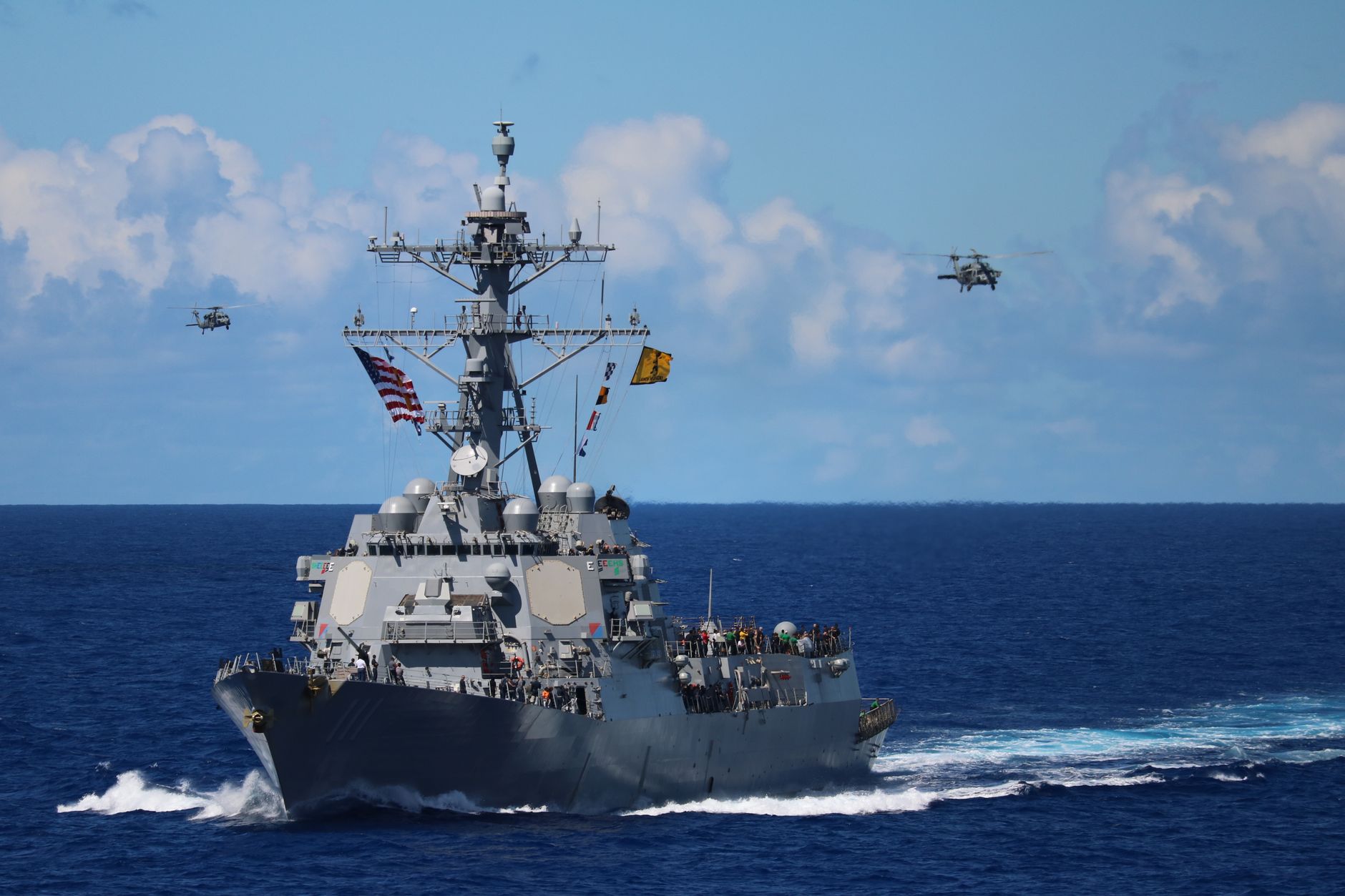
Western diplomatic and military attention has been consumed by the Gulf since February. Washington has shifted additional carrier strike groups, bomber squadrons and air-defense systems to the region, assets that would otherwise be positioned in the Indo-Pacific.
The timing of the assessment is deliberate. US officials told the Post the findings would be put in front of Trump during the Beijing visit, raising the prospect that the president could press Xi on the substance of the classified document behind closed doors.
The military dimension
US intelligence has separately detected signs that China is weighing whether to supply Iran with advanced radar systems, CBS News reported. Such a transfer would mark a significant escalation in military cooperation between Beijing and Tehran, shifting what has until now been a largely transactional energy relationship toward something closer to a defense partnership.
China has eclipsed Russia as the key US competitor in space, according to the 2026 Annual Threat Assessment. “Beijing’s rapid deployment of space capabilities positions it to use space to advance its foreign policy goals, challenge U.S. military and technological superiority in space, and project power on a global scale,” the assessment states.
The Pentagon now faces what defense planners have warned about for decades: a genuine two-theater problem. Sustaining combat operations in the Gulf while maintaining readiness for a possible Indo-Pacific contingency stretches force posture in ways US planners have spent years trying to avoid.
The White House pushed back on reports of Chinese military support for Iran. “Nothing provided to Iran by any other country is affecting our operational success,” spokesperson Olivia Wales said.
Energy and economics
Iran’s closure of the Strait of Hormuz has disrupted roughly one-fifth of global oil and gas shipments, according to a report by Anadolu. China already purchases more than 80 percent of Iran’s crude oil exports, Al Jazeera reported, giving Beijing outsize leverage in energy negotiations with Tehran as global prices climb.
Chinese refineries have become the primary outlet for Tehran’s oil revenues. European and Asian buyers have pulled back from Iranian crude under sanctions pressure, leaving Beijing with little competition for the barrels.
China controls roughly 90 percent of global rare-earth refining capacity, a choke point in defense and technology supply chains that has become central to Washington’s economic pressure campaign. An $11 billion US arms package to Taiwan approved last year remains a raw point in bilateral relations and is expected to feature prominently in the Xi-Trump discussions.
Bloomberg reported in March that American officials had already concluded China was gaining an edge from the Iran conflict. The latest assessment sharpens that warning with fresh intelligence gathered since February.
The summit
Trump’s arrival in Beijing on May 14 was met with an elaborate welcome: military parades, flag-waving children and a formal handshake with Xi outside the Great Hall of the People.
Xi is expected to press Trump on Taiwan, where Beijing has intensified military exercises in recent months, and to seek relief from tariffs the administration imposed during Trump’s first weeks back in office. Trump, for his part, wants Chinese help winding down the Iran conflict and assurances that Beijing will not fill the vacuum left by any US disengagement from the Middle East.
“Trade remains politically powerful, especially for Trump, because it gives rivalry a language that voters can easily understand,” said Salvador Santino Regilme, a senior lecturer in international relations at Leiden University. “Yet the deeper conflict concerns hierarchy, legitimacy and the future architecture of global order.”
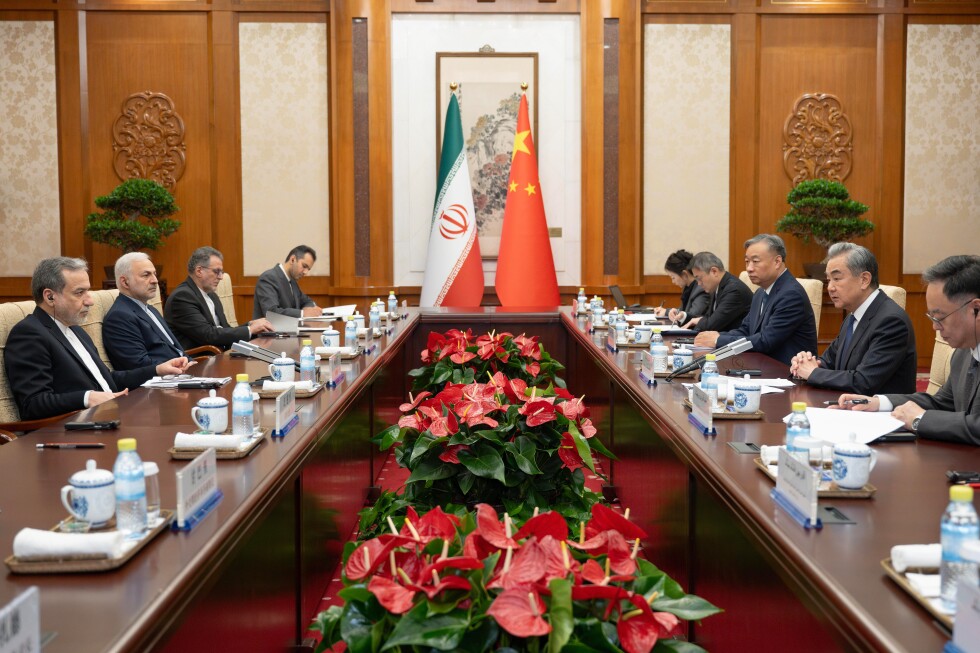
Across the developing world, the Iran conflict has handed Beijing an opening it is actively exploiting. Chinese state media have framed the US-led operations as evidence of Western overreach. Beijing has positioned itself as a neutral broker capable of mediating between Tehran and Washington, a role that expands its diplomatic footprint at American expense.
What happens next
The talks are expected to continue through Thursday. Whether the two leaders issue a joint communiqué, and what it says, will signal if they found common ground or merely agreed to keep talking.
US defense officials are separately preparing options for maintaining an Indo-Pacific presence even as Gulf operations continue. The intelligence assessment makes clear that the window for checking China’s advances is narrowing with each month the Iran conflict persists.

Theo Larkin
Defense correspondent covering US military operations, weapons procurement and the Pentagon. Reports from Washington.