Iran weighs US-backed truce framework as Pakistan signals deal close
Pakistani Foreign Ministry says deal is near. Iran is examining the package while Trump revives Project Freedom convoy and presses UN resolution.
Iran is reviewing a US-backed peace framework conveyed by Pakistani mediators that would freeze the Iran war in place while broader negotiations on uranium enrichment, sanctions relief and Strait of Hormuz transit continue, officials in Islamabad said Thursday.
Pakistani Foreign Ministry spokesman Tahir Andrabi told reporters in Islamabad that the parties were close to a temporary truce. “We expect an agreement sooner rather than later,” he said. “We hope the parties will reach a peaceful and sustainable solution that will contribute not only to peace in our region but to international peace as well.”
Iran has not committed to the framework. Iranian Foreign Ministry spokesman Esmaeil Baghaei told state television Wednesday that “Tehran was still examining the latest US proposal.” He added that Iran had “strongly rejected” the most expansive US demands first reported by Axios. The Axios package, according to that report, includes an Iranian moratorium on uranium enrichment, the lifting of US sanctions, the release of frozen Iranian funds and the reopening of the Strait of Hormuz to commercial shipping.
Trump used the days while the offer sat in Tehran to escalate his rhetoric. “If they don’t agree, the bombing starts, and it will be, sadly, at a much higher level and intensity than it was before,” the president posted on his social media platform Wednesday. He added in separate remarks: “We’re dealing with people that want to make a deal very much, and we’ll see whether or not they can make a deal that’s satisfactory to us.” On Thursday his administration revived the Project Freedom convoy operation through the Strait of Hormuz, returning a coercive lever to the table.
The Pakistani channel emerged after attempts at direct talks foundered last week. Iran has rejected face-to-face contact with US negotiators, citing Trump’s bombing threats. Saudi Arabia, the United Arab Emirates and Oman, all of which have mediated previous Iran files, are sidelined this round. Riyadh and Kuwait City spent the early part of the week blocking US sorties from their airbases over fears of Iranian retaliation, and only Thursday agreed to restore US airspace access after a Rubio call to Crown Prince Mohammed bin Salman.
What Tehran is saying
Tehran’s red lines are clearer than its acceptances. Iranian Foreign Minister Abbas Araghchi sent a letter Thursday to UN Secretary-General Antonio Guterres characterising a parallel US-Bahraini draft Security Council resolution on Hormuz as “one-sided and provocative.” He accused Washington of seeking to legitimise its own actions through the world body. “The current situation is directly and exclusively the result of their unjustified and illegal war of aggression,” he wrote. “The international community should not allow the Security Council to be abused by aggressors or turned into a tool for legitimizing illegal actions.”
Araghchi called on UN members not to support or co-sponsor the resolution. The letter was also addressed to Chinese Foreign Minister Wang Yi and Fu Cong, Beijing’s ambassador to the United Nations, in what Iran-watchers read as a signal that Tehran wants Beijing’s veto guaranteed before any wider deal is signed.
Iranian President Masoud Pezeshkian has stayed quieter. State television confirmed Wednesday that he met with Mojtaba Khamenei, the politically active son of Supreme Leader Ali Khamenei, signalling that the supreme leader’s circle is being briefed on the framework in stages.
The Beijing factor
Trump flies to Beijing on May 14 for a summit with Chinese President Xi Jinping. China and Russia have indicated they will veto the US Security Council resolution if it reaches a vote. Wang Yi met Araghchi in Beijing earlier this week and urged a swift reopening of the strait. Beijing reaffirmed Thursday its support for Iran’s civilian nuclear program.
Erin Murphy of Redpoint Advisors, a former US official, told reporters that the Beijing summit was unlikely to deliver dramatic Iran concessions from Xi. “I don’t think the Chinese are going to do anything to embarrass Trump,” she said. “It would just be more, you know, ‘we share views on stability.’” The summit will nonetheless test whether Trump can hold his Iran posture together while in Xi’s capital, with the Project Freedom convoy in motion and the UN resolution stalled.
What happens next
The Pakistani channel has set no formal deadline, and Islamabad has not said when it expects an Iranian answer. The first US-escorted Project Freedom convoy is expected to depart a holding zone off the United Arab Emirates coast Monday morning local time, putting the convoy operation in motion regardless of whether Tehran has signed.
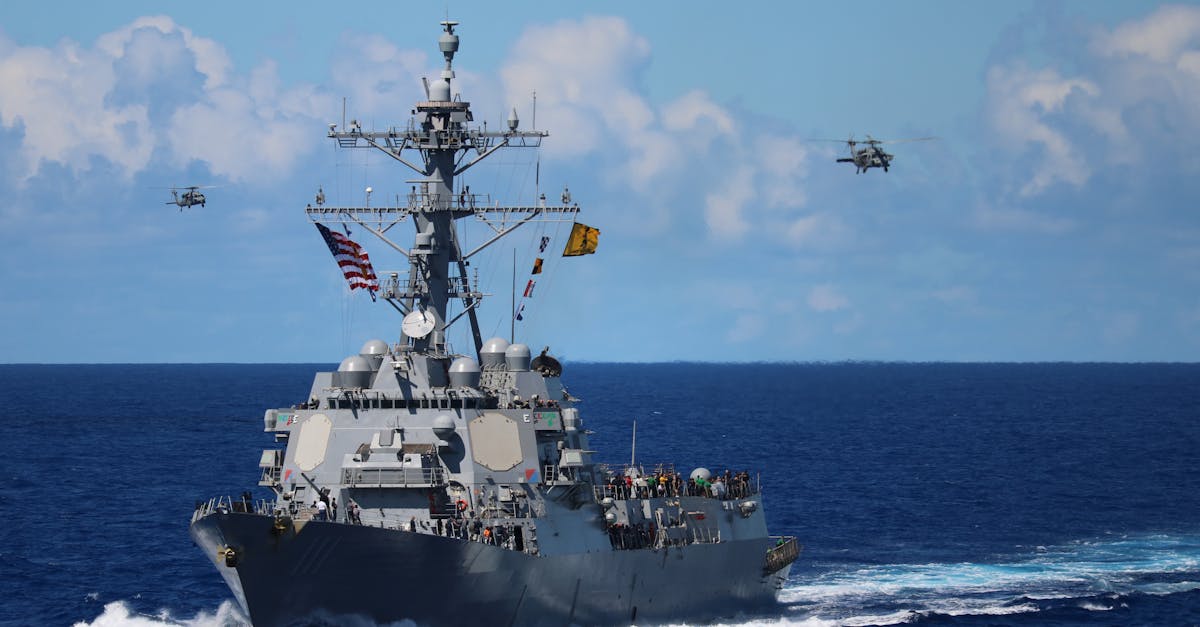
If Iran rejects the framework, Trump’s threatened escalation looms. Defense Secretary Pete Hegseth said Thursday that “American destroyers are on station, supported by hundreds of fighter jets, helicopters, drones and surveillance aircraft, providing 24/7 overwatch for peaceful commercial vessels.” If Tehran accepts, the harder fight begins on enrichment limits, frozen funds and US sanctions, and Pakistan’s role narrows. The Andrabi briefing suggests Islamabad believes acceptance is the more likely path.
Tehran, for now, has not said.

Yara Halabi
Foreign affairs correspondent covering the Middle East, the Gulf and US foreign policy. Reports from London.