Trade court strikes down Trump 10 per cent tariff on most imports
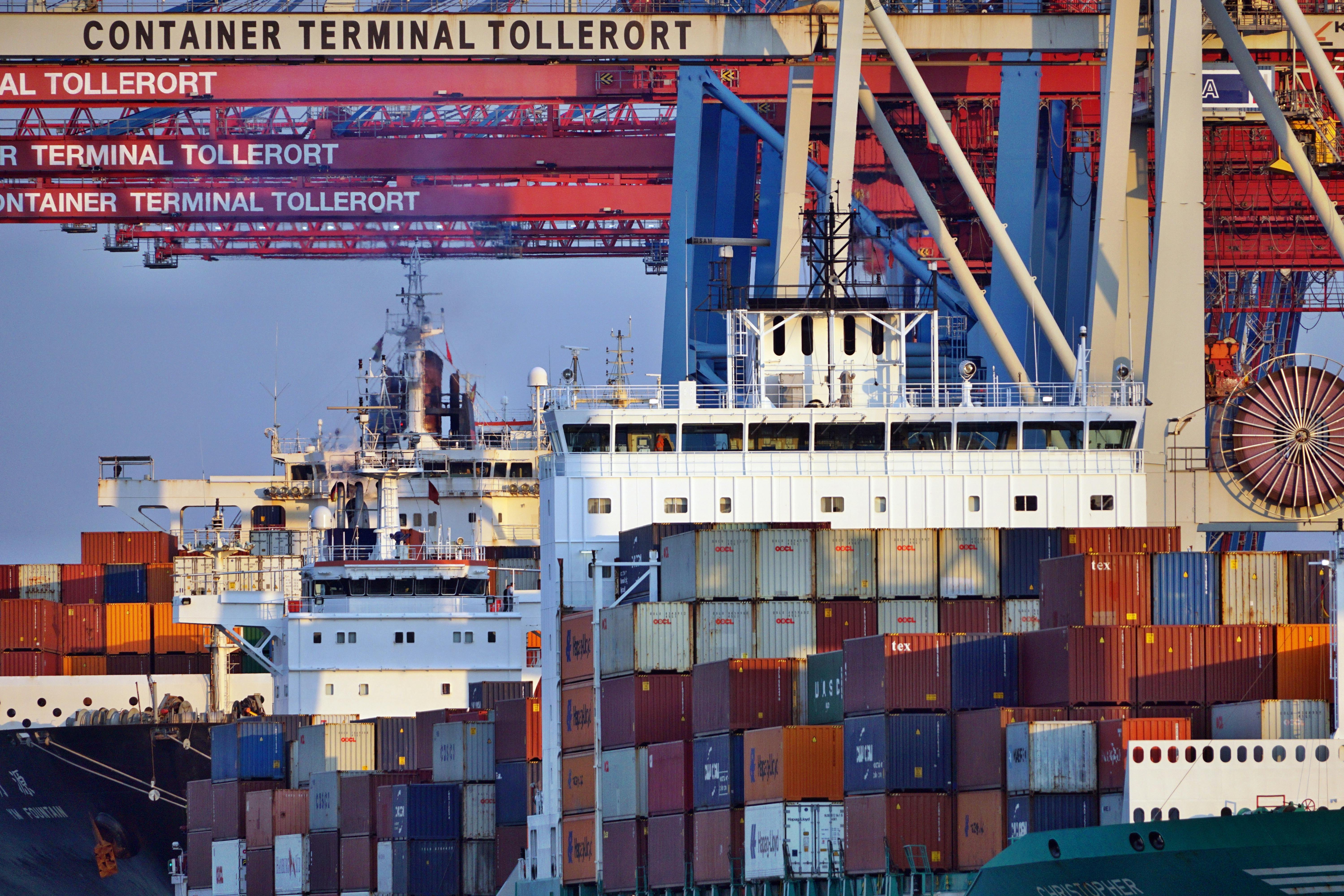
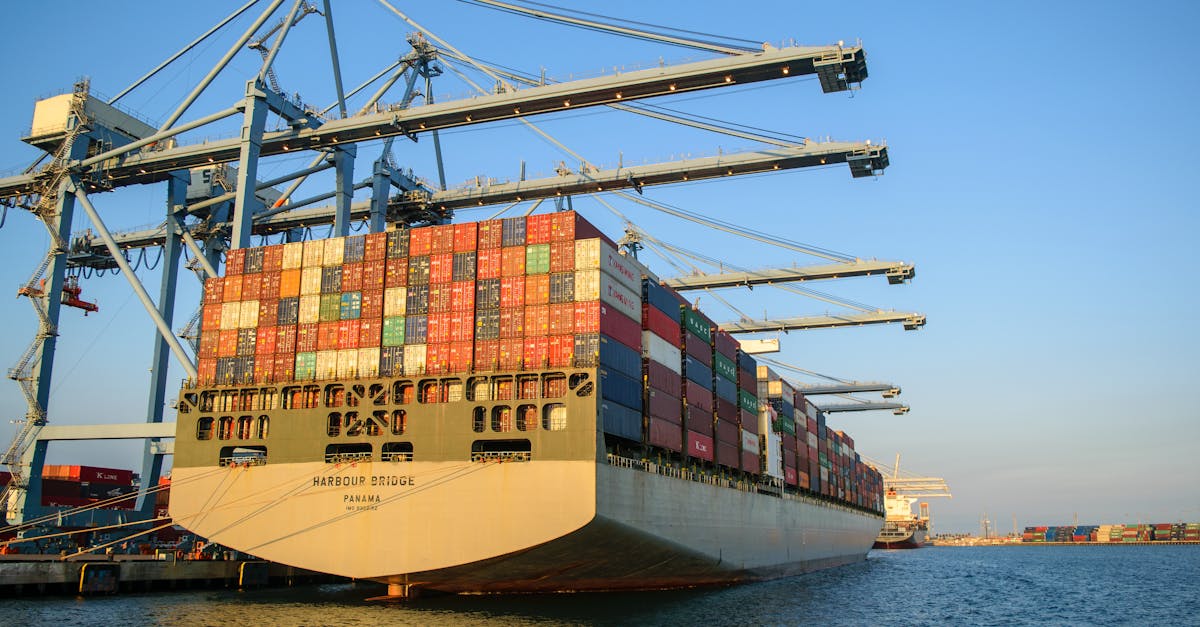
A federal trade court has voided President Trump's 10 per cent blanket tariff on most imports, the second major legal defeat for the administration's trade agenda this year. The 2-1 ruling found the White House had overstepped its authority by reimposing duties under a different statute after the Supreme Court struck them down.
A federal trade court has voided the legal foundation of President Trump’s 10 per cent blanket tariff, the second time in four months that judges have told the White House it cannot tax most imports without going through Congress.
The Court of International Trade ruled 2-1 on Thursday that the administration overstepped its authority when it reimposed the duties under Section 122 of the Trade Act of 1974. The court sided with small business plaintiffs who argued that the move was an attempt to revive tariffs the Supreme Court had already struck down in January.
That January ruling invalidated $166 billion in tariffs collected under the International Emergency Economic Powers Act, plus interest. The administration’s response, announced within weeks, was to reimpose the same 10 per cent rate on most imports under a different statute. Section 122 lets the president apply temporary tariffs of up to 15 per cent for 150 days during a balance-of-payments crisis. The White House argued such a crisis existed.
The trade court disagreed. Judge Maria T. Hernandez, writing for the majority, said the administration could not swap legal authorities to reach an outcome the Supreme Court had already rejected. The dissenting judge said Section 122 tariffs were legally distinct and should have been allowed to run their full course.
The Trump administration is expected to appeal. Legal experts said the appeal faces long odds because the Supreme Court’s January ruling was unusually direct in confining presidential tariff authority to statutes that name tariffs explicitly. A White House spokesman said the president was reviewing the decision and remained committed to protecting American industries.
Refunds underway
Even as the ruling came down, Treasury was already cutting checks. The CAPE refund portal, which went live on April 20, has enrolled 26,664 importers since launch. Together those filings represent roughly $120 billion in duties paid since the original tariffs took effect. Officials said they have processed 78 per cent of eligible entries.
Refund checks are not expected until later this summer. Treasury estimates a 45-day review period for each claim, followed by 60 to 90 days for cheque processing. Major retailers including Costco and FedEx have submitted refund requests. The $1 billion drop in tariff revenue recorded in April reflected the early stages of the refund process.
Phase one of CAPE covers entries liquidated within the preceding 80 days. Additional phases are planned for more complex refund scenarios, including drawback claims and older entries.
The economy underneath
The tariff fight has weighed on the broader economy. The national debt has climbed past $39 trillion since the Liberation Day tariffs took effect, an increase of roughly $3 trillion.
Bank of America this week projected what it called mild stagflation for 2026. The bank cut its US growth forecast by 50 basis points to 2.3 per cent and raised its headline inflation forecast to 3.6 per cent. Trade policy uncertainty and the Iran conflict were cited as the primary drivers.
The Labour Department reported that nonfarm payrolls have declined by roughly 19,000 since April 2025. The trade deficit jumped nearly 5 per cent in February to $57.3 billion. Consumer confidence has slipped sharply since the start of the second quarter.
Gasoline prices have crossed $4 a gallon nationally, according to AAA data, driven by the Iran conflict and tariff-related supply chain disruptions. Brent crude was trading around $104 a barrel this week.
Europe in the wings
The legal defeat lands as the administration faces growing trade tensions with Europe. Trump this month threatened to raise tariffs on EU cars and trucks to 25 per cent, accusing European leaders of failing to comply with the trade deal signed in July.
EU Parliament trade chief Bernd Lange called the threat unacceptable. “This is no way to treat close partners,” he said. Shares of Volkswagen and Stellantis fell on the news as investors priced in the potential for a transatlantic trade war.
The US-EU trade deal, which capped US tariffs at 15 per cent on most EU products, was already under strain after the Supreme Court struck down the IEEPA tariffs that had given the administration its primary leverage over European negotiators.
Pharma carveouts
The administration also announced 100 per cent tariffs on patented pharmaceuticals this month. Extensive carveouts allow companies to secure zero per cent rates by committing to build US facilities and signing Medicare drug pricing agreements. Companies have four to six months to comply. A senior administration official said “the lion’s share will be at zero.”
Bayer said it saw no need to adjust its 2026 forecasts, citing protections under the EU trade deal. AstraZeneca had already announced pricing agreements with the administration before the new tariff structure was unveiled.
What comes next
The appeals process could take months, leaving the tariff regime in legal limbo. If the administration loses on appeal, Congress would need to pass legislation to authorise the kind of broad tariff authority the president has sought. Several Republican senators have signalled reluctance to grant that authority, even as Trump has made trade policy a centrepiece of his second-term agenda. Democratic leaders have called for the tariffs to be permanently repealed.
The Supreme Court could ultimately decide the question. A ruling against the administration on appeal would set up the third major trade-policy case before the justices in under a year.

Ramona Castellanos
US politics correspondent covering Congress, primaries and the Trump administration. Reports from Washington.