Trump invites Apple, Nvidia and Exxon CEOs on Beijing trade mission
The Trump administration plans to invite CEOs from Apple, Nvidia, Exxon, Boeing and other major US companies to accompany the president to Beijing next week for trade talks with Xi Jinping aimed at extending a truce agreed in October.
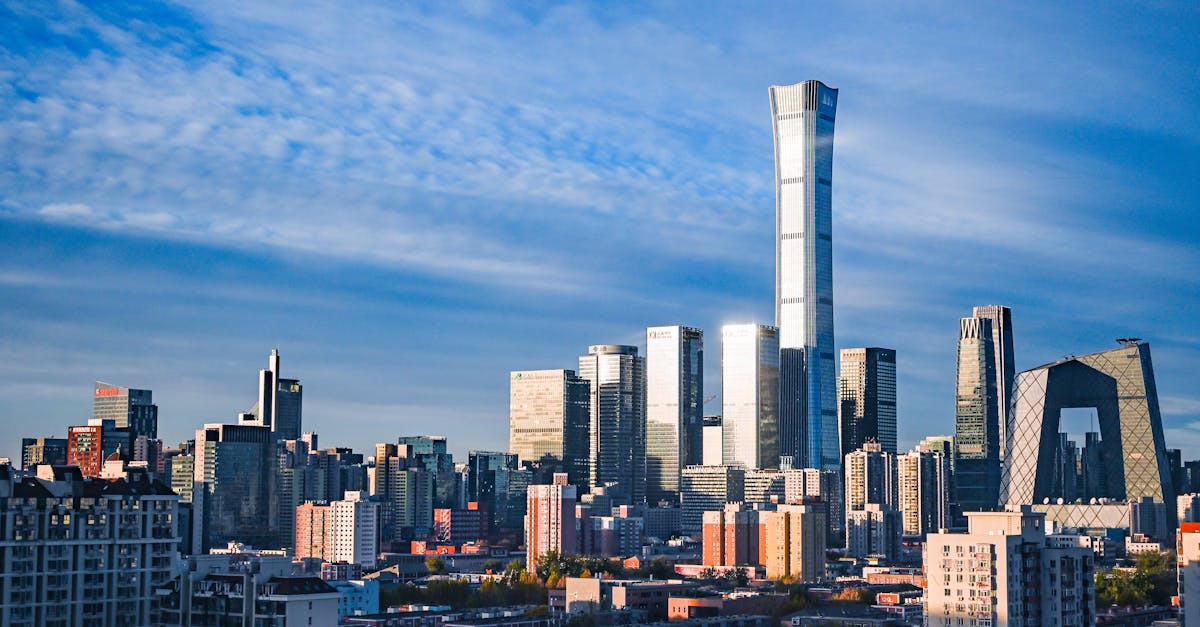
The Trump administration plans to invite CEOs from Apple, Nvidia, Exxon, Boeing and other major US companies to accompany the president to Beijing next week for trade talks with Chinese leader Xi Jinping, according to people familiar with the planning.
The White House is assembling a delegation that includes Apple chief executive Tim Cook, Nvidia’s Jensen Huang and Exxon’s Darren Woods for the trip scheduled May 14 and May 15, the first US presidential visit to China since 2017. Treasury Secretary Scott Bessent, Trade Representative Jamieson Greer and US Ambassador to China David Perdue are expected to join the talks.
The visit aims primarily to extend a trade truce agreed by Trump and Xi at their October meeting in South Korea. Negotiators on both sides are exploring a Board of Trade that would manage non-sensitive product flows within a tariff structure, a separate Board of Investment and an AI safety dialogue.
“I’d much rather do what we’re doing now, which is we’re going to talk to the Chinese, because we live in this world together,” Greer told reporters.
The list of invited companies remains fluid and is expected to grow as executives seek invitations. Qualcomm, Blackstone, Citigroup and Visa are also in consideration, according to administration officials. The invitation list has become a focus of lobbying in Washington and corporate boardrooms as companies vie for access to the discussions.
The business delegation
Tim Cook, who donated $1 million to Trump’s 2025 inaugural fund and presented the president with a plaque commemorating Apple’s $600 billion US investment pledge, is among the executives invited. He plans to transition to executive chairman on September 1.
Boeing is seeking to finalise an order for as many as 500 MAX aircraft during the trip, a deal that would be the largest US-China aircraft order in years. The planemaker’s China business has been in a prolonged downturn.
Nvidia’s Jensen Huang joins the delegation as the chipmaker faces continued US restrictions on semiconductor exports to China. The company has operated under export controls while retaining its lead in the AI chip market.
The diplomatic context
Trump arrives in Beijing after a stalemate in the Iran conflict, a factor administration officials acknowledge has weakened the president’s diplomatic hand. China has largely sat out the conflict and described itself as a stabilising force compared to what it calls an increasingly erratic America.
Xi’s primary concern beyond trade is pressing Washington to harden its language on Taiwan, according to officials familiar with the planning. The Chinese leader wants the US to indicate it “actively opposes independence for the island,” a formulation that would go beyond current US policy.
Curtis Chin, chairman of the Milken Institute, said the meeting itself carried diplomatic weight. “Just that they’re meeting is a very important accomplishment,” he said.
What is on the table
A proposed Board of Trade would create a mechanism for managing tariffs on non-sensitive goods. A companion Board of Investment would facilitate cross-border deals in sectors both sides agree are strategic.
Both sides are also discussing an AI safety dialogue, similar to the US-China track launched by the Biden administration. The dialogue would cover risks around advanced AI models and establish protocols for incident reporting.
One item that remains off the table: allowing Chinese electric vehicle makers to build factories in the United States. Administration officials said that proposal faces strong opposition from domestic auto manufacturers and labour unions.
What happens next
The delegation is expected to depart Washington on May 13 and return on May 16. The White House has not confirmed the final list of attendees. The Justice Department, which reviews foreign travel by corporate executives, has been briefed on the planning.
“We’re not going to have CEOs be on these boards, so don’t ask,” Greer said, referring to the proposed trade and investment boards. The administration plans to staff the bodies with government officials rather than corporate representatives.
The trip comes as the US trade deficit with China has narrowed modestly over the past year, though the structural imbalances that have characterised the relationship for two decades remain largely unchanged.

Yara Halabi
Foreign affairs correspondent covering the Middle East, the Gulf and US foreign policy. Reports from London.