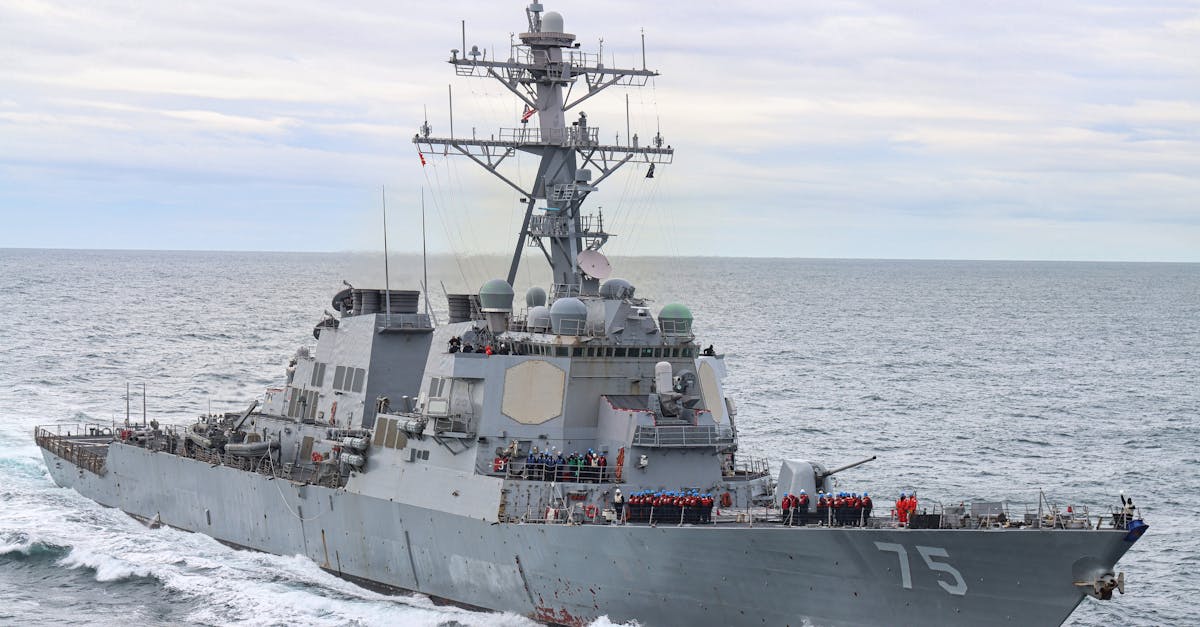
Trump eyes Italy and Spain for next round of NATO troop cuts
President Trump is weighing further US troop withdrawals from Europe, with Italy and Spain in the frame after 5,000 service members were pulled from Germany. Allied capitals are bracing for the announcement and coordinating contingency plans as Madrid faces particular pressure.
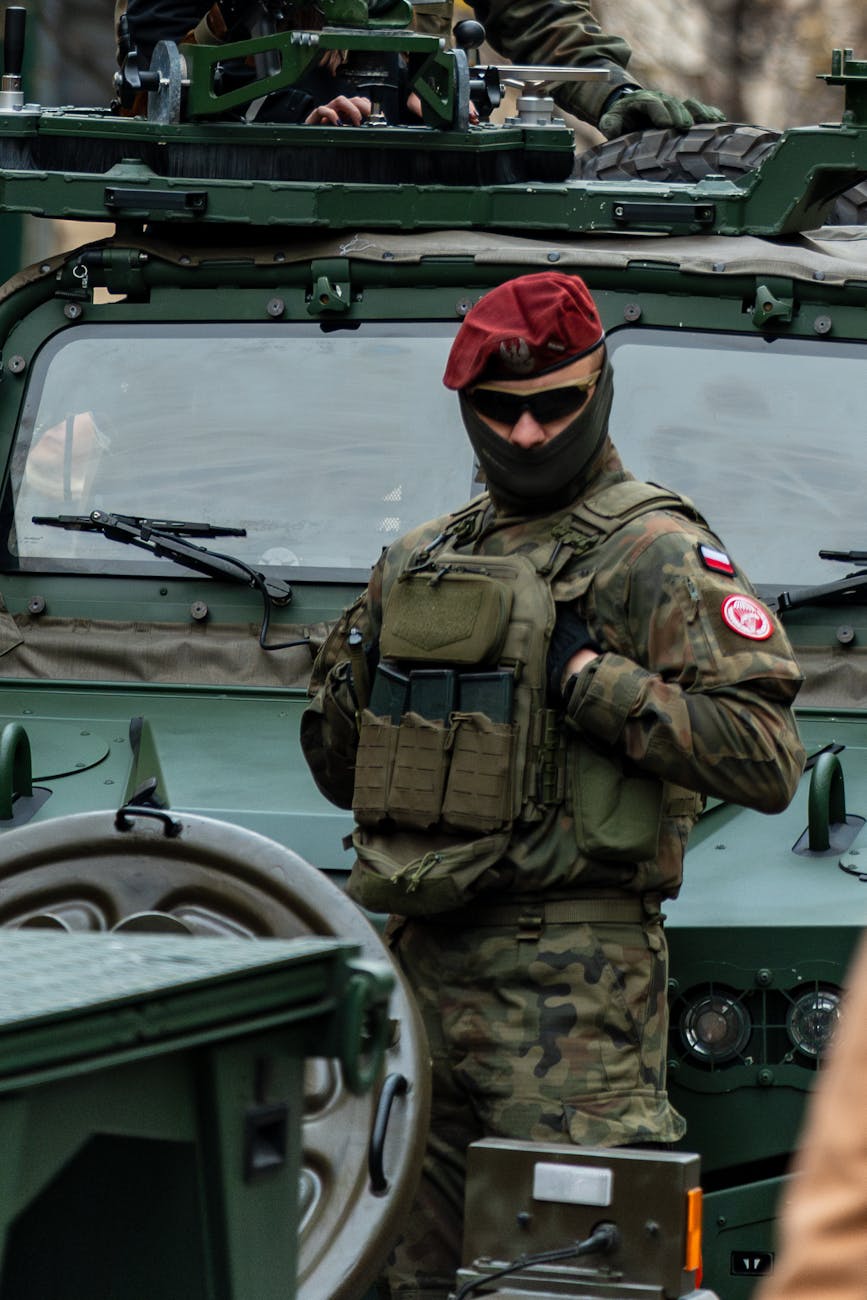
President Donald Trump is weighing further cuts to the United States military presence in Europe, with Italy and Spain in the frame for the next round of withdrawals after 5,000 service members were pulled from Germany, a Bloomberg report said on Saturday.
About 85,000 American military personnel are currently stationed across the continent, the lowest level in two generations and a fraction of the 250,000 deployed in Germany alone at the Cold War peak in the 1980s. Allied capitals expect the next reductions to target bases in Italy and Spain, with possible thinning of forces in Poland to follow, according to reporting cited by Daily Beirut.
Marco Rubio, the US Secretary of State, signalled this week that further reductions were possible when asked about Italy and Spain. “And why not?” Rubio said, adding that “Spain has been very bad”. He cast NATO basing in transactional terms, saying it was justified by “the ability to deploy forces in Europe and use it as a launching pad toward other regions”, including the Middle East, Africa and Central Asia.
What Berlin and Rome are saying
Friedrich Merz, the German Chancellor, has yet to publicly contest the 5,000-troop withdrawal Trump announced earlier in the month, though Berlin remains the most exposed European capital under the new posture. Trump has also cancelled a Biden-era deployment of long-range missiles to Germany, removing a deterrent capability European officials had counted on against Russia.
Antonio Tajani, the Italian Foreign Minister, has stressed the continued value of the American presence to allied security, but stopped short of conceding any reduction was imminent. Italian officials have privately told allies they expect formal notice of any cuts only after Trump publicly settles his complaint with Madrid, the people said.
Spain has been singled out by the administration after Madrid was exempted from the 5 per cent of GDP defence spending pledge agreed at the NATO summit in The Hague in June 2025. Bases at Rota and Morón, key staging points for US naval and air operations into the Mediterranean and West Africa, are seen by analysts as the most likely targets if Washington moves to penalise Spain operationally.
Allies divide on response
Radoslaw Sikorski, the Polish Foreign Minister, played down concerns about the alliance’s future on Saturday, telling reporters that “as long as Europe keeps its military spending commitments, there’s no need for alarm about NATO’s future”. His comment came a day after the Bloomberg report and reflected Warsaw’s preference for continued American deployment along the eastern flank.
Anna Kelly, the White House Spokesperson, defended the administration’s posture by claiming “some military requests had been denied by European governments”, a charge Berlin and Madrid have rejected. The White House has not specified which requests were refused.
Keir Starmer, the British Prime Minister, has avoided public comment on the latest Bloomberg disclosures but London is understood to be coordinating closely with Paris and Berlin on a contingency planning exercise. UK officials have been pushing privately for a “tiered” alliance arrangement that locks in American basing in northern Europe in exchange for accelerated European defence spending elsewhere.
A bloated architecture, or never more relevant
In Washington, the debate has hardened along familiar lines. Retired Lieutenant General Keith Kellogg, a former Trump special envoy for Ukraine and Russia and now co-chair of the Center for American Security, has argued the alliance has outgrown its usefulness. “Maybe you ought to talk about a tiered relationship with NATO,” Kellogg said, describing the bloc as “a very bloated architecture” that has expanded from 12 to 32 members. He was scathing about European militaries themselves: “Their equipment, they’re kind of like B players or C players. It’s not the first line of work.”
John R. Deni, a research professor at the US Army War College, told Fox News the opposite. “It has never been more relevant,” Deni said of NATO’s value to American security, citing the alliance’s role in intelligence, surveillance, logistics and nuclear deterrence in an environment shaped by Russian aggression and Chinese strategic competition.
NATO Secretary General Mark Rutte has not directly responded to the latest reporting but is expected to use a meeting of defence ministers in Brussels later this month to press capitals to lift air and missile defence capacity fivefold, a drive intended to show European members can compensate for any American drawdown.
What it means for the Pentagon
The renewed troop debate lands as Defence Secretary Pete Hegseth is already managing a USD 1.5 trillion Pentagon budget under which weapons makers are being pressed to fund their own factory expansions. Pulling forces from Europe frees personnel and equipment for Indo-Pacific rotations, a long-stated administration priority, but military planners caution that pre-positioned stocks and basing rights in Italy and Spain are not easily replicated elsewhere.
Congressional restrictions, including reporting requirements imposed under the National Defense Authorization Act, may slow any large-scale repositioning. Several senior Republican senators on the Armed Services Committee have signalled they will demand classified briefings before further reductions are confirmed.
European industry has begun adjusting. France, Germany, Italy and Poland are accelerating procurement of long-range strike missiles and integrated air defence systems, partly to fill the gap left by the cancelled US deployment in Germany. Officials acknowledge those programmes will take years to deliver at scale.
The administration is still managing the fallout from the recent Iran war and Strait of Hormuz crisis, and a public rupture with Madrid or Berlin would carry domestic costs at a moment when voter approval of Trump’s economic record has slipped. Whether the next withdrawal announcement comes in days or weeks, allied capitals are now planning on the assumption that it will come.

Theo Larkin
Defense correspondent covering US military operations, weapons procurement and the Pentagon. Reports from Washington.
Related
NATO braces for deeper Trump troop pullback after Germany cuts
Taiwan defense budget stalls for third time as Trump-Xi summit nears

Iran warns of attack on US bases after tanker strikes test ceasefire

US awaits Iran ceasefire response as Rubio meets Qatari mediators