Aramco Q1 profit rises 26pc as pipeline offsets Hormuz closure
Saudi Aramco reported a 26 per cent rise in first-quarter adjusted net income to $33.6 billion, beating analyst estimates. The crude price surge that followed the closure of the Strait of Hormuz flowed through to the state oil giant's bottom line.
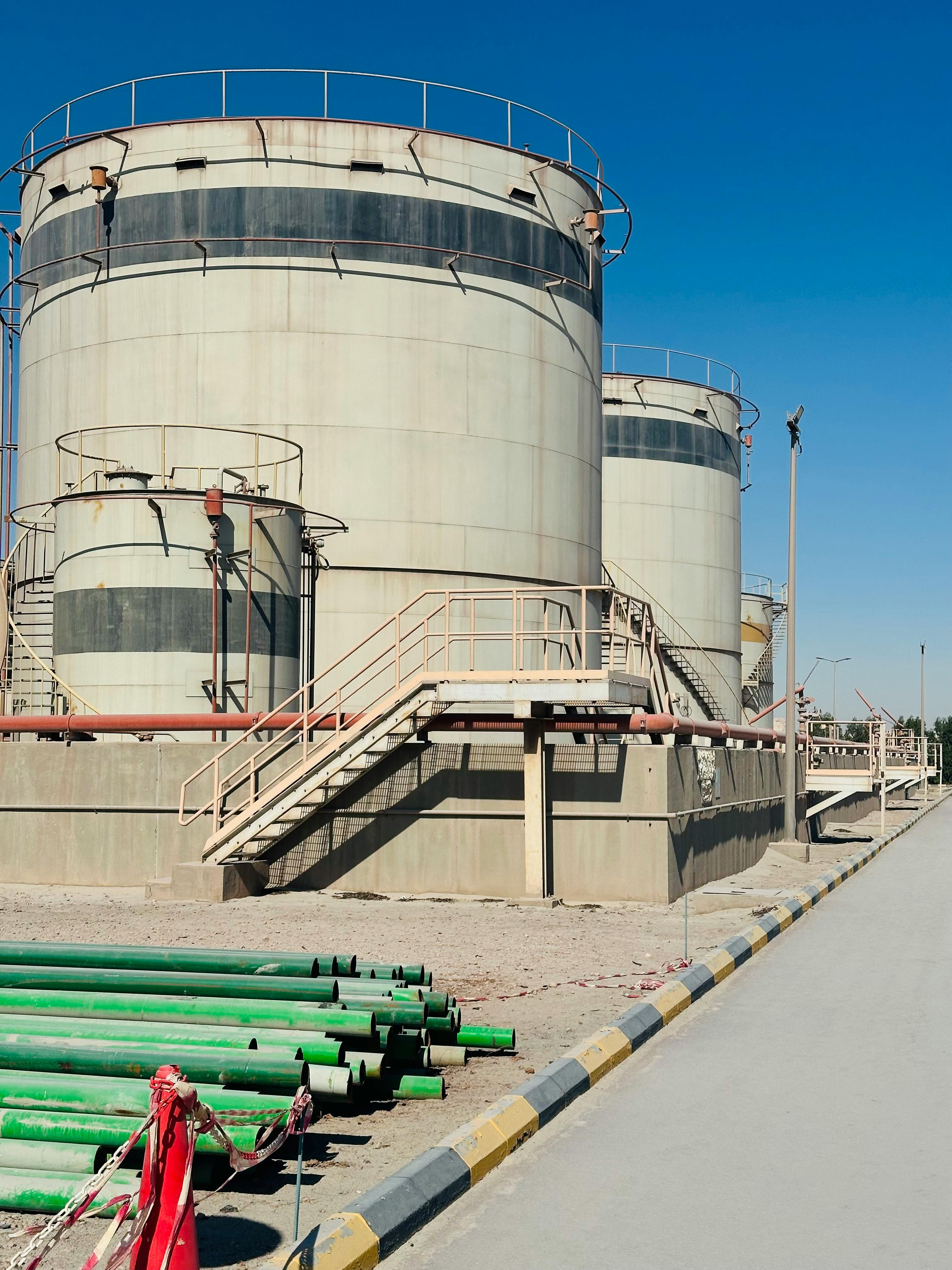
Saudi Aramco reported a 26 per cent rise in first-quarter adjusted net income on Saturday, beating analyst estimates as crude prices surged after Iran’s effective closure of the Strait of Hormuz in March.
Net income reached 126 billion Saudi riyals, or $33.6 billion, for the three months to 31 March, up from roughly 100 billion riyals a year earlier. The result beat the median analyst forecast of 109 billion riyals, according to a Bloomberg survey, by about 16 per cent. Total revenue climbed to 433.10 billion riyals from 405.65 billion riyals in the same quarter of 2025.
The result is the first full-quarter earnings snapshot of how the world’s largest oil exporter has navigated the disruption that followed US and Israeli strikes on Iranian nuclear facilities in late February and the subsequent mining of the Strait of Hormuz by Iranian forces. The strait, through which roughly a fifth of global oil consumption normally transits, has been effectively closed to tanker traffic since early March.
Amin Nasser, Aramco’s chief executive, said the company’s East-West pipeline, which runs 1,200 kilometres from the Gulf coast to the Red Sea terminal at Yanbu, had absorbed much of the shock.
“The East-West pipeline reached maximum capacity of 7 million barrels per day during the quarter, helping to offset shipping constraints in the Strait of Hormuz,” Nasser said.
Saudi Arabia has redirected a growing share of its crude exports through Yanbu since the Hormuz closure, bypassing the chokepoint entirely. By the end of March, crude exports had recovered to about 5 million barrels per day, roughly 70 per cent of prewar levels, according to Bloomberg data. The recovery trajectory suggests the kingdom can maintain roughly two-thirds of its export revenue even with the strait blocked, a capability no other Gulf producer can match.
The price windfall
Brent crude, the international benchmark, rose more than 43 per cent in March alone and touched four-year highs near $100 a barrel in the weeks after the Hormuz closure. Aramco’s realised crude price averaged $76.90 a barrel in the first quarter, compared with $64.10 in the fourth quarter of 2025 and $76.30 in the same period a year earlier.
The higher price environment more than compensated for the volume disruption. Revenue growth reflected higher prices and volumes sold of crude oil, refined products and chemical products, the company said, though the gain was partly offset by higher operating costs, income taxes and zakat, the Islamic wealth tax.
AlJazira Capital had projected net profit of 108.8 billion riyals, or $29.01 billion, in a pre-results note that flagged both the crude price tailwind and the east-west export flexibility as supports for earnings. The actual result came in 16 per cent above that forecast. Even analysts who had correctly identified the pipeline’s mitigating role underestimated the scale of the price boost in March.
The result points to a structural advantage Aramco holds over other Gulf producers: its dual-coast export infrastructure. While Iraq, Kuwait, and Qatar remain dependent on the Strait of Hormuz for nearly all their crude exports, Saudi Arabia can route at least 7 million barrels per day through the Red Sea. That redundancy has insulated the kingdom’s revenue stream during the most significant disruption to Gulf energy shipping in decades.
Export volumes and the Yanbu shift
Crude volumes sold were higher year on year but lower quarter on quarter, a result of the disruption to Gulf loadings in February and early March before the Yanbu rerouting was fully scaled up.
The National reported that Aramco’s revenue from crude oil and refined products both increased, with the mix shifting toward higher-value refined fuels as European buyers, cut off from Iranian and Iraqi supply, bid up spot cargoes from Red Sea terminals. Refining margins globally have widened since the crisis began, which provided a second layer of earnings support beyond the crude price rally.
Riyadh has not disclosed the precise destination split of its first-quarter exports, but shipping data compiled by Vortexa and Kpler suggests a sharp pivot toward European and Asian buyers served via the Red Sea route. Gulf-origin shipments to Asian term customers were partially maintained through the pipeline-to-Yanbu corridor, with Aramco honouring most of its long-term contracts by rerouting rather than invoking force majeure.
The company’s free cash flow, capital expenditure, and dividend outlook were not detailed in the initial earnings release. Aramco typically provides fuller financial disclosure in its quarterly filing to the Saudi Stock Exchange, or Tadawul, which is expected in the coming days.
The dividend is a critical line item. The Saudi government owns roughly 90 per cent of Aramco and relies on its payouts, along with oil royalties and taxes, as the single largest contributor to state revenue. Aramco’s board committed to a $124 billion annual dividend for 2025, consisting of a base component of roughly $81 billion and a performance-linked top-up. The first-quarter result suggests the performance-linked tranche is secure, which matters for the fiscal math behind Riyadh’s Vision 2030 spending programme.
What happens next
The earnings report lands at a moment of acute uncertainty for global energy markets. The closure of the Strait of Hormuz has reconfigured crude flows in ways that are unlikely to reverse quickly, even if diplomatic efforts to restore safe passage succeed.
Iran and the United States remain locked in a standoff that has included US strikes on two Iranian vessels and Iranian warnings of further attacks if the ceasefire frays. Insurance costs for Gulf-bound tankers remain prohibitive, and most major shipping lines continue to avoid the strait entirely.
For Aramco, the near-term outlook depends on two variables: whether Brent sustains above $90 a barrel, and whether the East-West pipeline can continue operating at maximum throughput without interruption. On the first quarter’s evidence, the company has demonstrated it can deliver earnings growth even with export volumes running significantly below pre-crisis levels, provided the price signal remains elevated.
The kingdom’s OPEC-plus strategy adds a further dimension. Saudi Arabia has so far resisted pressure from consuming nations, including the United States, to accelerate production increases beyond the group’s scheduled unwinding of voluntary cuts. That posture has helped support prices but has drawn criticism from Washington, where officials argue that higher pump prices risk stalling disinflation progress as the broader macroeconomic outlook strains under trade policy uncertainty and the Warsh nomination at the Federal Reserve.
Aramco’s maximum sustainable capacity of 12 million barrels per day remains well above its current output, giving Riyadh strategic headroom it has not yet chosen to use. Whether and when the kingdom deploys that capacity will shape the next phase of the global oil price cycle and Aramco’s earnings trajectory through the remainder of 2026.
Shares of Aramco on the Tadawul were up 1.2 per cent in early trading on Saturday following the release. The stock has added roughly 8 per cent since the start of the year. At current levels, Aramco is valued at approximately $7.8 trillion, the world’s most valuable listed company by a wide margin.
The Tadawul filing, expected within days, will provide the first detailed look at how the crisis has affected Aramco’s downstream operations, including its refining joint ventures and chemicals division, which are more exposed to global demand conditions than the upstream crude business.

Pria Kothari
Energy and commodities correspondent covering OPEC, oil markets and the Gulf. Reports from London.