Brent retreats below $111 as UAE exit eases supply jitters
Brent crude prices fell 3.6 per cent to $110.4 a barrel on Tuesday as traders weighed the UAE's departure from OPEC against the war in Iran and another round of Iranian missile and drone strikes against Gulf shipping.
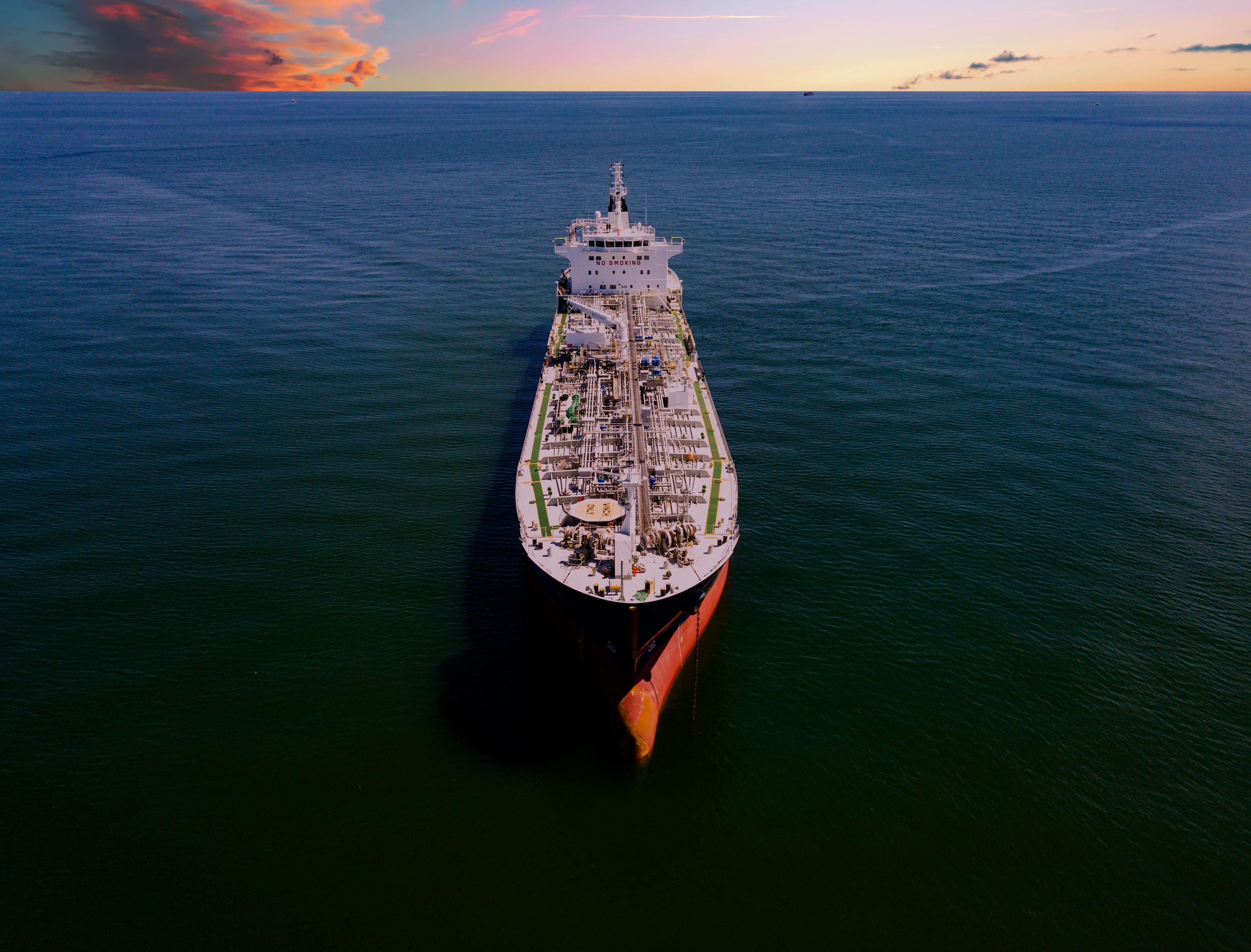
Brent crude prices fell sharply on Tuesday, sliding 3.6 per cent to $110.4 a barrel from a four-week peak, as traders weighed the United Arab Emirates' departure from OPEC against the war in Iran and another round of Iranian missile and drone strikes against Gulf shipping.
The drop in Brent was matched by US benchmark West Texas Intermediate, which fell 3.7 per cent to $102.5. The OPEC basket price closed Monday at $116.5 a barrel, down 3.8 per cent, while gasoline futures dropped 2.7 per cent on the day.
The reversal followed a 6 per cent surge on Monday after Iran fired missiles at the UAE port of Fujairah and at US Navy vessels near the Strait of Hormuz. Tuesday's losses came as the UAE began signaling it would accelerate production once Hormuz reopens, ADNOC announced $55 billion in new project awards, and traders concluded that the additional medium-term supply would partially offset the war premium that has dominated pricing for two months.
"Geopolitics eclipses UAE's exit from OPEC," analysts at Société Générale wrote in a client note. "Brent prices rose nearly 4 per cent on the day the UAE announced its exit from OPEC and OPEC+, as Hormuz-related disruptions continued to dominate sentiment."
Hormuz still effectively closed
The Strait of Hormuz, which carries roughly a fifth of the world's seaborne crude, has been almost entirely shut since the United States and Israel attacked Iranian targets on Feb. 28. Iran has used mines, drones, anti-ship missiles and fast-attack craft to choke off the waterway. The US Navy is now escorting commercial vessels through the strait under an operation Trump has dubbed Project Freedom, but volumes remain a fraction of pre-war levels.
Goldman Sachs said on Tuesday that global oil inventories had fallen to an eight-year low. Chevron's chief executive Mike Wirth warned in an investor call last week of "emerging physical shortages" in some grades. California gasoline prices have surged past $6 a gallon for the first time since 2022. The American Petroleum Institute on Tuesday confirmed "very large" draws on US crude and product inventories in the past week.
Iraq has begun offering deep discounts on shipments routed through Hormuz, and India has condemned an Iranian attack on Fujairah that delayed an oil cargo bound for Mumbai. Pakistan imported its first LNG cargo in weeks on Sunday, partly relieving pressure on its energy crisis.
The Atlanta Fed's GDPNow tracker on Monday cut its projection for second-quarter US growth by half a percentage point, citing energy-driven inflation as the main drag. The International Monetary Fund's managing director, Kristalina Georgieva, told reporters on Tuesday that even an immediate end to the conflict would require "three to four months" before its economic effects passed through. "$125 oil could tip the global economy into recession," she added.
UAE exit changes the math
The UAE's withdrawal from OPEC, formalised on May 1, was the second major structural shift in three weeks. ADNOC plans to lift production capacity to 5 million barrels per day by 2027, up from around 3.5 million bpd today, and is fast-tracking pipelines from Abu Dhabi to the port of Fujairah, bypassing Hormuz altogether.
For commodity desks, the immediate question is whether the additional UAE supply pulls prices lower in the second half of 2026 or gets absorbed by recovering demand from Asia. Wood Mackenzie's analysts said in a Tuesday note that "the UAE is in a unique economic position to walk away from OPEC" given its low fiscal breakeven and substantial spare capacity.
The longer-term question is whether the UAE's exit forces a Saudi-led price war designed to punish Abu Dhabi for breaking with the cartel. Such a war would mean OPEC+ producers, led by Riyadh, deliberately overproducing to crush prices, gambling that the UAE's economy could not withstand a sustained period at $60 a barrel or below. MB Commodities said in an interview this week that the UAE was now signaling a "quota-free, revenue-maximising pumping" posture that would inevitably draw a Saudi response.
For US drivers, neither scenario delivers near-term relief. With Hormuz still closed and the Iran war showing no sign of ending, the US average gasoline price has climbed past $4.80 a gallon, up from $3.10 before the war began. Refining margins remain elevated. The Treasury announced on Friday that it would issue the first round of Trump tariff refunds within two weeks, easing pressure on some categories of imported goods, but energy prices have largely overwhelmed those gains for the median household.
The Fed's preferred inflation gauge, the personal consumption expenditures index, jumped seven-tenths of a percentage point to 3.5 per cent for the year ending in March. That is the highest reading since May 2023 and a key reason the central bank held rates unchanged at last week's policy meeting. Investors are no longer pricing in any rate cut this year. The implied odds of a rate increase by December, by contrast, have risen above 30 per cent.
For now, the oil tape is being driven by two competing forces. Iran's continued strikes and the closure of Hormuz keep a war premium of roughly $30-$40 a barrel embedded in Brent. The UAE's exit and ADNOC's $55 billion build-out promise additional medium-term supply that should weigh on long-dated futures. Traders are choosing between those two stories every hour. On Tuesday, the second story won.

Marcus Holloway
Markets editor covering UK gilts, sterling and the Bank of England. Previously a fixed-income strategist in the City.