UAE's exit from OPEC redraws the global oil order
The UAE's withdrawal from OPEC, made effective May 1, has knocked the third-largest producer out of the cartel and tilted Gulf geopolitics toward Washington. ADNOC accelerated $55 billion in project awards as it pushes capacity to 5 million bpd by 2027.

The decision by the United Arab Emirates to leave OPEC, made effective on May 1, has knocked the third-largest producer out of the cartel, removed almost all of its remaining spare capacity, and tilted the geopolitics of the global oil market toward Washington at a moment of acute strain in the Gulf.
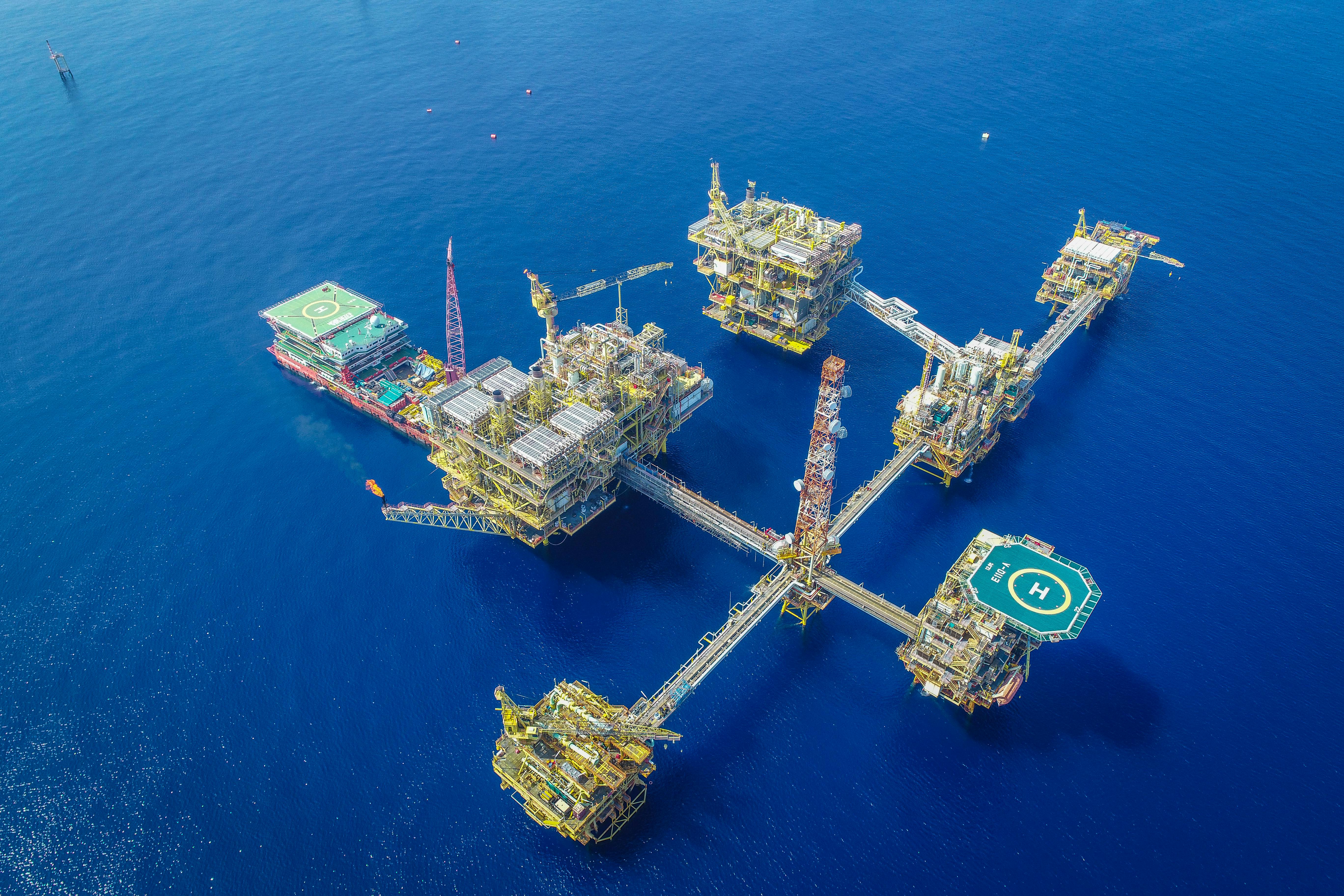
The Abu Dhabi National Oil Company (ADNOC) on Sunday accelerated $55 billion in upstream and downstream project awards over the next two years, part of a broader $150 billion capital plan, as it positions to push production capacity to 5 million barrels per day by 2027. The UAE currently pumps around 3.5 million bpd, a level it had been forced to hold below for years by OPEC quota arrangements with which it openly chafed.
The departure leaves OPEC with 11 members responsible for roughly 33 per cent of world crude output, down from 40 per cent at the cartel's founding in 1960. The group's loss of pricing power compounds with the fact that the UAE was, alongside Saudi Arabia, one of only two members with meaningful spare capacity to put on the market. Many analysts question whether Saudi Arabia genuinely retains that buffer at all.
For Washington, the UAE's exit is a strategic prize. President Donald Trump welcomed the move last week, calling it "great" and predicting it would help to bring down oil prices. "I think it's great," Trump said. "And ultimately a good thing for getting the price of gas down, getting oil down, getting everything down. They're having some problems in OPEC."
Why Abu Dhabi walked
Two motivations drove the UAE out. The first is commercial. The country has spent years building production capacity it could not use under the OPEC+ quota regime, and the financial cost of leaving that capacity idle was rising. Sultan Al Jaber, the ADNOC chief executive and UAE minister of industry, framed Sunday's $55 billion announcement in delivery terms. "ADNOC is entering a defining execution phase in its strategy, driven by scale, pace and a laser-focus on delivery," he said.
The second is geopolitical. In comments at the Gulf Influencers Forum on April 27, Anwar Gargash, diplomatic adviser to UAE President Mohamed bin Zayed, said the Gulf Cooperation Council had failed to coordinate a credible response to recent Iranian attacks. "The GCC's position is the weakest in history, considering the nature of the attack and the threat it poses to everyone," Gargash said. He stressed that Iran, not Israel, remains the principal strategic threat to the Gulf, and that the United States is more important than ever as a security and economic partner.
That alignment is no accident. The UAE was the first major Gulf state to sign the Abraham Accords with Israel in September 2020 and has maintained its diplomatic ties to Jerusalem despite the upheavals of the past two years. It has also become Washington's preferred partner in deepening US-India energy and security ties, an axis the Trump administration views as a counterweight to China in the Indo-Pacific.
ADNOC's $55 billion bet
Wood Mackenzie, the energy consultancy, said the UAE was uniquely placed to leave OPEC. "The UAE is in a unique economic position to walk away from OPEC," its analysts wrote last week. "It has a much larger share of unused productive capacity compared with other members, which, without the current restrictions, it can put to use."
The consultancy added that the UAE has "much lower fiscal oil price breakevens relative to its peers, leaving its economy relatively resilient and better able to sustain a potential period of low prices" — a reference to the possibility that Saudi Arabia could try to discipline the UAE with a price war.
ADNOC said the $55 billion in new project awards would prioritise UAE-based manufacturers and contractors, reinforcing local industrial capacity. The plan covers offshore and onshore field developments, refining, petrochemicals, and gas. ADNOC has also signaled it will pursue new pipelines from Abu Dhabi's oilfields to the port of Fujairah, on the Gulf of Oman, bypassing the contested Strait of Hormuz.
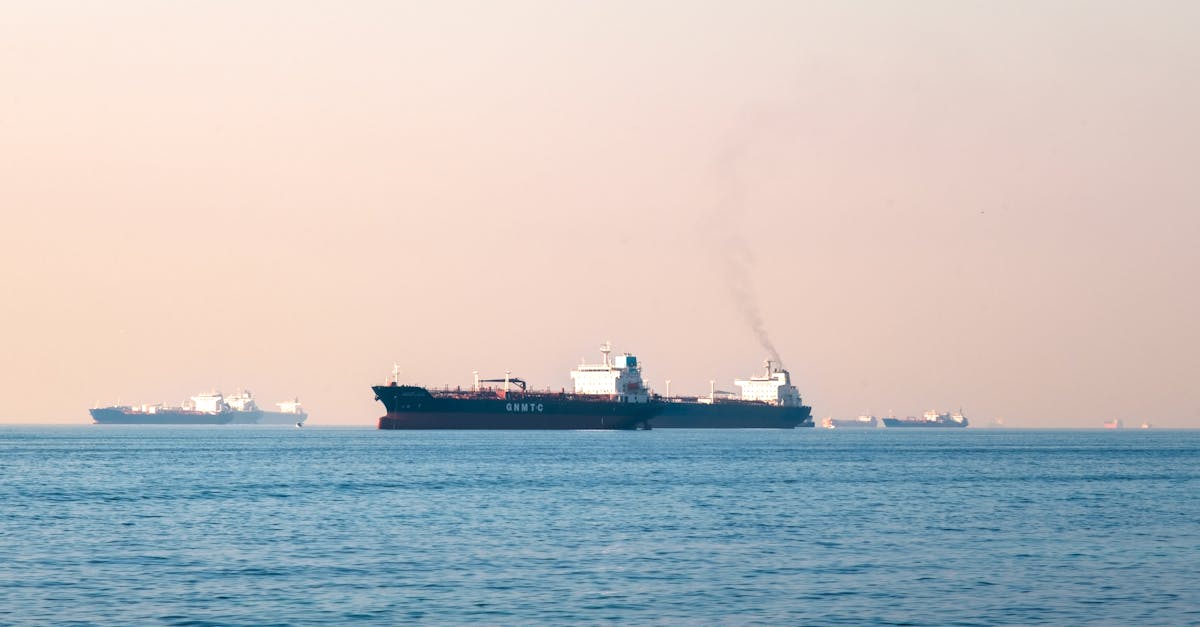
That last piece is where geopolitics meets capex. Hormuz has been almost entirely closed since late February as a result of the Iran war, and Iranian attacks on UAE shipping have continued through this week. Building infrastructure that can move oil to international markets without transiting the strait has become a strategic priority for both Abu Dhabi and Washington.
What it means for OPEC+
The harder question is what the UAE's exit does to OPEC+, the broader alliance that has included Russia since 2016 and that Washington has long regarded as a more potent threat than OPEC itself. OPEC+ was created after Saudi Arabia's failed attempt in 2014-16 to bankrupt the US shale industry by overproducing. Bringing Russia in gave the cartel the heft to lift prices and rebuild member balance sheets.
The UAE's departure dilutes that heft. Venezuela, where Washington removed President Nicolás Maduro in January, is widely expected to leave OPEC next. Together, those moves leave Moscow's influence within OPEC+ measurably diminished, alongside Saudi Arabia's. Analysts at MB Commodities argued in interviews this week that the UAE was now signaling "quota-free, revenue-maximising pumping once logistics normalise," a posture that would weaken OPEC+ pricing discipline still further.
The risk Riyadh faces is straightforward. If the UAE is permitted to pump at will outside the cartel, other members may push for higher quotas or follow the UAE out. A Saudi-led price war to punish the UAE remains possible. Such a war would slash prices and squeeze Iran and Russia at a time when both economies are under pressure — outcomes that, as Trump has said publicly, are exactly what the United States wants.
The market reaction
Brent crude has been trading in the $110-$120 range during the Iran war and was at $110.4 a barrel on Tuesday afternoon, down 3.6 per cent on the day as traders absorbed the UAE news and the prospect of additional medium-term supply. Société Générale's commodity team said in a Tuesday note that Hormuz-related risk premia continued to dominate spot pricing, but that the UAE exit was "a structural development" that would weigh on the long end of the futures curve.
In the short term, the UAE cannot capitalise on its newfound freedom. With Hormuz closed, no Gulf producer is in a position to lift output, and many have curtailed production at refineries and gas plants because of the war. The medium-term trajectory, however, is now set toward additional UAE supply, additional pipeline capacity that bypasses Iran, and a less unified producer cartel — all of it consistent with US objectives, and all of it bad for Tehran.
For OPEC, the UAE exit is the clearest signal in a generation that the producer group built around quota discipline is no longer the price-setting force it once was. The question for Saudi Arabia is whether to fight that shift or accept it. The question for Washington is how to lock in the advantage before the Iran war ends and the next round of Gulf bargaining begins.

Pria Kothari
Energy and commodities correspondent covering OPEC, oil markets and the Gulf. Reports from London.