Pentagon puts Iran war cost at $25 billion, defends $1.5 trillion budget
Pentagon Acting Comptroller Jules Hurst III told the House Armed Services Committee on April 29 that the U.S. has spent about $25 billion on its war against Iran, mostly on munitions. Senate Democrats called the figure lowballed and put the actual running cost at $40 billion to $50 billion.
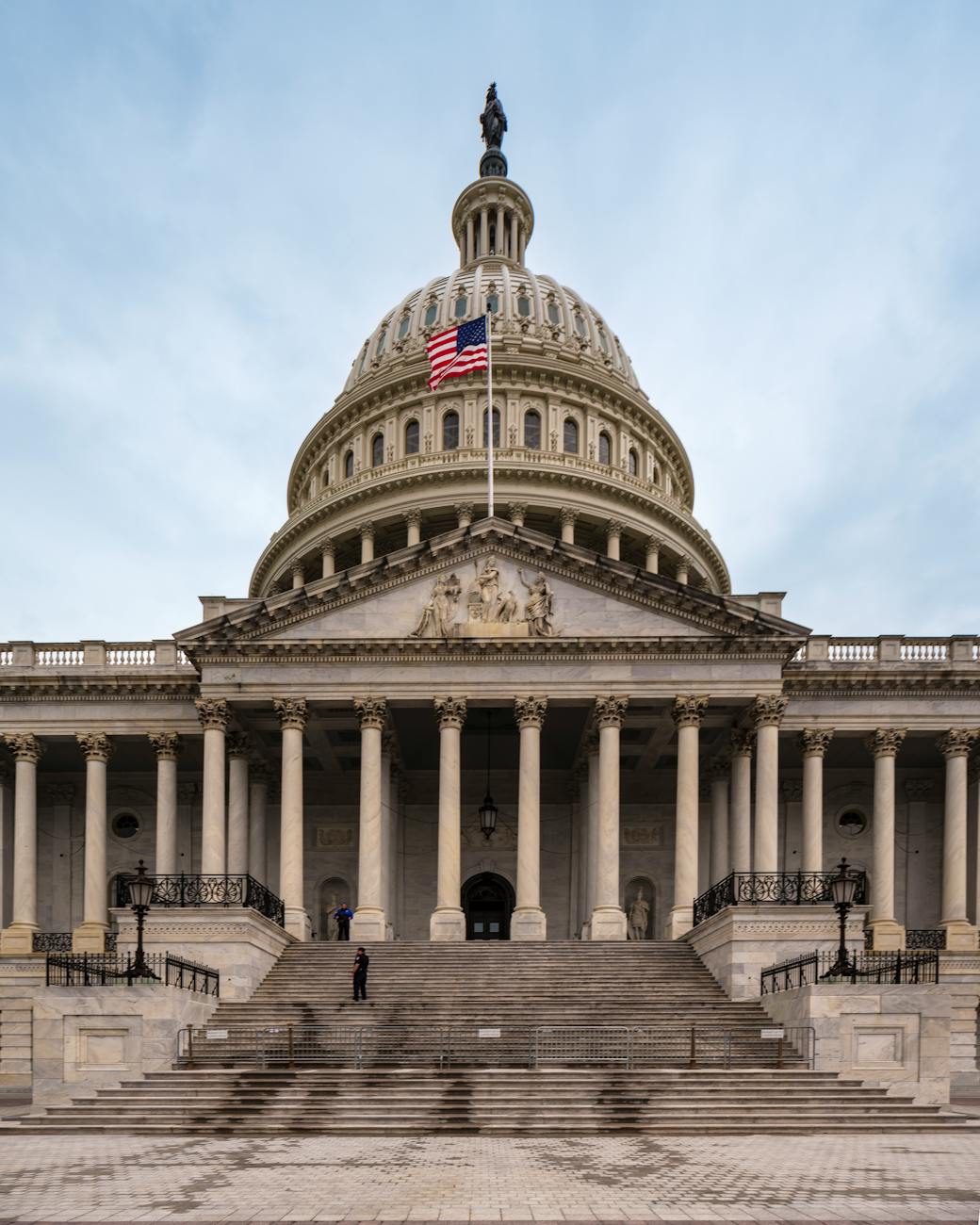
Pentagon Acting Comptroller Jules Hurst III told the House Armed Services Committee on April 29 that the United States has spent about $25 billion on its war against Iran, with most of the money going to munitions burned through in the first 60 days of the campaign.
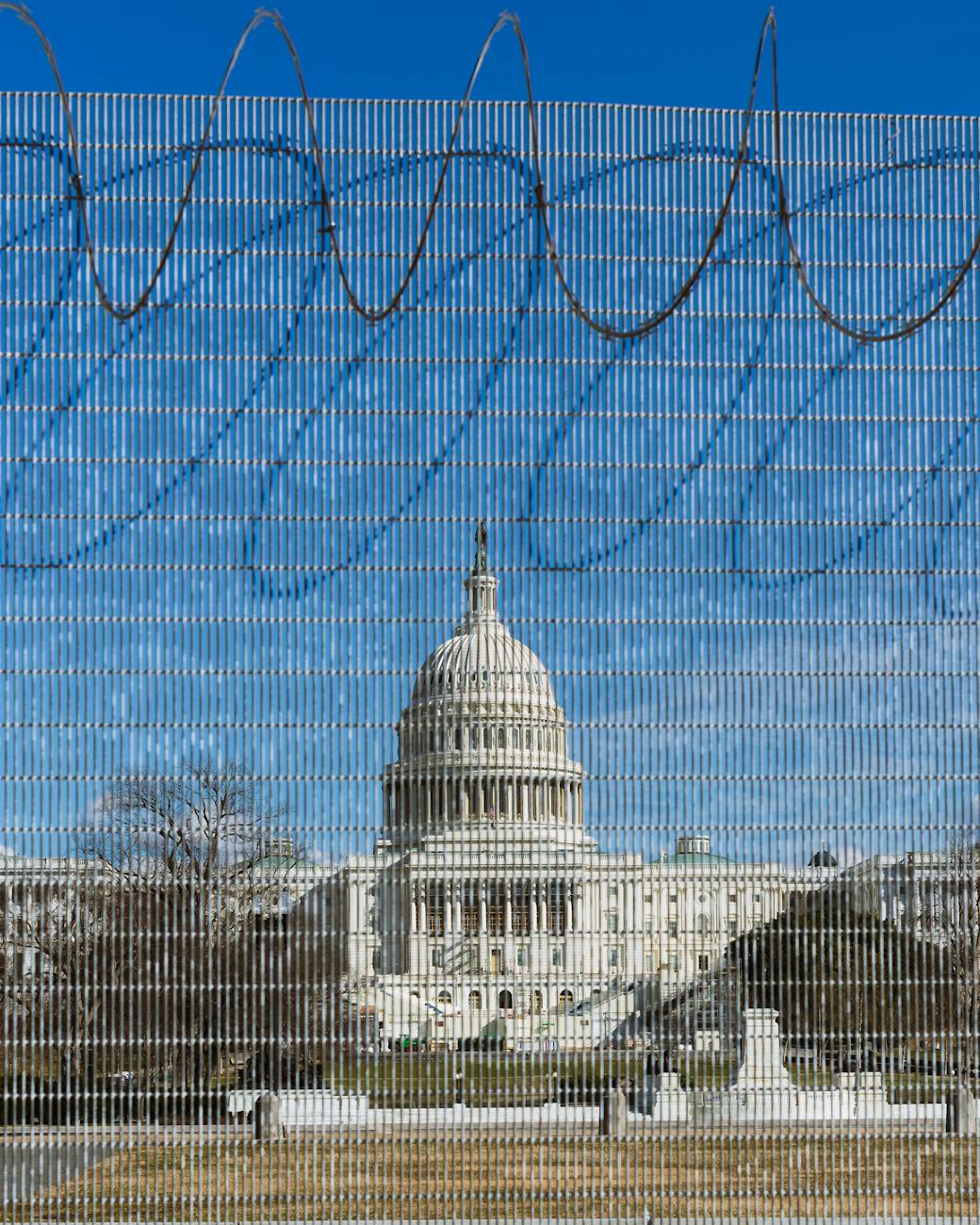
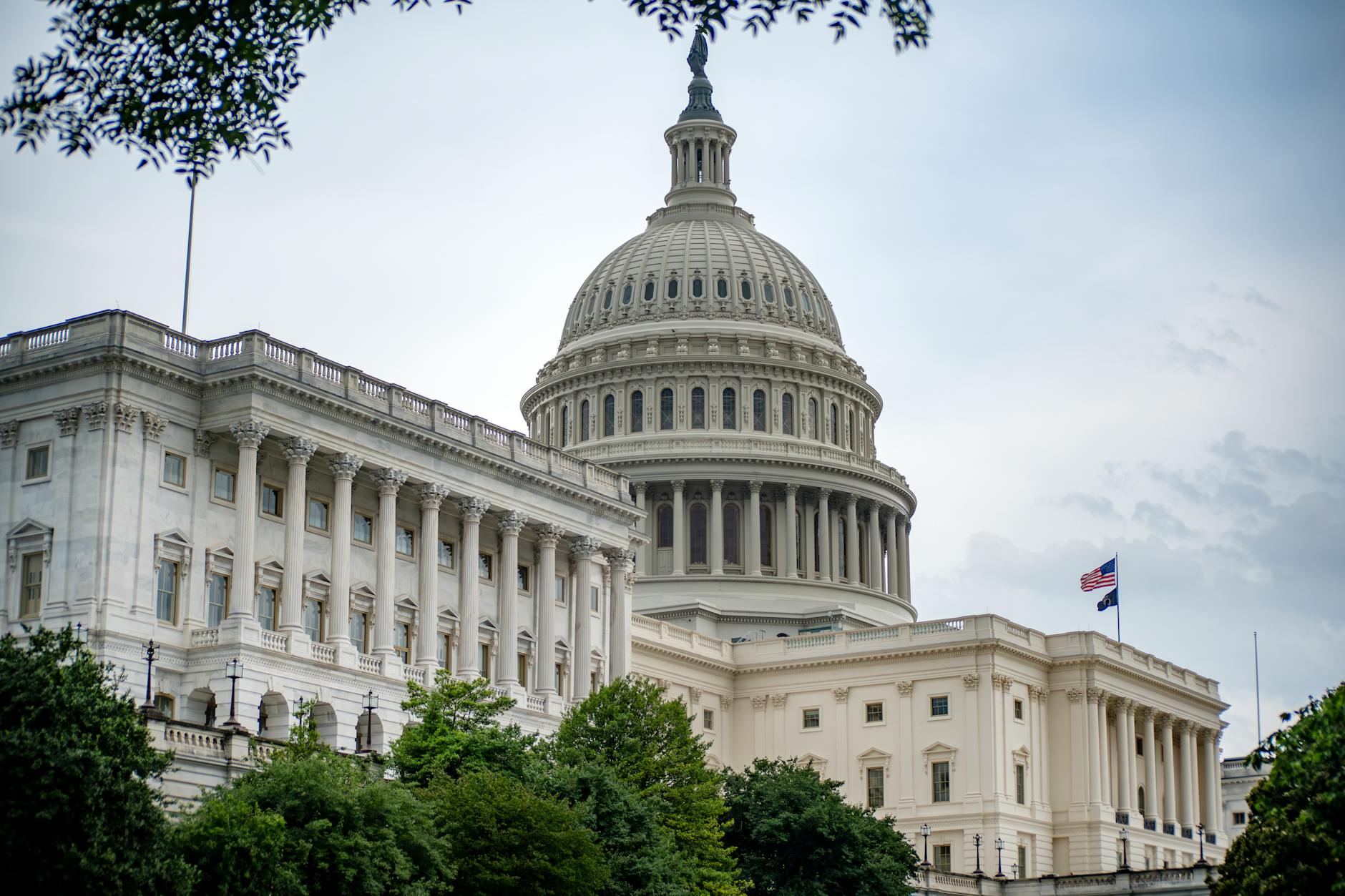
The figure, disclosed in testimony on the Trump administration’s $1.5 trillion defense budget request for fiscal 2027, drew sharp pushback from House and Senate Democrats who argued the estimate undercounts the true running cost of Operation Epic Fury, now in its third month.
“Approximately, at this day, we are spending about $25 billion on Operation Epic Fury, most of that is in munitions,” Hurst said in testimony before the committee alongside Defense Secretary Pete Hegseth and Joint Chiefs Chairman Gen. Dan Caine. The administration plans to send a supplemental funding request to Congress once costs are “more fully fleshed out,” he said, without naming a delivery date.
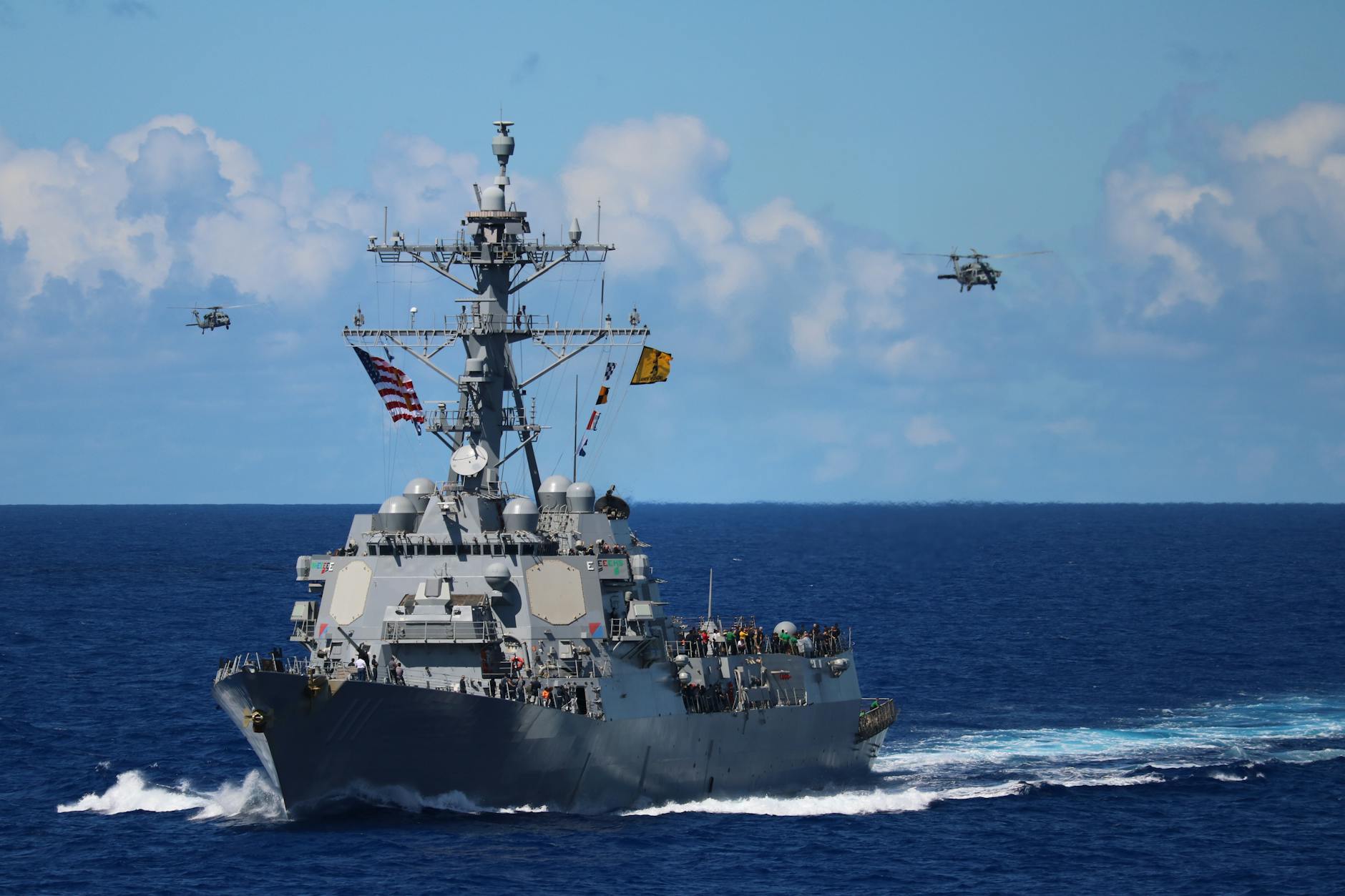
Operation Epic Fury began on Feb. 28 with a joint U.S. and Israeli strike on Iranian nuclear and military infrastructure. Eight weeks into the conflict, the Pentagon has reported 13 American service members killed and about 400 wounded. Diplomatic talks toward a halt in the fighting have not produced an agreement, and U.S. naval forces have continued to engage Iranian assets in the Persian Gulf, including strikes on two Iranian-flagged tankers in the Strait of Hormuz this week.
The Pentagon has so far declined to break down the $25 billion by weapons category, telling lawmakers only that the bulk has been spent on munitions consumed during sustained strikes against Iranian targets. A fuller accounting will accompany the supplemental funding request, Hurst said, although the administration has not committed to delivering it before the FY2027 budget reaches the floor.
Hegseth used much of his appearance to argue the cost has to be measured against the strategic objective. “What is it worth to ensure that Iran never gets a nuclear weapon, considering the radical ambitions of that regime?” he asked the panel. He pushed back at lawmakers who had described the conflict as a quagmire, telling one critic, “Shame on you calling this a quagmire, two months into the effort.”
Inside the hearing
Rep. Adam Smith of Washington, the ranking Democrat on the committee, said the panel had been pressing the Defense Department for a cost figure for weeks. “We’ve been asking for a hell of a long time, and no one’s given us the number,” Smith said.
Rep. Jim Garamendi (D-Calif.) called the campaign “a geopolitical calamity, a strategic blunder resulting in worldwide economic crisis,” in an exchange with Hegseth. The defense secretary turned several of his answers back into attacks on lawmakers questioning the war. “The biggest challenge, the biggest adversary we face at this point are the reckless, feckless and defeatist words of congressional Democrats and some Republicans,” Hegseth said.
Committee chairman Rep. Mike Rogers (R-Ala.) framed the $1.5 trillion request as overdue. “For the first time in over 40 years, we’ve been presented a budget that accounts for the true cost of American deterrence,” Rogers said. The proposal would represent a 42 per cent increase over the fiscal 2026 baseline and bring U.S. defense spending to about 4.5 per cent of gross domestic product.
The Senate dispute
Senate Democrats challenged the $25 billion estimate within hours. Sen. Richard Blumenthal (D-Conn.) said the Pentagon was “lowballing it,” Sen. Tammy Duckworth (D-Ill.) called the figure an “undercounting,” and Sen. Angus King (I-Maine), who caucuses with Democrats, said the number was “way too low.” Democrats on the Senate Armed Services Committee have pegged the actual running cost at $40 billion to $50 billion and counting, according to a tally circulated by the panel.
The competing estimates matter because the administration intends to fold the war’s tab into the supplemental appropriations bill that will run alongside the FY2027 budget request. Lawmakers in both chambers have signalled the supplemental will be contested even if the broader budget moves. Several senior Democrats have warned that committee Republicans may also balk at the size of the FY2027 baseline, leaving Rogers without a clear path to a floor vote.
What happens next
Pressure on the executive branch over the war’s duration is rising alongside the cost dispute. A bill from Rep. Tom Barrett (R-Mich.) would require U.S. forces to wind down combat operations against Iran by July 30, with continued funding contingent on a presidential certification of progress toward a negotiated settlement. The administration has not commented publicly on the Barrett measure.
Rogers said the committee would hold a follow-up session once the supplemental request lands. Hurst is expected to return in the coming weeks to testify on the breakdown of the spending, including how much has been allocated to specific munitions categories that Pentagon officials have so far declined to itemise.

Theo Larkin
Defense correspondent covering US military operations, weapons procurement and the Pentagon. Reports from Washington.