UAE engages Iranian missiles and drones as Hormuz ceasefire frays
UAE air defences engaged Iranian missiles and drones on Friday, hours after three US Navy destroyers transited the Strait of Hormuz under fire, leaving the four-week ceasefire visibly strained.
UAE air defences engaged Iranian missiles and drones on Friday morning, hours after a separate exchange of fire in the Strait of Hormuz left the four-week US-Iran ceasefire visibly strained.
The UAE defence ministry posted on X that “UAE air defences are currently engaging missile and drone attacks originating from Iran.” No immediate damage was reported, although authorities warned residents not to approach debris from successful interceptions across several emirates. The ministry did not specify the number of projectiles fired or whether all were intercepted.
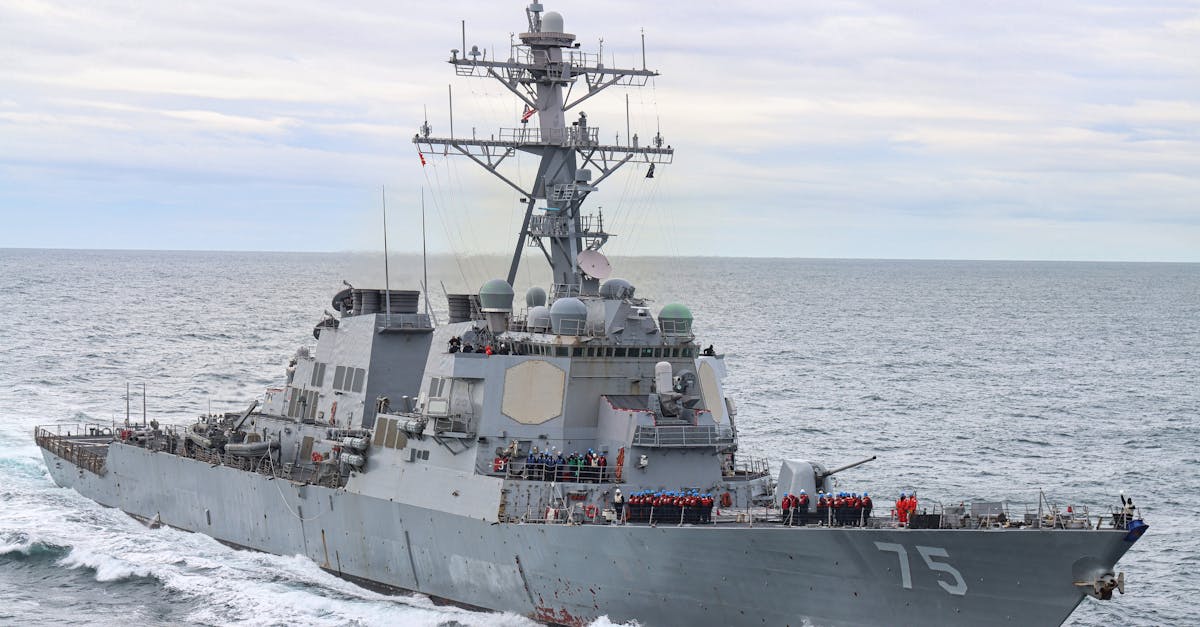
The Friday salvo followed an overnight engagement in which three US Navy destroyers transited the Strait of Hormuz under fire. President Donald Trump said on Truth Social that the ships “just transited, very successfully, out of the Strait of Hormuz, under fire.” US Central Command said none of its forces or equipment were hit.
Trump described the US response as “just a love tap” and insisted the April 8 ceasefire remained in effect. Speaking to reporters, he said Iranian forces “trifled with us today. We blew them away.”
What the US says happened
US officials said Iranian fast boats and drones targeted the destroyers as they moved through the strait late Thursday. The US then struck Iranian military facilities including the Minab naval base and sites on Qeshm Island, Bandar Khamir and Sirik. Trump said: “There was no damage done to the three Destroyers, but great damage done to the Iranian attackers.” Centcom characterised the initial Iranian assault as “unprovoked.”
Iranian state television offered a competing account. The military’s Khatam al-Anbiya Headquarters said the missile launches followed “a US attack on an Iranian tanker” and that strikes on the destroyers had inflicted “significant damage.” Press TV said conditions on Iranian islands and coastal cities along the strait had returned to normal by Friday morning.
Tehran’s tanker claim
Iran’s Khatam al-Anbiya Headquarters accused the United States of breaching the ceasefire by attacking an Iranian oil tanker before any Iranian fire was returned. A military official quoted by Iranian state media said: “Following the US military’s attack on an Iranian tanker, enemy units in the Strait of Hormuz came under Iranian missile fire.” Iranian sources said the targeted US destroyers were heading toward the Gulf of Oman after sustaining damage, a claim US officials reject.
The conflicting versions matter because the ceasefire that began on April 8 contains no enforcement mechanism. Either side framing the incident as the other’s first move shapes whether negotiations resume or collapse.
Pakistan and the peace track
Pakistani officials said talks aimed at converting the truce into a durable agreement remain active. Pakistani Prime Minister Shehbaz Sharif said Islamabad is in “continuous contact with Iran” to extend the ceasefire, while Foreign Minister Ishaq Dar spoke by phone with Iranian counterpart Abbas Araghchi on Thursday evening. Pakistani Foreign Ministry spokesperson Tahir Andrabi told reporters: “We expect an agreement sooner rather than later.”
A 14-point peace memo under negotiation reportedly proposes sanctions relief, the release of frozen Iranian assets and a hard cap on uranium enrichment at 3.67 per cent. In-person talks in Pakistan in April closed without a deal.
Hormuz commerce already throttled
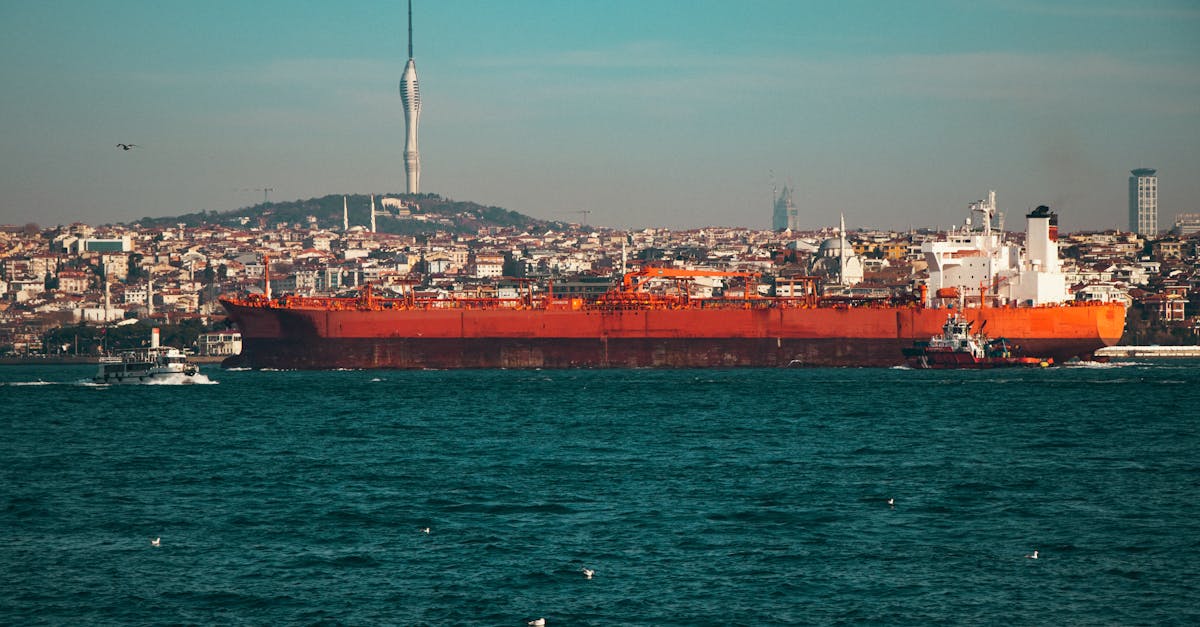
Hundreds of commercial vessels remain trapped inside the Persian Gulf and unable to reach open waters, according to shipping data firm Lloyd’s List Intelligence. The firm reported on Thursday that Iran has set up a Persian Gulf Strait Authority to vet and tax vessels seeking passage, “positioning itself as the only valid authority to grant permission to ships transiting the strait.”
About one-fifth of the world’s seaborne oil and liquefied natural gas supplies pass through the strait in peacetime. The chokepoint has been effectively closed since fighting began on February 28, when joint US and Israeli air strikes opened the war.
What happens next
Trump told reporters there is “zero chance” Iran develops a nuclear weapon, even as he warned that future US strikes would be “a lot harder, and a lot more violently” if a deal is not signed. His envoys Steve Witkoff and Jared Kushner are continuing back-channel talks, according to officials cited by The Sun.
The next test of the truce will be whether commercial shipping can resume under the convoy plan announced earlier this week, due to begin Monday. UAE officials have not said whether Friday’s attack will alter that timetable.

Yara Halabi
Foreign affairs correspondent covering the Middle East, the Gulf and US foreign policy. Reports from London.