NATO braces for deeper Trump troop pullback after Germany cuts
European allies expect President Donald Trump to follow his 5,000-troop withdrawal from Germany with cuts in Italy and Spain, possibly scrapping a planned long-range missile deployment and rerouting forces to Poland. Diplomats see the moves as punishment for allies that refused help in the Iran war.
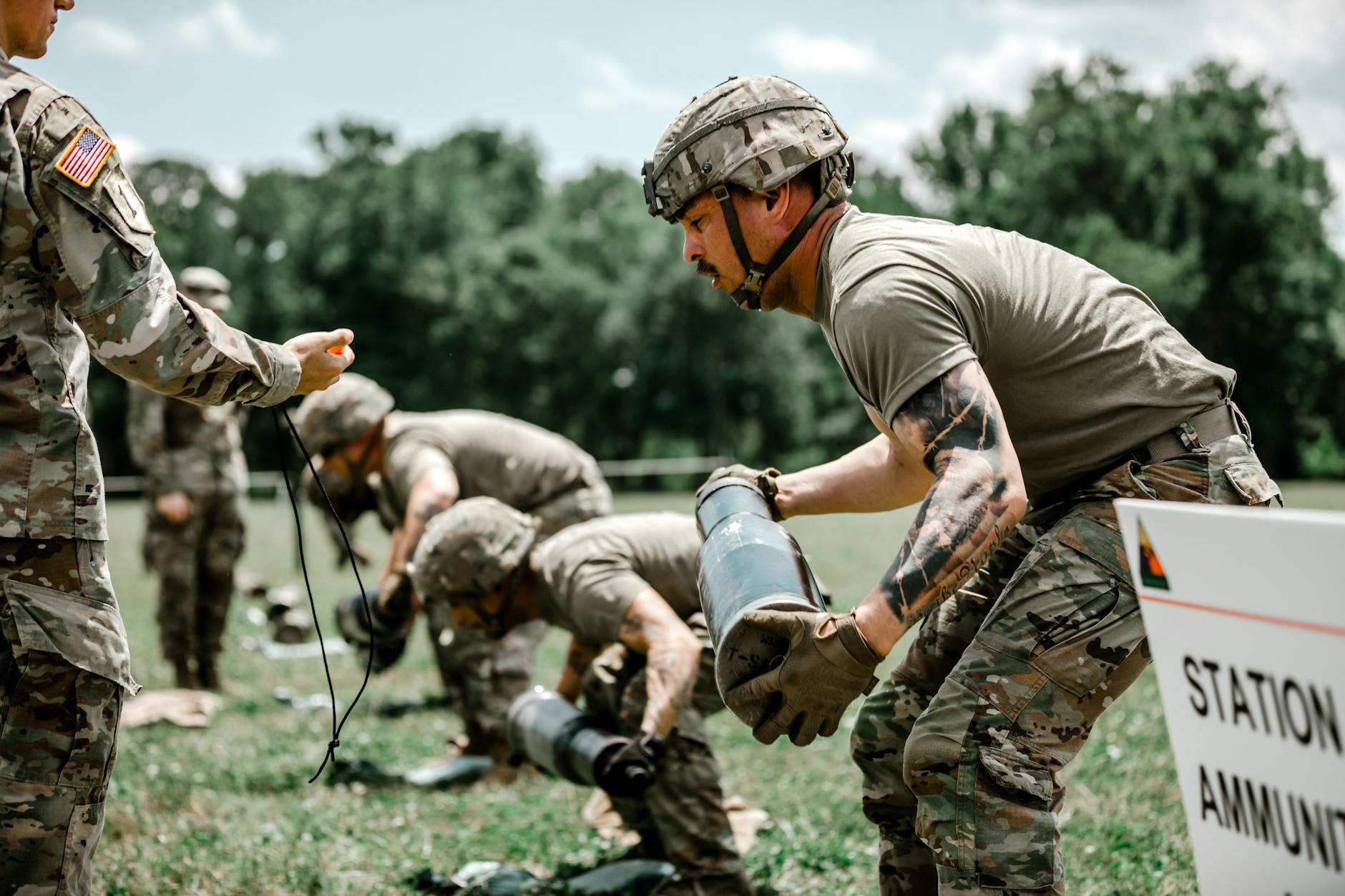
NATO allies in Europe are bracing for President Donald Trump to withdraw further US forces from the continent, after his announcement that 5,000 troops will leave Germany prompted top diplomats to forecast deeper cuts in Italy and possibly Spain.
Senior alliance officials expect the next round of drawdowns to also kill a Biden-era plan to station long-range missiles in Germany. They believe the Pentagon is weighing pulling US forces from some joint exercises and rerouting troops to allies seen as more politically loyal to the president, according to people familiar with US plans.
The forecasts rest on Trump’s public comments and on conversations alliance officials have had with their American counterparts about NATO’s future, those people said. The Pentagon declined to comment.
Speaking by phone on Saturday with the Italian newspaper Corriere della Sera, Trump said the US is “still considering” whether to withdraw forces from Italian bases. He declined to discuss the Germany move and accused Rome of falling short. Italy, he said, “wasn’t there when we needed it.”
The reference is to last month’s decision by the Italian government to deny the US use of one of its air bases for operations against Iran. Rome said it was following longstanding accords that bar combat operations from Italian bases without parliamentary approval. Combined with Washington’s open confrontation with Tehran in the Strait of Hormuz, the episode has hardened Trump’s view that several NATO members failed to back the US-Israeli campaign.
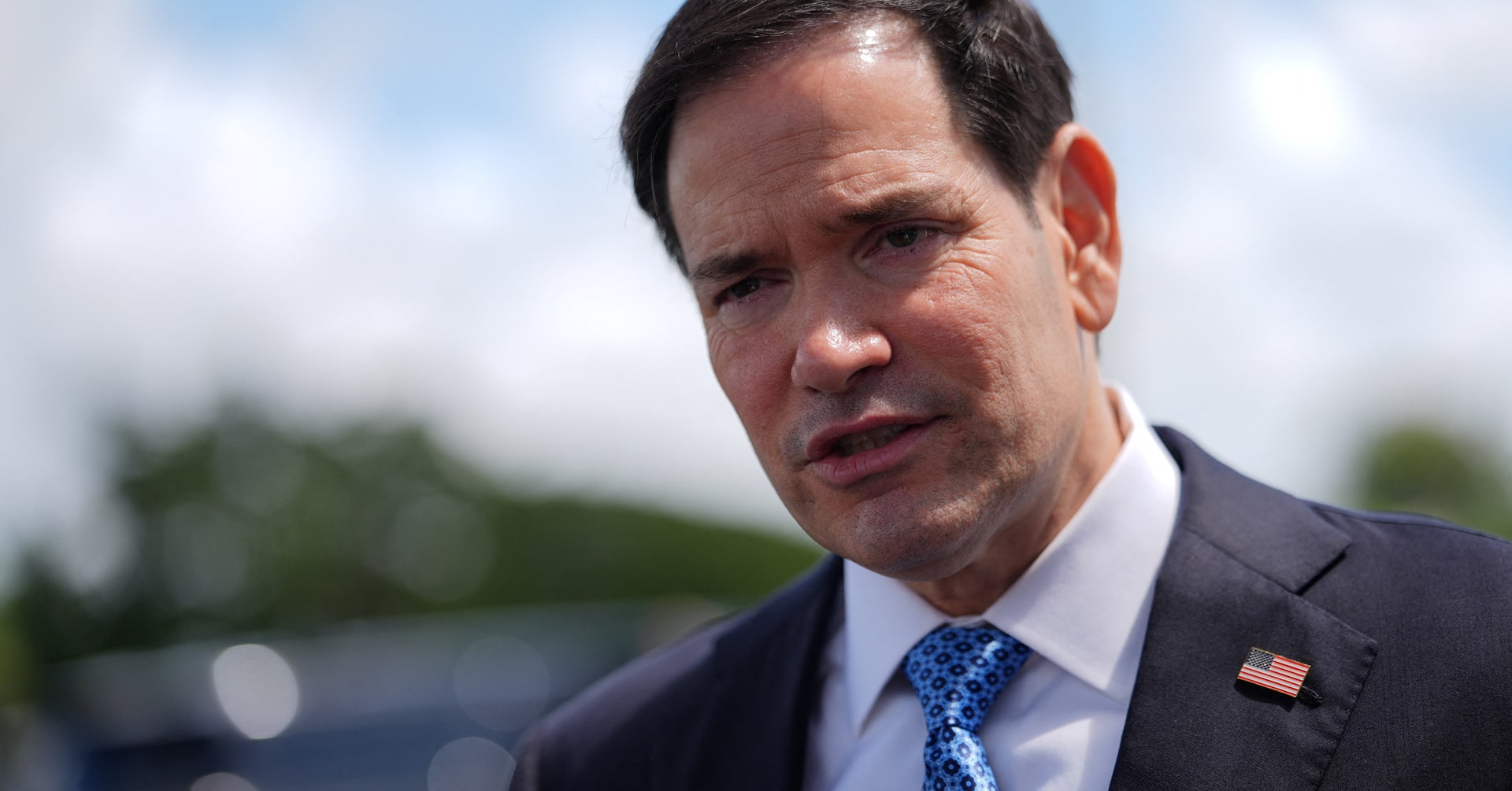
US Secretary of State Marco Rubio framed the issue in similar terms on a Friday trip to Italy. “If one of the main reasons why the US is in NATO is the ability to have forces deployed in Europe that we could project to other contingencies, and now that’s no longer the case at least when it comes to some NATO members, that’s a problem and it has to be examined,” Rubio told reporters. Italian Foreign Minister Antonio Tajani said he had reiterated to Rubio that “an American presence in Europe is important to us.”
Spain next on the list
Asked in late April whether he might also pull troops from Italy or Spain, Trump replied, “Well, why shouldn’t I?” He went further the next day. “Italy has not been of any help to us. And Spain has been horrible, absolutely horrible.”
Spain has drawn particular ire from the White House. It was the only NATO member granted an exemption from the alliance’s new 5 per cent of GDP defense-spending target, an outcome Trump publicly objected to. Officials in Brussels expect Washington to consider drawing down its presence at the naval base at Rota or the air base at Moron de la Frontera as the most visible response.
Germany hosts roughly 36,000 US service members, the largest American military presence in Europe and second only to Japan worldwide. The Pentagon plans to remove the announced 5,000 troops over the next six to 12 months, US officials say. The total US footprint on the continent is about 85,000, a number that fluctuates as units rotate or temporarily reinforce for exercises.
Where the troops might go
Some of the soldiers leaving Germany may end up further east. Asked on Friday whether he would send US forces to Poland after the Germany cut, Trump told reporters before flying to his golf club in Virginia: “Well Poland would like that. We have a great relationship with Poland.” Pressed directly on Poland, he said he “might.”
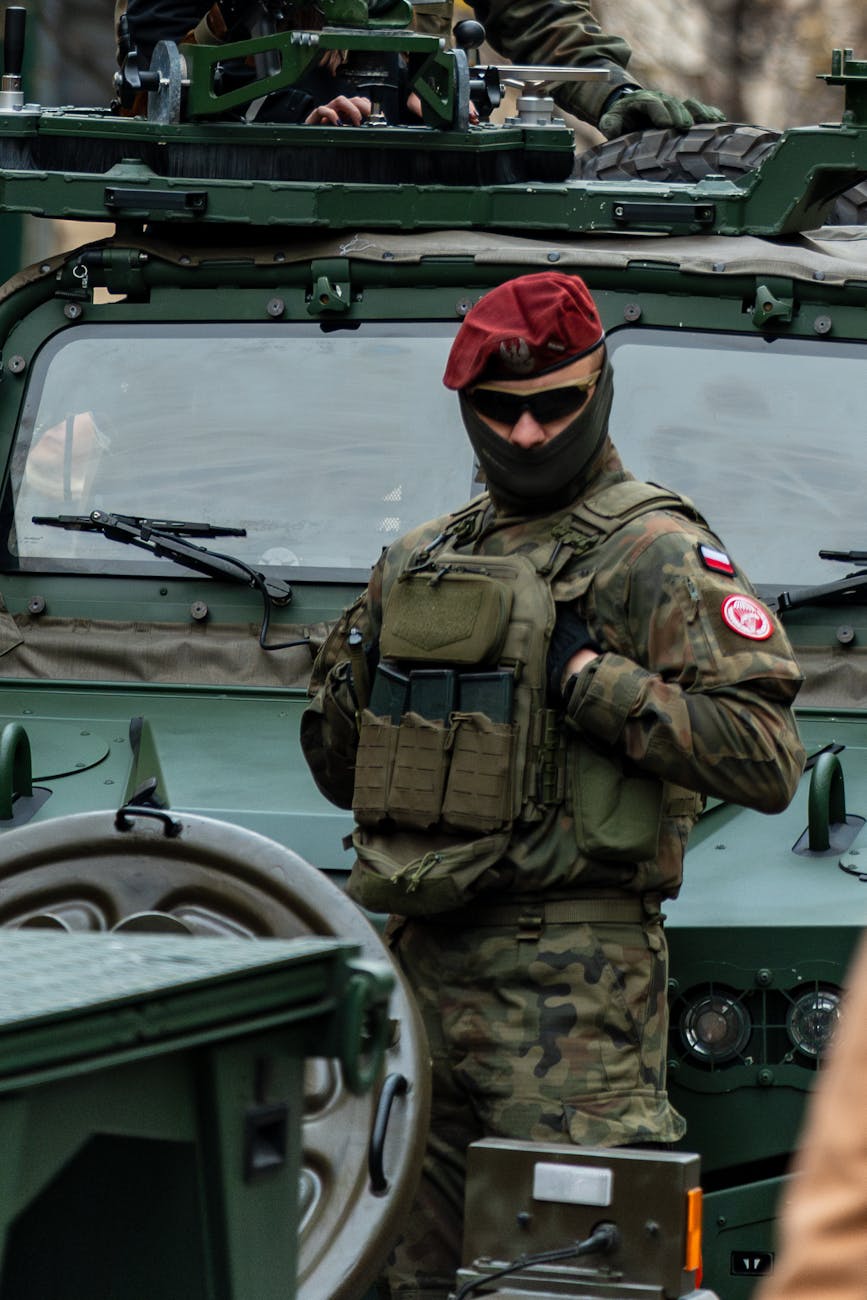
Polish Defense Minister Wladyslaw Kosiniak-Kamysz said Warsaw is ready. “The Polish-US alliance is the foundation of our security. Poland is ready to accept additional US troops to strengthen NATO’s eastern flank and further protect Europe,” he wrote on X. Poland is the alliance’s largest defense spender as a share of GDP and has pushed for a bigger US presence for years.
The Pentagon is also expanding Souda Bay in Greece and Camp Kosciuszko in Poland. Alliance officials read the work as a sign that part of the eastward shift is already underway. Undersecretary of Defense Elbridge Colby met with about a dozen NATO ambassadors in recent days to discuss what US officials call “NATO 3.0,” the push for European militaries to take primary responsibility for the continent’s defense, three people familiar with the meeting said.
What Congress will allow
Despite Trump’s anger, NATO officials and senior diplomats said they still believe legal and strategic constraints will limit how far the president can go. Last year Congress passed a measure requiring its approval before the US troop presence in Europe is cut below 76,000. When Trump announced the 5,000-troop Germany withdrawal last week, lawmakers questioned whether the move violated the spirit of that statute.
Gordon Davis, a retired Army major general and former senior NATO official now at the Center for European Policy Analysis, said a sharp drawdown would carry costs at home too. “We would suffer as much as or more than the European countries we would identify as targets for punishment if we were to try to significantly reduce our forces or footprint,” Davis said.
Julianne Smith, who served as US permanent representative to NATO under Joe Biden and now runs Clarion Strategies, said European militaries cannot fill the gap. Even with current rebuilding efforts it would take five to 10 years before the continent could provide for its own security, she said, citing strategic mobility, intelligence and air-to-air refuelling. “It simply cannot replace what the US is providing in terms of deterrence.”
Smith warned that any rapid withdrawal carries a separate risk. “Rushing to remove troops from Europe will create vulnerabilities and signal to Moscow that now is the time to test that,” she said. With the Trump-brokered three-day ceasefire between Russia and Ukraine due to expire within days, allied capitals are waiting for the next US decisions on both the Pentagon’s posture and the alliance’s future.

Theo Larkin
Defense correspondent covering US military operations, weapons procurement and the Pentagon. Reports from Washington.