House defense bill would curb Trump's overseas troop cuts
House defense bill language would preserve U.S. troop floors in Europe and South Korea as Republicans push back on Trump's Pentagon plans.
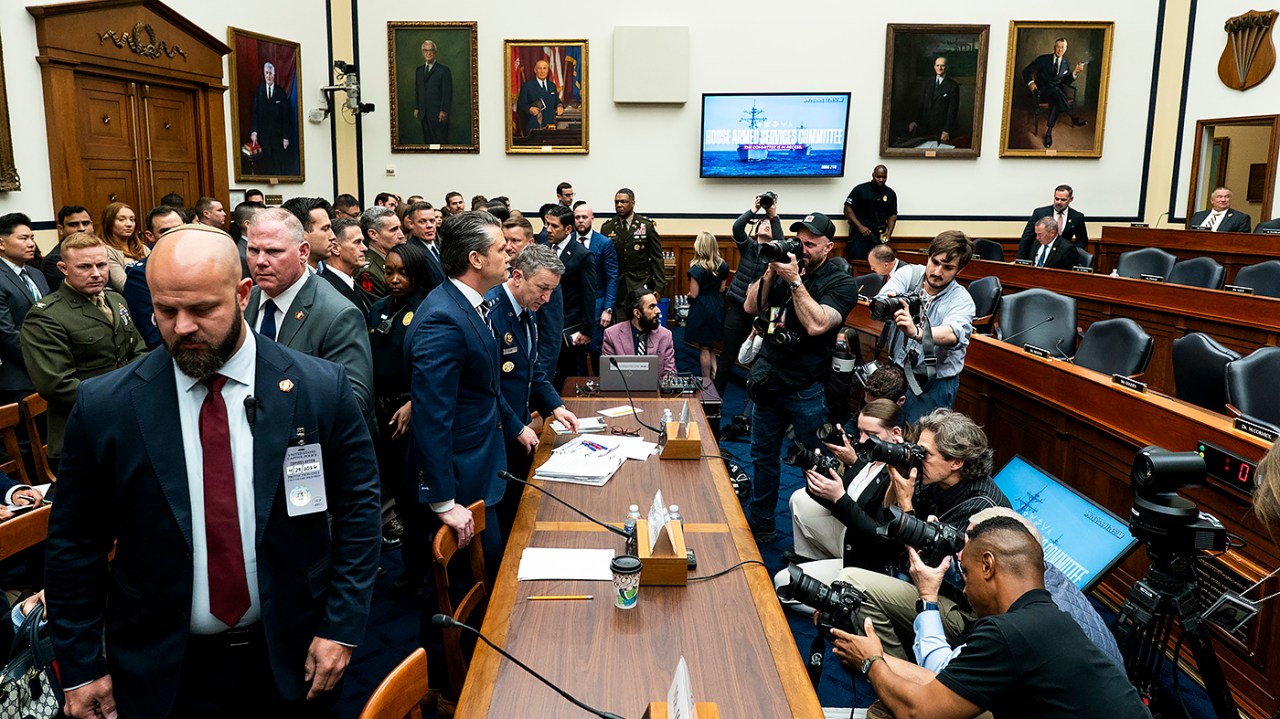
A House Republican draft of the annual defense policy bill would keep legal minimums for U.S. troop levels in Europe and South Korea and require the Trump administration to notify Congress before some redeployments, putting new limits on White House freedom to shift forces overseas.
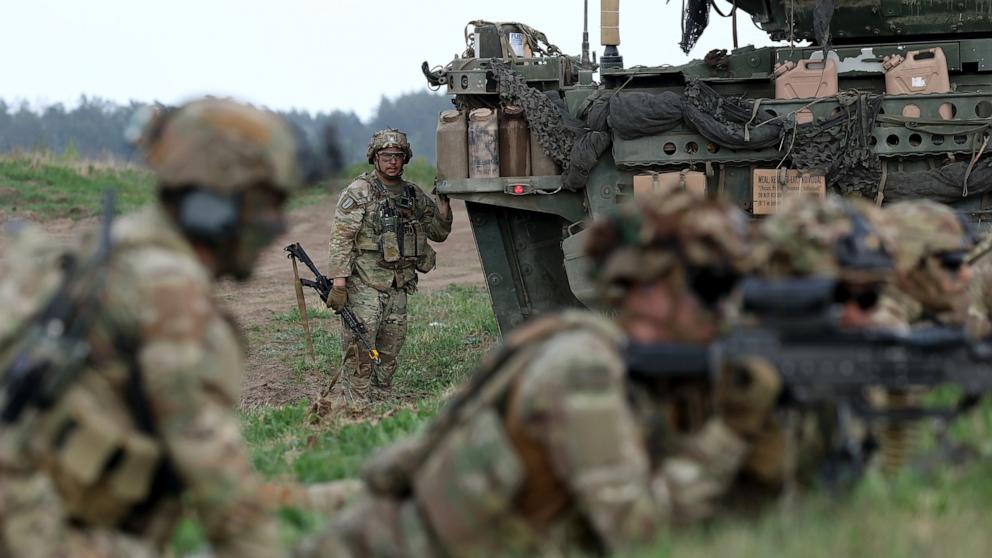
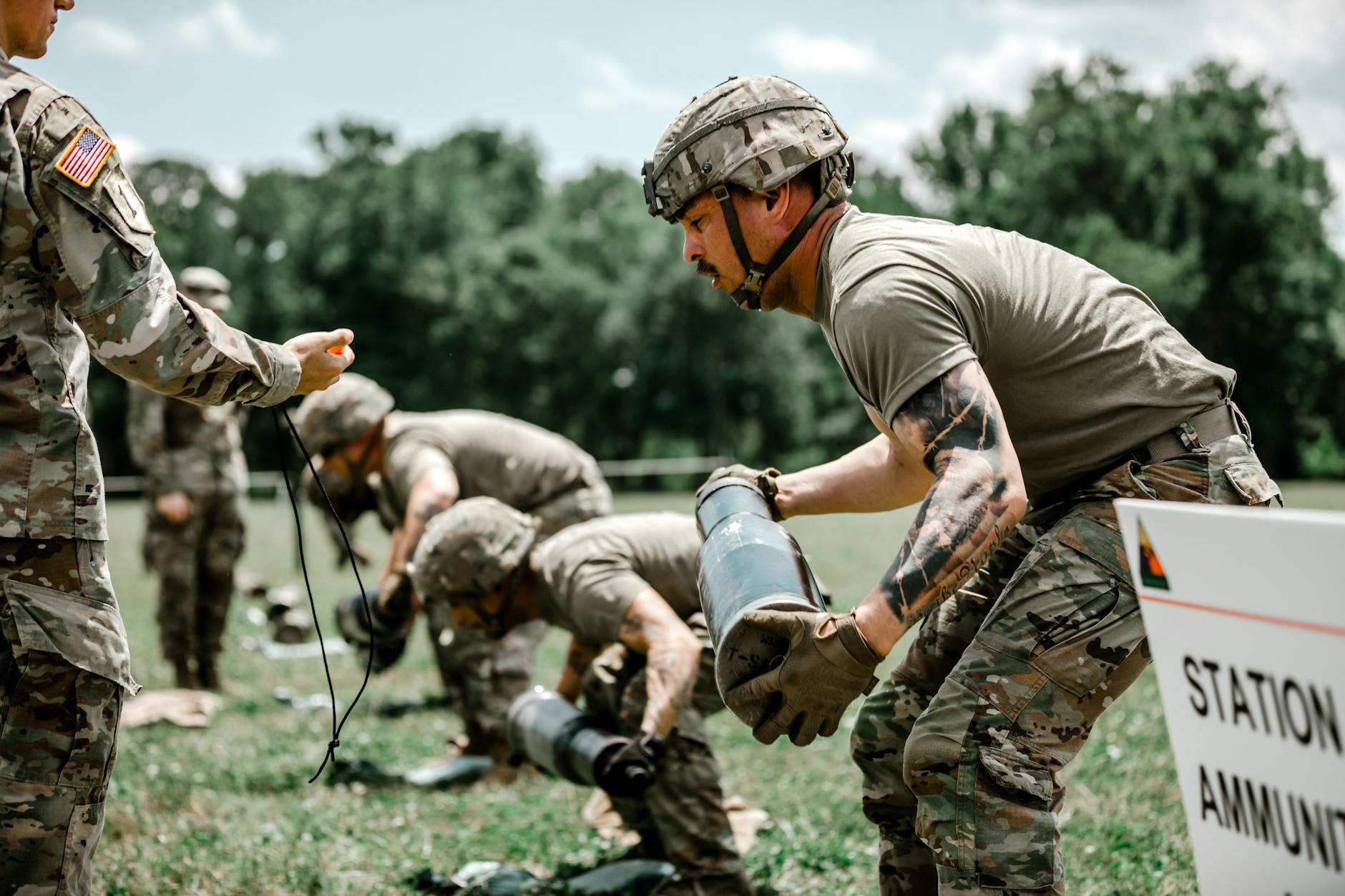
The House Armed Services Committee’s chairman’s mark for the fiscal 2027 National Defense Authorization Act would preserve a floor of 76,000 U.S. troops in Europe and 28,500 in South Korea, according to the text. It would also bar the removal from Europe of military technology worth more than $500,000 without approval and require 60 days’ notice before moves such as changes to a Poland rotation.
The proposal is an early sign that some House Republicans want Congress to keep a direct say over troop posture decisions even as they back much of President Donald Trump’s national security agenda. Mike Rogers, the Alabama Republican who chairs the committee, is using the NDAA to draw a line around force changes that touch NATO’s eastern flank and the U.S. presence on the Korean peninsula.
Those troop floors would make the policy harder for the Pentagon to change on its own. The equipment language would give lawmakers another lever by blocking the transfer of higher-value systems out of Europe unless Congress signs off.
The measure follows Trump’s order to withdraw 5,000 troops from Germany earlier this year. That decision worried some European allies and raised fresh questions about what other shifts could follow. Hegseth later defended changes to rotations in Europe as part of a broader review of U.S. deployments, saying, “It’s all part of the view that we have of Europe. And there will remain troops in Romania, but there’s some change in how we rotate and how many.”
Recent disputes over a canceled Poland rotation helped drive the new restrictions. Lawmakers from both parties have pressed Pentagon officials on whether quick changes to European deployments could weaken deterrence while Washington asks allies to shoulder more of their own defense.
Battleship provision
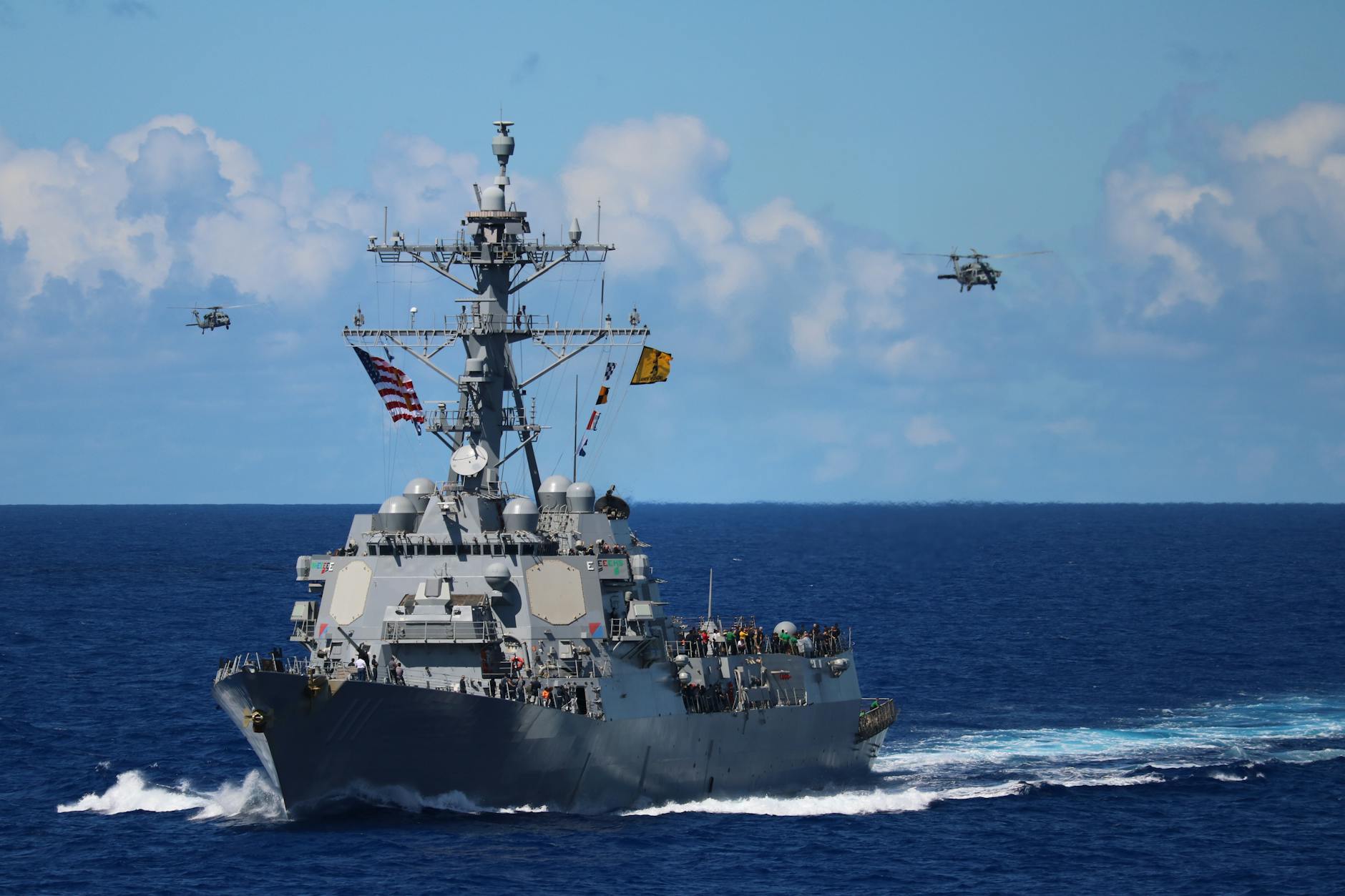
The draft also addresses Trump’s proposed new battleship class, though the troop provisions carry more weight in the bill. Under the chairman’s mark, the Navy could not begin building the first ship until it proves the necessary technology exists.
Trump announced the idea in December, saying the ships would be “100 times more powerful than any battleship ever built”. House Republicans are using that claim to demand proof before the program can move from rhetoric to procurement.
Congress has used earlier defense bills to slow troop withdrawals, including a compromise measure last year aimed at large reductions in Europe. The new draft goes further by combining troop floors in Europe and South Korea with limits on equipment transfers.
House and Senate negotiators can still rewrite major parts of the NDAA, so the restrictions may not survive intact. But their inclusion in the opening House text ensures a fight this summer over how much room Trump should have to move forces and reshape procurement without Congress.
The bill still must clear committee debate, the House floor and Senate negotiations, and the White House could resist the limits before any of it becomes law. For now, the draft shows committee Republicans are willing to use the must-pass defense bill to slow Trump’s plans when they believe alliance commitments or readiness could be affected.

Theo Larkin
Defense correspondent covering US military operations, weapons procurement and the Pentagon. Reports from Washington.