Israel expands Lebanon offensive after more than 120 strikes
Israel expands Lebanon offensive after more than 120 strikes, sending troops past its security line as Hezbollah says it fired back with 22 attacks.
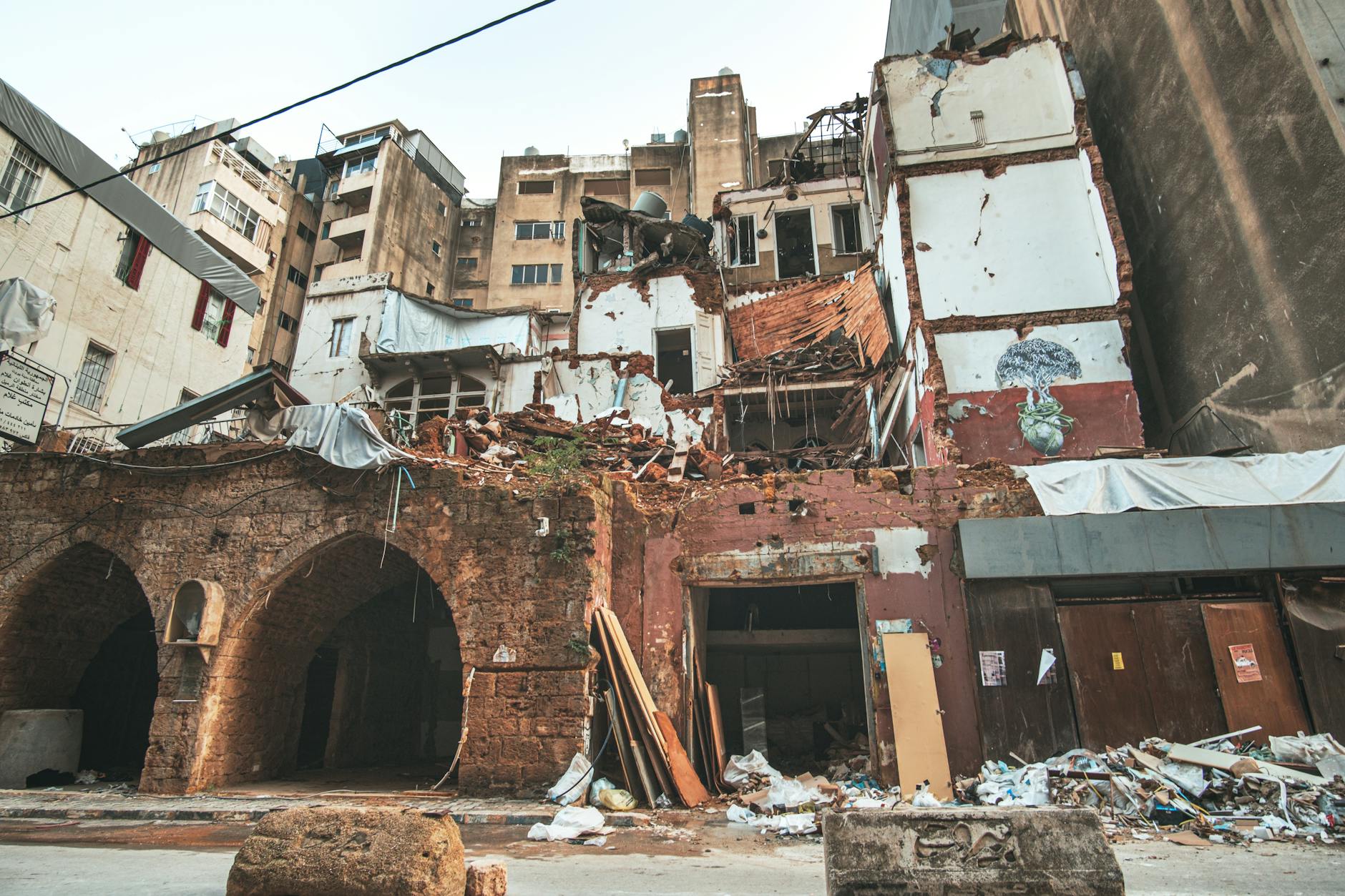
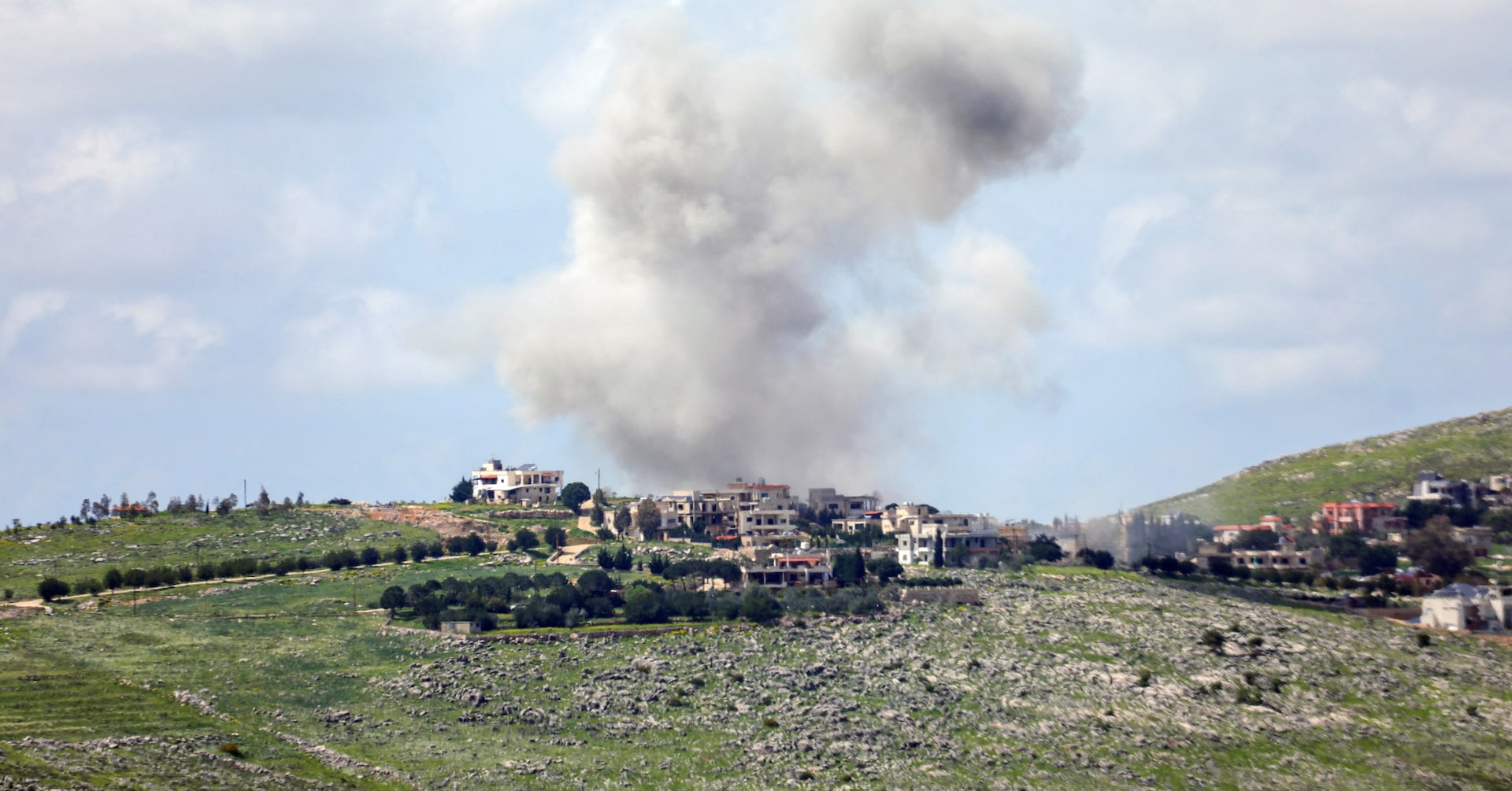
Israel carried out more than 120 air strikes across Lebanon on Tuesday and said its troops had pushed beyond the post-ceasefire security line in the south, broadening a campaign that Hezbollah answered with drone and rocket fire.
The operation gave the conflict on Israel’s northern border a more explicit ground dimension after months of cross-border exchanges. Reuters reported that Israeli troops had moved beyond the security zone, while the BBC reported that Lebanon’s health ministry said 31 people were killed and 40 wounded in the latest attacks. Hezbollah said it launched 22 retaliatory strikes.
Prime Minister Benjamin Netanyahu said Israel would intensify the campaign. In remarks reported by the BBC, he said: “We will deal them a crushing blow.”
Reuters separately quoted Netanyahu as saying Israel was “fortifying the security strip to protect the northern communities.” The BBC also reported that he said the Israel Defense Forces were operating with large ground forces and taking “dominant terrain” in southern Lebanon.
Taken together, those statements point to an operation that goes beyond a short retaliatory raid. Air strikes can be widened or paused quickly. A public decision to move troops past the old line and describe the mission in terms of fortifying ground suggests Israel is trying to change the military picture along the border.
Israeli officials have cast the push as protection for towns in the north that have faced months of cross-border fire. Even so, ground operations are harder to keep limited once troops hold positions and Hezbollah continues firing back. Each side then has a stronger incentive to prove it has not yielded territory or deterrence.
The human toll in Lebanon was already rising before Tuesday’s expansion. Reuters said the health ministry had recorded 3,213 people killed in Israeli strikes since March 2, indicating that the fighting had already moved well beyond intermittent exchanges before the latest assault.
Tuesday’s events also stood apart from the wider regional crisis because Israeli officials tied them directly to the northern border and southern Lebanon. For Lebanese civilians, the immediate effect was heavier bombing and a wider Israeli military footprint. For Hezbollah, the question is whether it treats the ground move as a local setback to answer in kind or as the start of a more sustained Israeli push.
What happens next
The next test is whether Israel keeps the operation confined to a narrow belt beyond the old line or presses farther with continued air cover. Publicly framing the mission around fortifying a strip and seizing terrain can make a quick halt harder to sell at home.
Hezbollah, meanwhile, faces pressure to show it can still strike Israeli targets despite the heavier assault. That dynamic raises the risk of a longer exchange in which Israeli ground gains prompt more launches, and more launches bring more strikes in return. Unless diplomats can reopen an off-ramp quickly, the northern front appears set for a more entrenched contest over territory and security in southern Lebanon.

Yara Halabi
Foreign affairs correspondent covering the Middle East, the Gulf and US foreign policy. Reports from London.