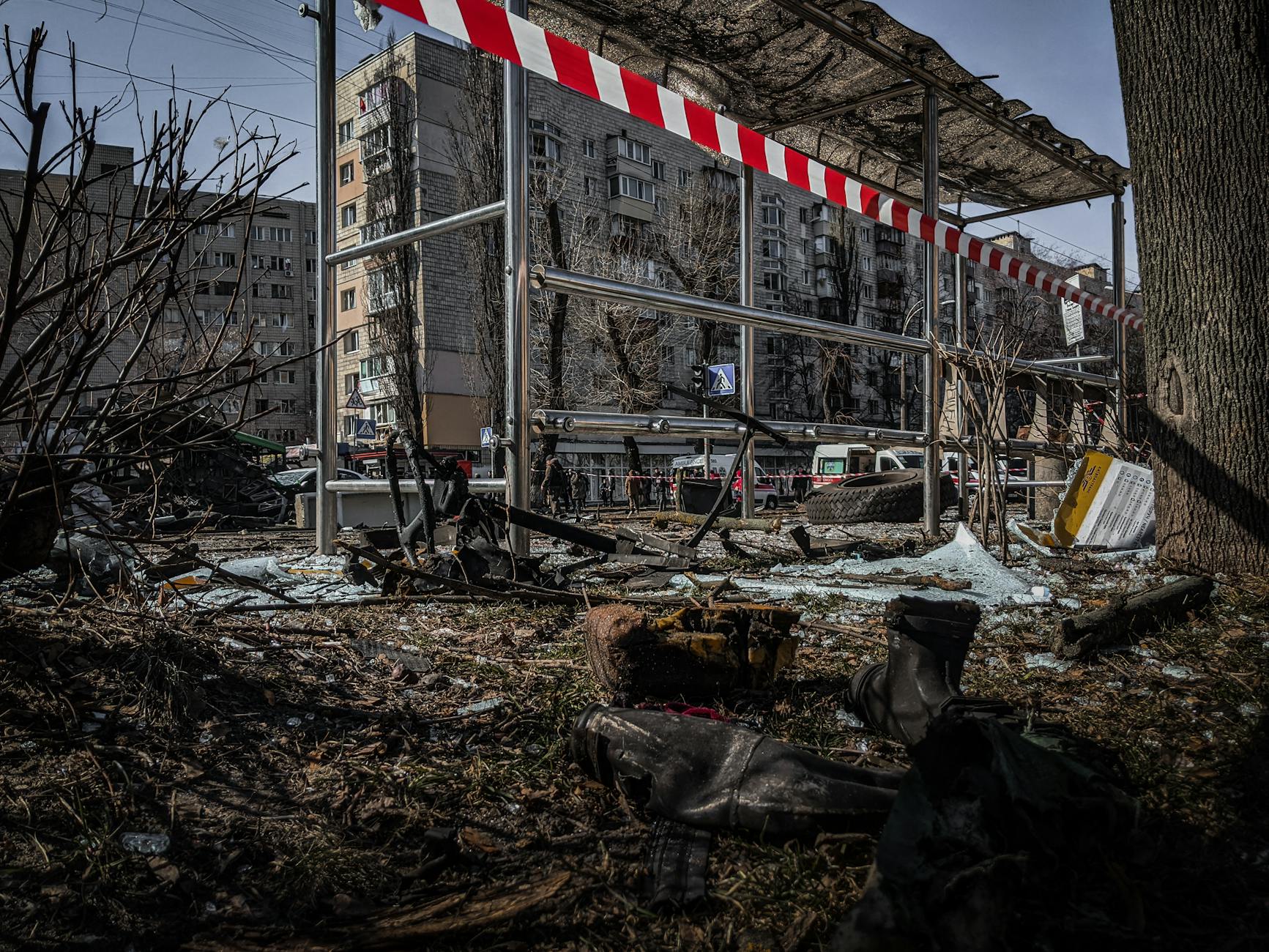
Russia warns foreigners to leave Kyiv before more strikes
Russia warns foreigners to leave Kyiv before more strikes, saying decision-making centres and drone sites in the capital could be next.
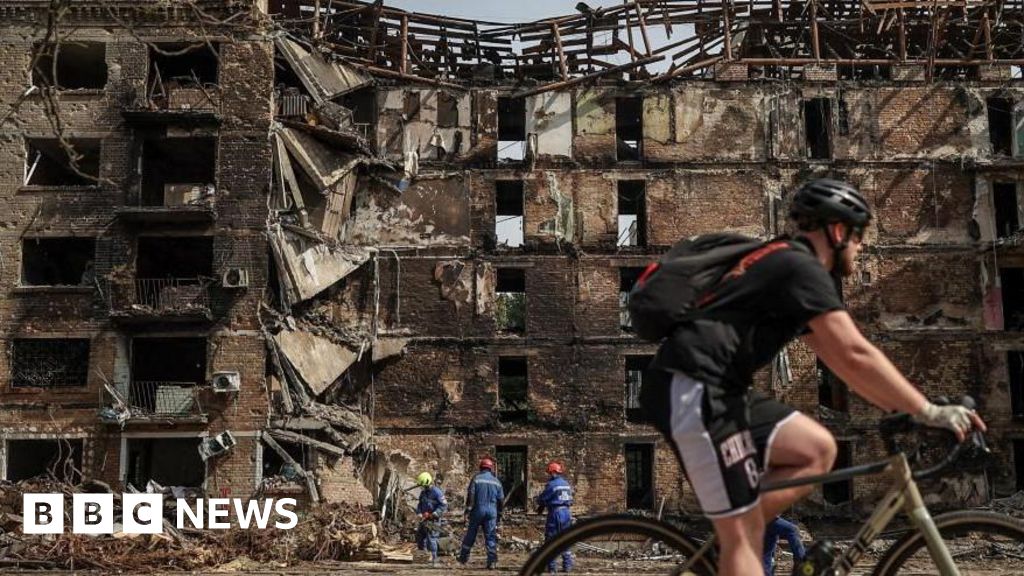
Russia said it would carry out more strikes on military-related targets in Kyiv and told foreign nationals and diplomats to leave the city, taking the fallout from the weekend barrage beyond the battlefield and into diplomatic channels.
Reporting from the BBC and Bloomberg said Moscow told foreigners to depart “as soon as possible” and used a call between Russian Foreign Minister Sergei Lavrov and US Secretary of State Marco Rubio to deliver the warning. That put the message directly before Washington as governments weighed the risk to their personnel in the Ukrainian capital.
Russia’s foreign ministry said any new strikes could hit decision-making centres, command posts and drone manufacturing facilities in Kyiv. Bloomberg reported that the ministry described the coming attacks as “systematic and consistent strikes”. The wording suggested a continuing campaign, not a one-off reprisal, and it left foreign missions and other international staff in the capital to consider whether the threat was aimed partly at them.
Ukraine rejected the warning in blunt language. The BBC said Ukrainian officials called it “nothing short of shameless blackmail” after a weekend assault in which President Volodymyr Zelensky said four people were killed and about 100 injured in strikes on Kyiv and other areas.
Lavrov’s involvement gave the warning extra weight. Threats against decision-making centres pointed at Ukraine’s political leadership, while the instruction for foreign diplomats and nationals to leave widened the circle to governments with staff on the ground. Moscow was no longer signalling only to Kyiv. It was also telling Washington and other capitals that their own presence in the city now formed part of the pressure campaign.
Why the warning matters
According to the Guardian, Moscow’s demand that the US embassy clear the way for attacks on Kyiv gave the episode a broader diplomatic edge. Embassies and foreign organisations now have to factor the warning into staffing, travel and security decisions, even though Russia did not say when another large strike might come or whether it intended to hit every category it listed.
The target list was broad. Decision-making centres can mean state institutions. Command posts can imply military sites. Drone manufacturing facilities can reach into the network that supports Ukraine’s air and battlefield operations. The ambiguity leaves officials, diplomats and civilians guessing about where the next wave of strikes could fall.
For Washington and European capitals, the question is no longer only how many missiles or drones were used in the last attack. Russia is using official channels to signal that foreign governments are part of the calculation around Kyiv. If embassies reduce their presence, that response will become part of how the next escalation is judged.

Anya Voronova
Eastern Europe correspondent covering the war in Ukraine, Russia and the Caucasus. Reports from Warsaw.