EU blocking statute urged after US sanctions on ICC
Fatou Bensouda urged Brussels to use the EU blocking statute against US sanctions on ICC officials, increasing pressure on the bloc to decide whether to defend the court with legal action.

Fatou Bensouda, a former International Criminal Court, has urged the European Union to use its blocking statute against US sanctions on ICC officials, pressing Brussels to decide whether it will protect the court with a legal shield instead of statements of support alone.
In an interview reported by The Guardian, Bensouda said the issue had moved from theory to policy. Her appeal casts the dispute over the court’s war-crimes investigations as a test of whether Europe will defend the tribunal from US pressure with more than diplomatic backing.
“The EU should move to trigger the EU blocking statute,” Bensouda said, arguing that European governments should use the mechanism created to resist the extraterritorial reach of foreign measures.
The European Commission describes the statute as a tool against the extraterritorial application of laws adopted by non-EU countries. If Brussels applied it to ICC officials or related dealings, the row would shift from political support for the court to a direct legal confrontation with Washington.
The US has already revived and expanded its ICC sanctions program. The Office of Foreign Assets Control says the regime covers people involved in certain ICC actions affecting US or allied personnel.
On 5 June 2025, Reuters reported that the Trump administration sanctioned four ICC judges in what it described as an unprecedented move. A later Reuters report said Washington imposed more sanctions in August on four judges and prosecutors.
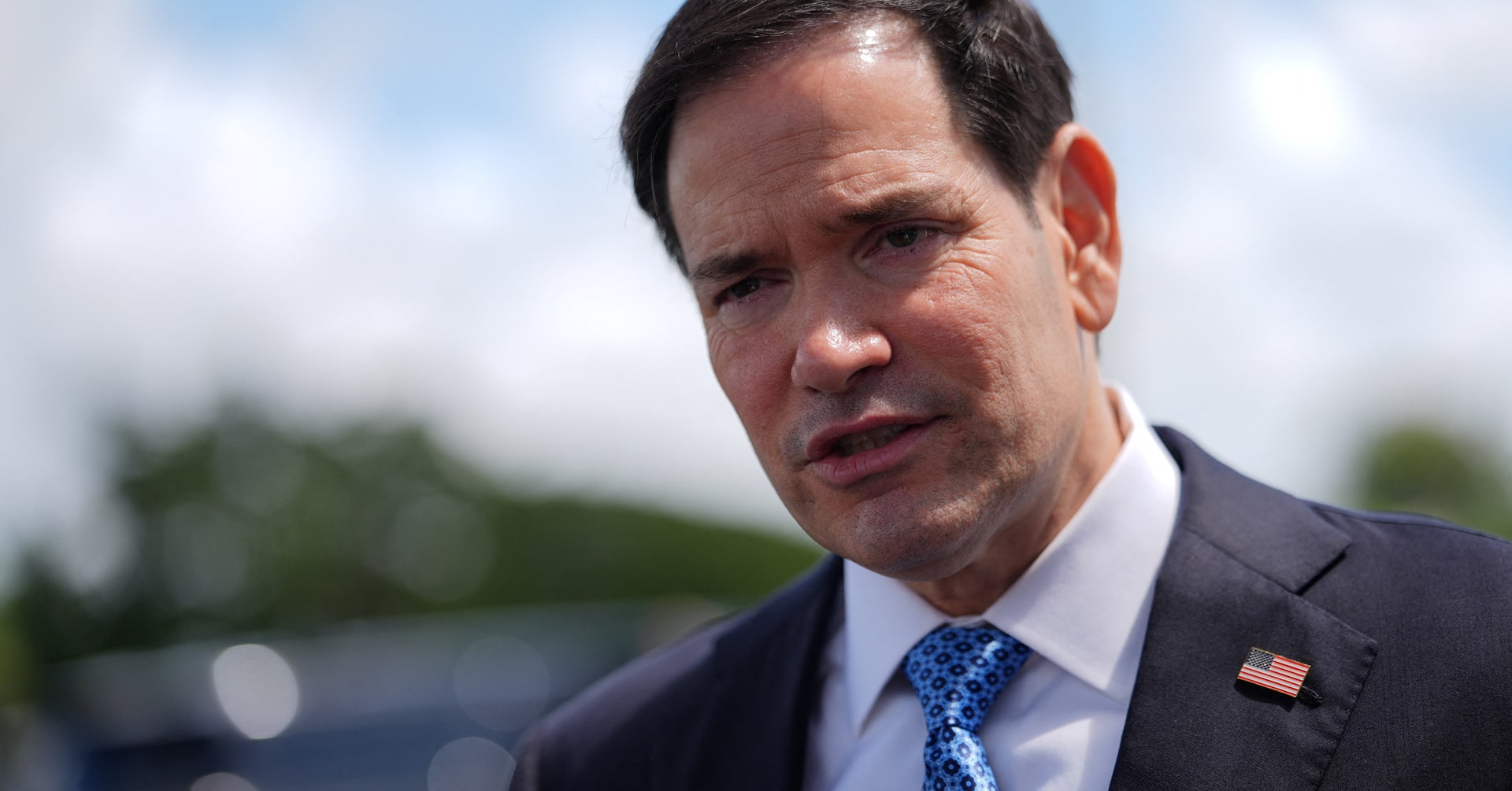
Rubio defended the measures in sharper language, calling the court “a national security threat that has been an instrument for lawfare,” according to Reuters. His description pushed allied governments toward a clearer choice over whether they see the pressure campaign as a bilateral dispute or as an attack on an institution they publicly support.
For Brussels, Bensouda’s intervention turns that question into a concrete policy decision. She is not asking the EU simply to reaffirm judicial independence. She is asking it to use one of its own legal tools to shield the court, even at the risk of a more open clash with Washington over the reach of US sanctions.
What Brussels would be weighing
So far, European officials have mostly answered the dispute with diplomatic backing. The commission’s own explanation of the blocking statute presents it as a response to third-country laws with extraterritorial effect. Applying it in the ICC case would mean treating the court’s independence as grounds for a specific countermeasure against a close ally.
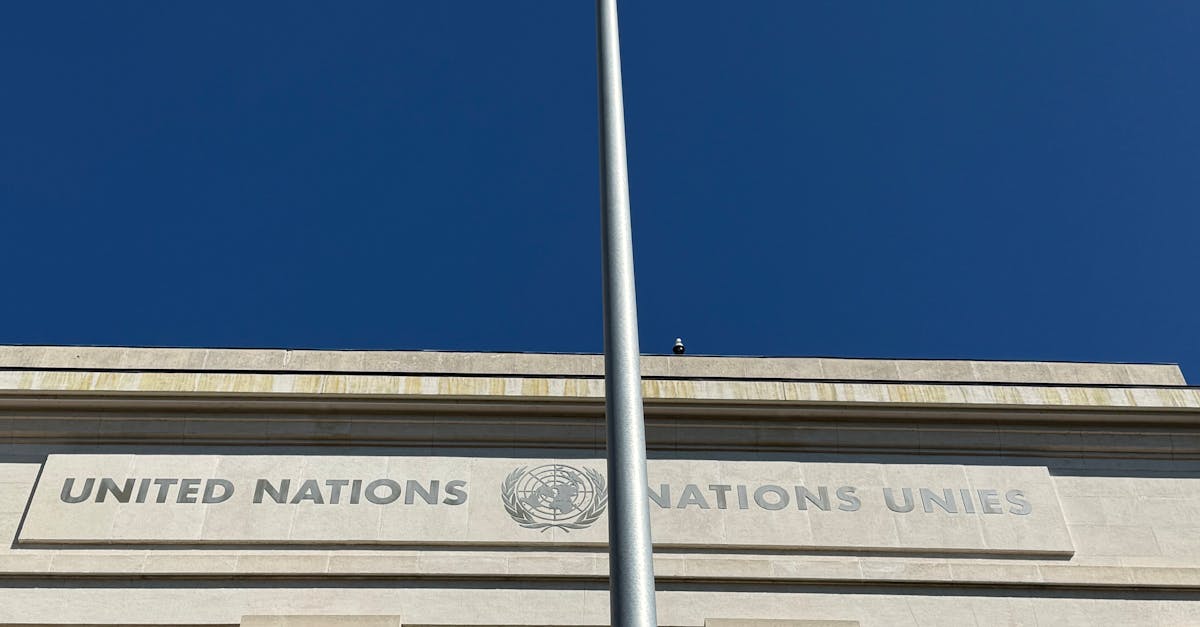
The court has framed the sanctions in similar terms. In a statement from the ICC, it said the US measures were “a clear attempt to undermine the independence of an international judicial institution” and noted that the court serves 125 states parties.
That leaves a practical question for European capitals: can the court keep operating without a more formal shield for staff, judges and counterparties that may fear exposure to US restrictions? Triggering the blocking statute would not end the legal fight, but it would show the EU is willing to treat the sanctions as a direct challenge to an institution many member states helped build.
No EU move has been announced. After successive US sanctions decisions and increasingly direct warnings from the court, however, Brussels faces a starker choice over whether to keep its support for the ICC rhetorical or risk a sharper clash with Washington.

Yara Halabi
Foreign affairs correspondent covering the Middle East, the Gulf and US foreign policy. Reports from London.