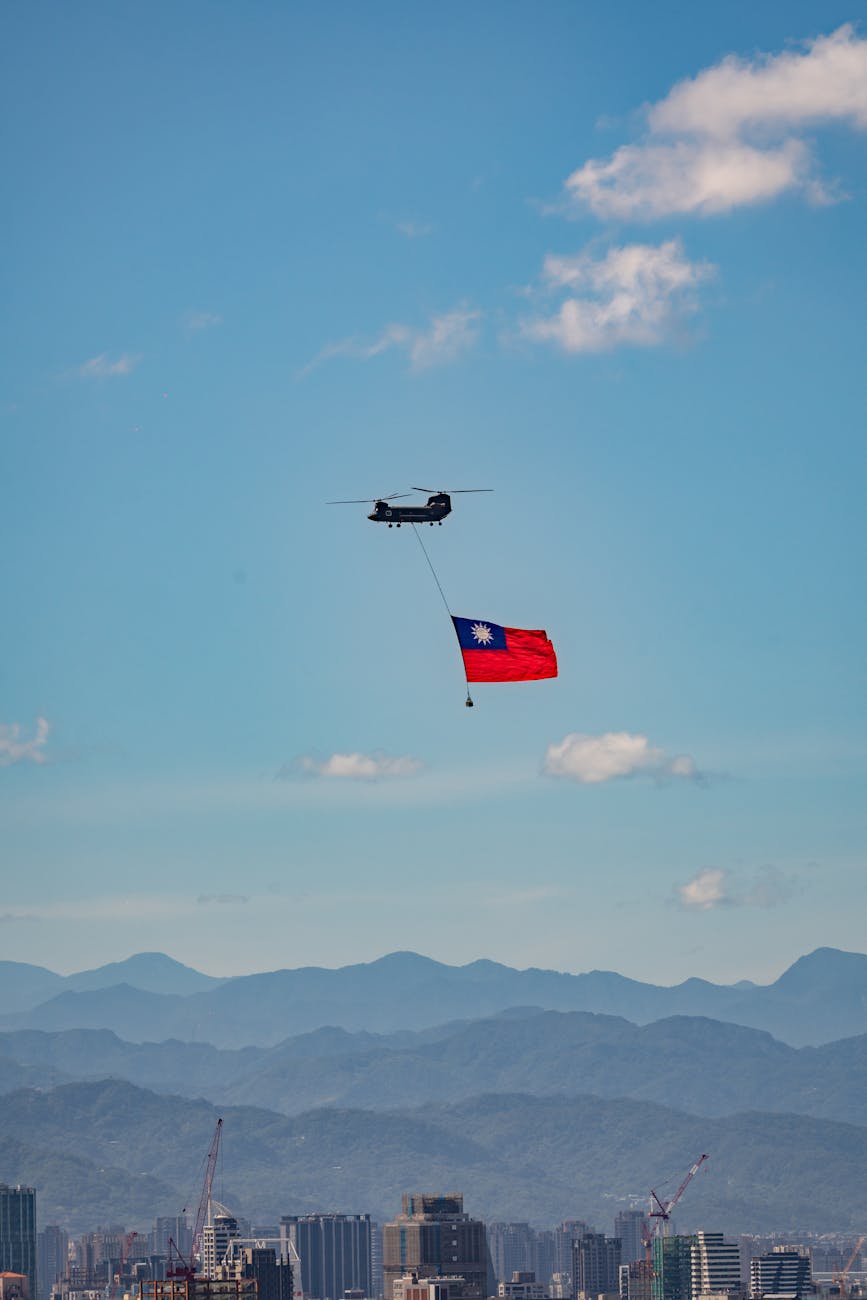
Chinese ship leaves Pratas after two-day Taiwan standoff
A Chinese coast guard ship left waters near Taiwan-held Pratas after a two-day standoff, exposing a new pressure point in the northern South China Sea.
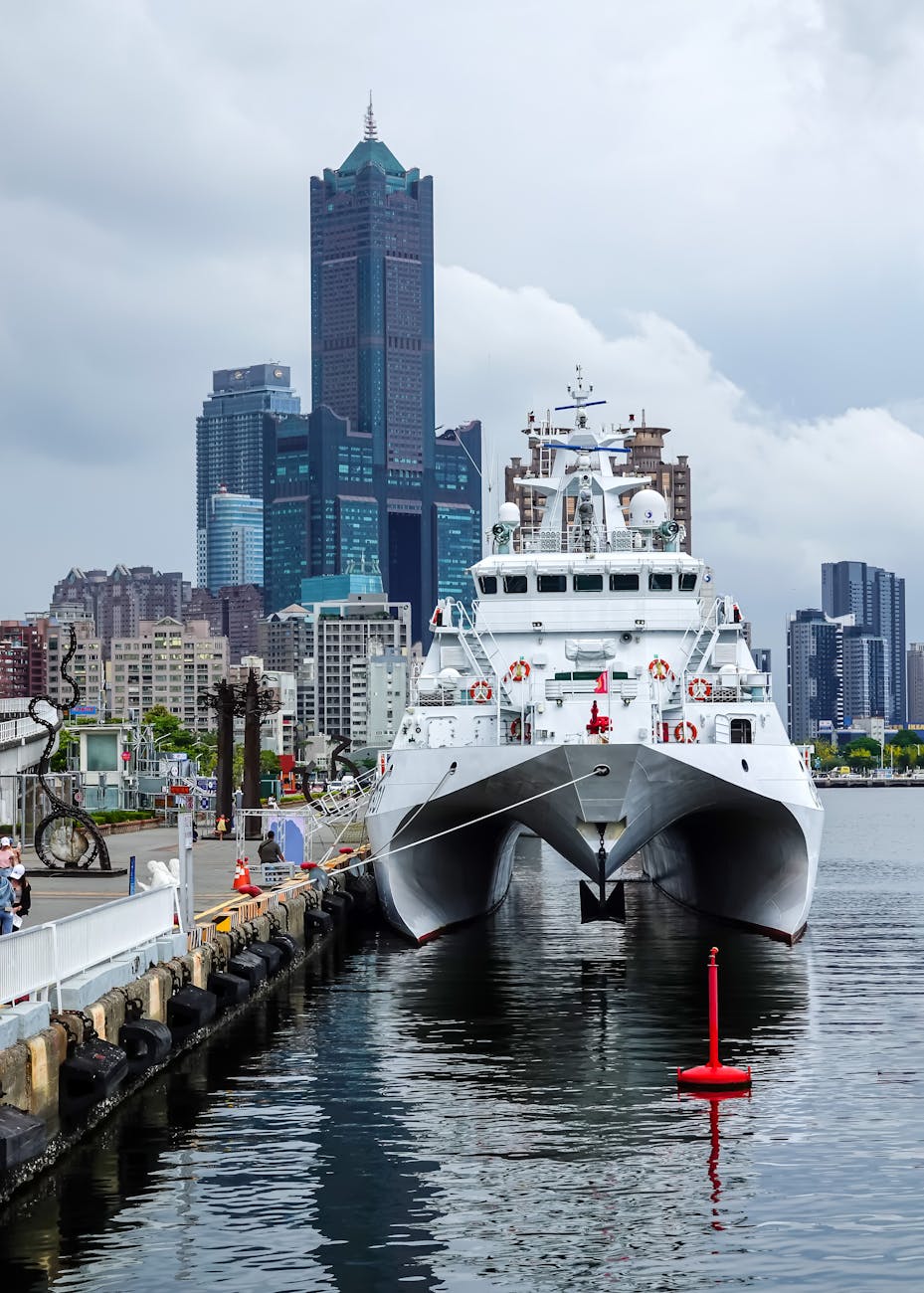
A Chinese coast guard ship left waters near Taiwan-controlled Pratas Islands on Sunday after a two-day standoff with Taiwanese vessels, easing the immediate confrontation but leaving a fresh security flashpoint in the northern South China Sea, Reuters reported.
Taiwan’s coast guard said the Chinese vessel had been operating about 21 nautical miles northeast of the islands, a Taiwan-held outpost more than 400 km (250 miles) from the main island. A coast guard official told Reuters that the distance forces any response to unfold far from Taiwan’s main bases and supply lines.
The encounter remained in coast-guard channels rather than escalating to naval forces. Taiwan crews warned the Chinese ship over radio with a message reported by Reuters:
“Please do not destroy peace. You should return and strive for democracy. That is the correct way to serve your country.”
Taiwan’s coast guard said it wanted the vessel to leave without turning the episode into a direct military showdown. CNBC also reported that the standoff had run into a second day before the Chinese ship withdrew.
Why Pratas matters
Pratas sits at the northern edge of the South China Sea, between Taiwan’s immediate security perimeter and waters where Beijing has been expanding coast-guard patrols. That geography gives even a brief encounter extra weight. A Chinese coast-guard ship near the islands tests how quickly Taipei can answer pressure around territory it controls while both sides stay below the threshold of open combat.
The islands’ remoteness adds to the risk. A ship 21 nautical miles away can force Taiwan to dispatch cutters, keep communications open and show it still controls an exposed outpost with long resupply lines. If crews start maneuvering rather than just talking by radio, the margin for error narrows quickly.
The radio exchange also showed how fast these incidents can become political as well as operational. Once messages are broadcast over open channels, Taiwan is speaking to the ship ahead of it, to domestic listeners and to regional partners watching how it handles Chinese pressure.
Joseph Wu, secretary-general of Taiwan’s National Security Council, said about 100 Chinese ships were operating inside the first island chain, which includes waters near Taiwan, Reuters reported. His comment put the Pratas episode inside a broader pattern of maritime pressure rather than treating it as an isolated patrol.
The ship’s departure ended this encounter, but it did not settle the larger issue. Coast-guard deployments let Beijing press its claims without crossing into naval conflict, and Taipei still has to respond in real time around a remote outpost it controls. For Taiwan, repeated short encounters around offshore islands can harden quickly into a pattern of routine pressure. Officials will now watch whether Chinese coast-guard vessels stay away or return to test the same waters again, Reuters reported.

Theo Larkin
Defense correspondent covering US military operations, weapons procurement and the Pentagon. Reports from Washington.