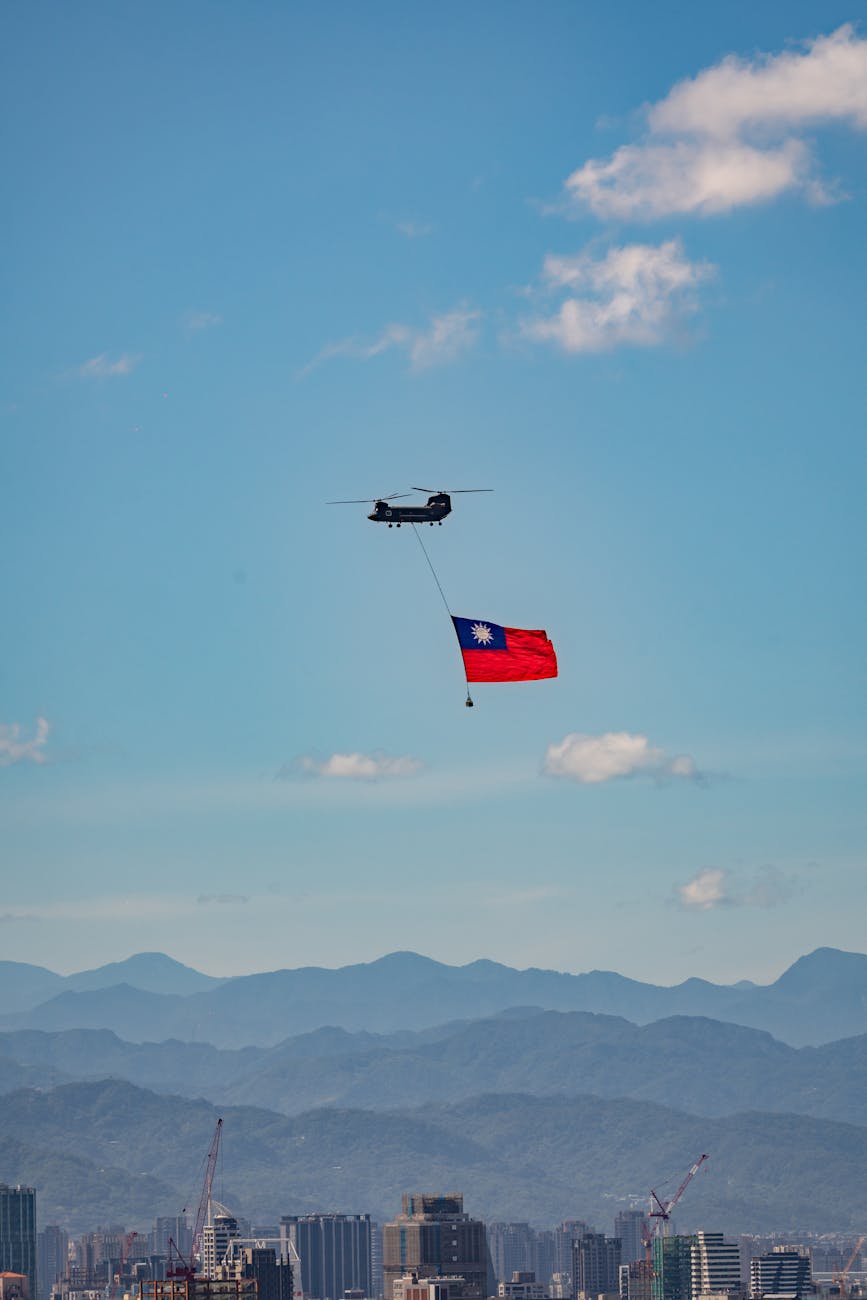
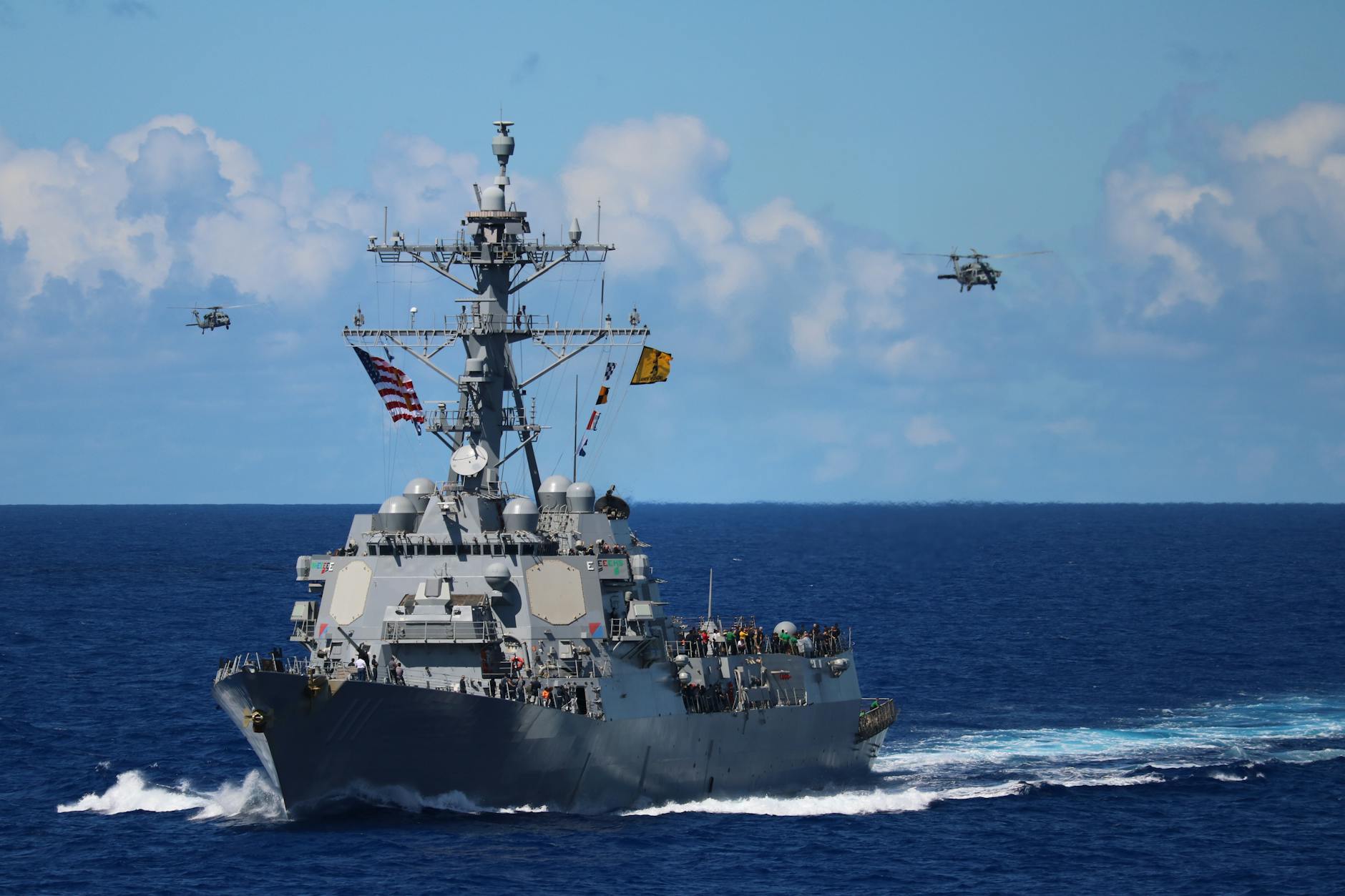
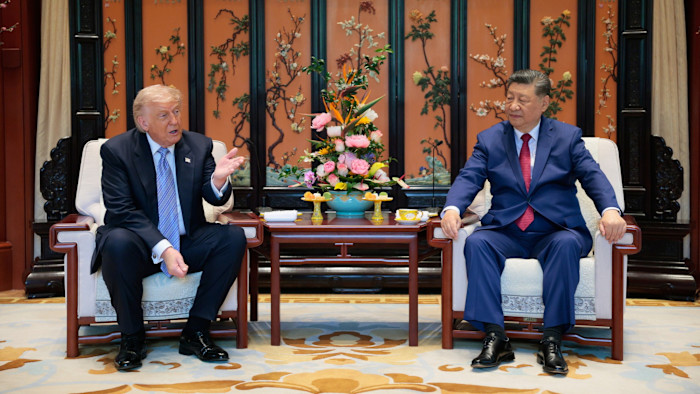
Taiwan arms package clouds Pentagon visit to Beijing
Taiwan arms package tensions are clouding a Pentagon visit to Beijing as China presses Washington over a planned $14 billion sale.
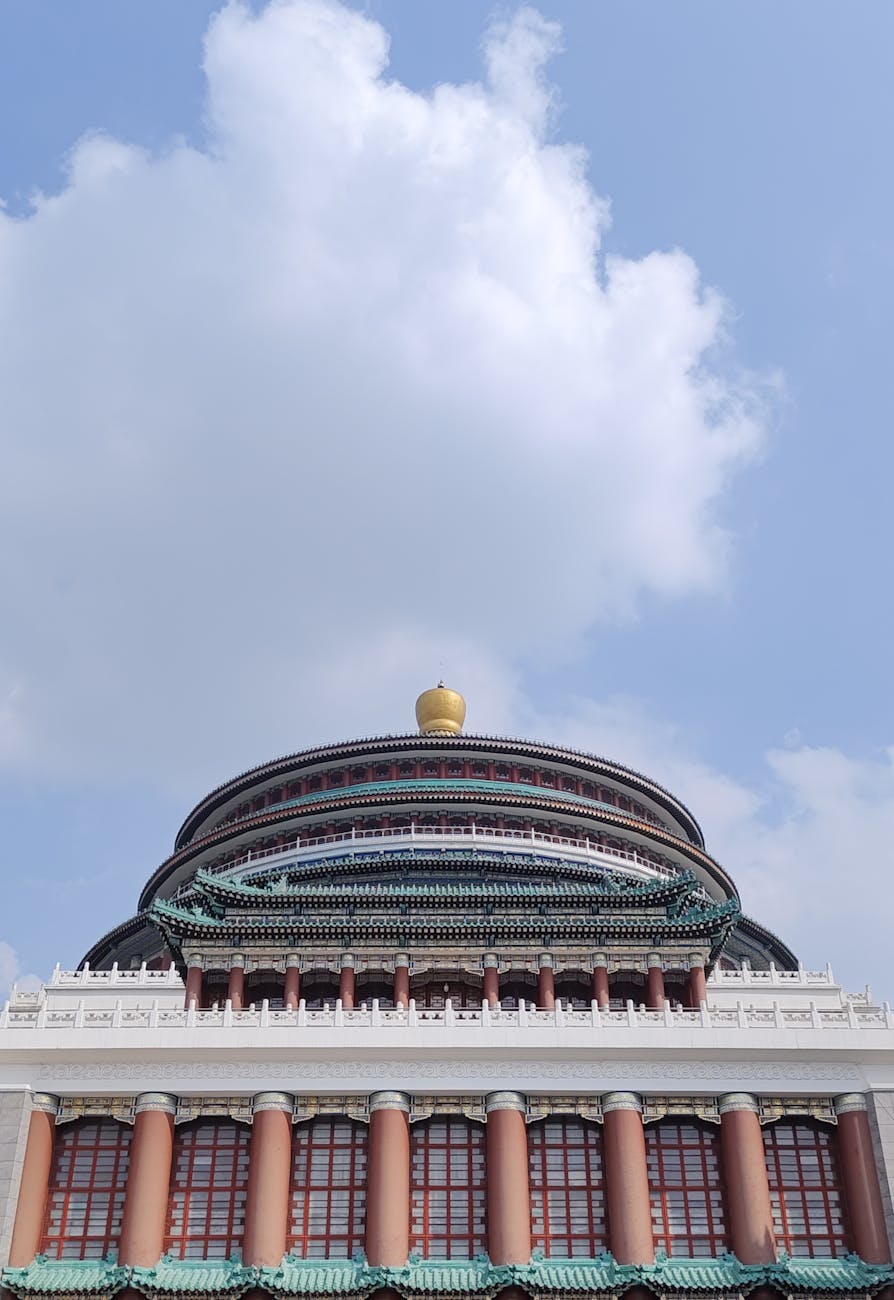
A planned visit to Beijing by Elbridge Colby, the US under-secretary of defence for policy, is in doubt after China delayed approval while protesting a planned $14 billion US arms package for Taiwan, the Financial Times reported.
Beijing is using the trip as leverage, trading access to a senior Pentagon official against movement on Taiwan policy. For Washington the question is narrower: can military channels stay open after Donald Trump’s trip to China earlier this year.
Chinese officials have held back a green light for Colby’s travel plans while pressing Trump’s team over the package, according to the FT. Colby is the Pentagon’s top policy official. Any trip would be read in both capitals as a signal about whether defence contacts can survive sharp disagreements over Taiwan and regional security.
Military-to-military talks are one of the few channels left when US and Chinese forces operate in close proximity in the western Pacific. If Beijing is tying approval for the visit to the Taiwan package, it is signalling that even those narrow contacts can be used to raise the cost of US decisions.
In Taipei, Taiwan defence minister Wellington Koo said he remained attentive to the pace of US arms decisions and described the outlook as follows:
“cautiously optimistic”
— Wellington Koo, Taiwan defence minister, via Reuters
Koo was discussing arms sales, not Colby’s proposed travel. Still, the remark captured how closely Taiwan is watching the timing of new approvals — and Beijing’s pushback has only sharpened that focus.
A March Reuters report said a new US weapons package for Taiwan could be approved after Trump’s March 31 to April 2 visit to Beijing. That report pegged the sale at $14 billion and said it would follow an $11 billion package from December 2025, suggesting arms transfers were moving ahead even as both sides tried to stabilize ties.
After the summit, officials on both sides could argue that diplomacy and day-to-day defence management still operated on separate tracks. The latest standoff suggests that claim is fraying, with Taiwan once again the issue Beijing uses to test how far Washington will go.
Senior defence meetings in this relationship are never purely logistical. They signal whether both sides still see value in crisis-management channels — a question that has grown sharper as friction over Taiwan has deepened. Neither capital has publicly signalled a willingness to climb down.
What Beijing is signaling
China has long objected to US arms sales to Taiwan, which Beijing claims as its territory. In the March Reuters report, the foreign ministry said its opposition to US arms sales to Taiwan was “consistent and unequivocal”.
“opposition to U.S. arms sales to China’s Taiwan region is consistent and unequivocal”
— China’s foreign ministry, via Reuters
For the Trump administration, the immediate question is whether the dispute stays limited to a delayed visit or spills into a broader freeze in defence contacts. In the same report, a senior US official said there was “no change” in Washington’s Taiwan policy.
“There is no change to our policy with respect to Taiwan”
— senior U.S. official, via Reuters
Neither position leaves much room for compromise. If the sale proceeds on the scale described in the earlier report, China will have to decide whether denying Colby access is a short warning or the start of a wider squeeze on military dialogue.
In Taipei, the timing is not abstract. Arms approvals shape delivery schedules, confidence in US backing, and Beijing’s read on how much friction Washington is prepared to absorb over Taiwan.
For now, the package and the visit are yoked together. Whether Colby eventually reaches Beijing may show how much space is left for steady defence contact when Taiwan returns to the center of the argument.

Theo Larkin
Defense correspondent covering US military operations, weapons procurement and the Pentagon. Reports from Washington.