Britain readies Strait of Hormuz mission if Iran deal holds
Britain's Strait of Hormuz mission would hinge on drones, escorts and coalition cover, because a ceasefire claim alone will not bring ships back.
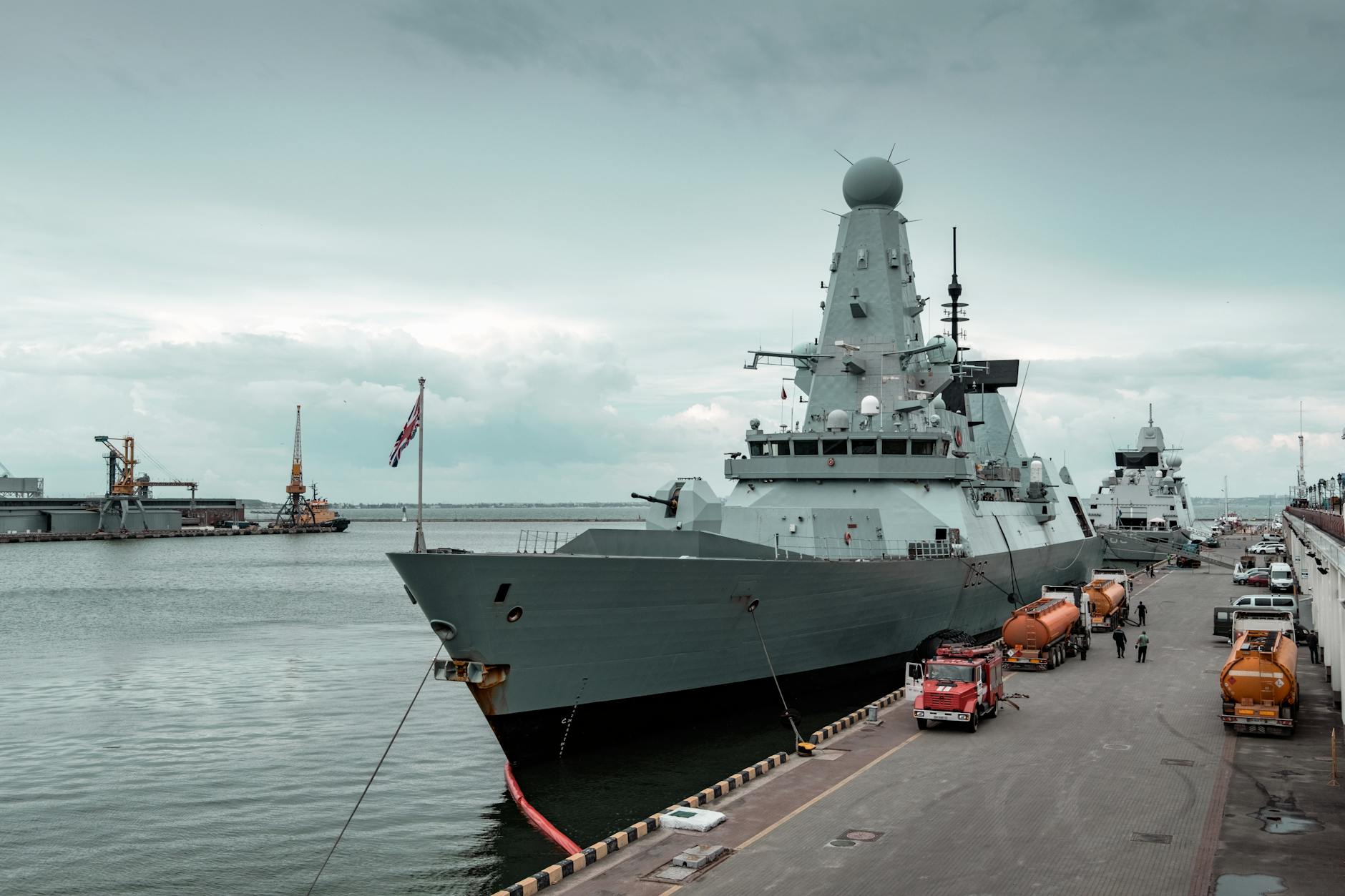
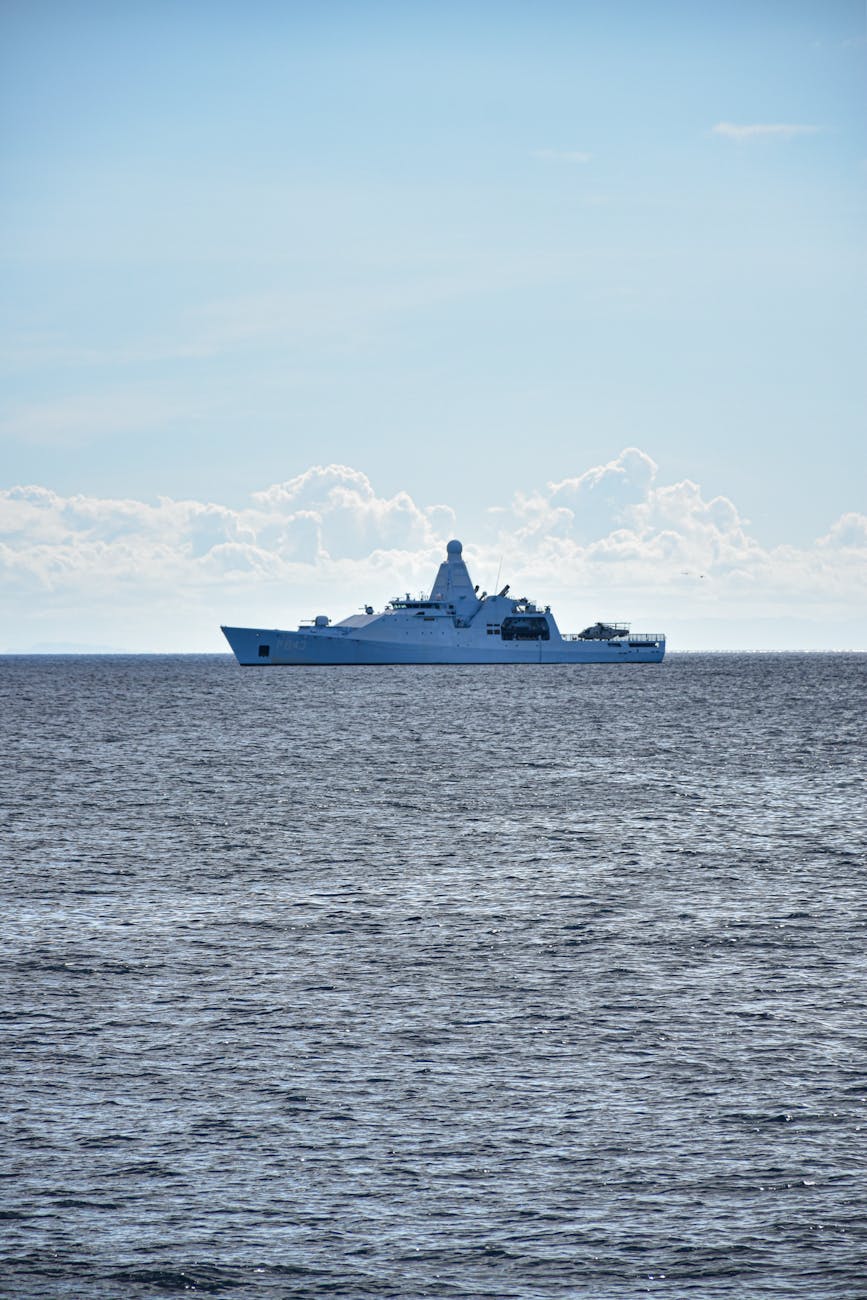
British forces at Gibraltar are preparing for a mission that could help reopen the Strait of Hormuz, under a plan set out by the UK defence ministry, if fighting with Iran gives way to a durable settlement. Built around HMS Dragon, Typhoon jets, autonomous mine-hunting systems and counter-drone equipment, the package reads less like an announcement that the waterway is safe than a signal that London wants a role in securing it as soon as diplomacy creates an opening.
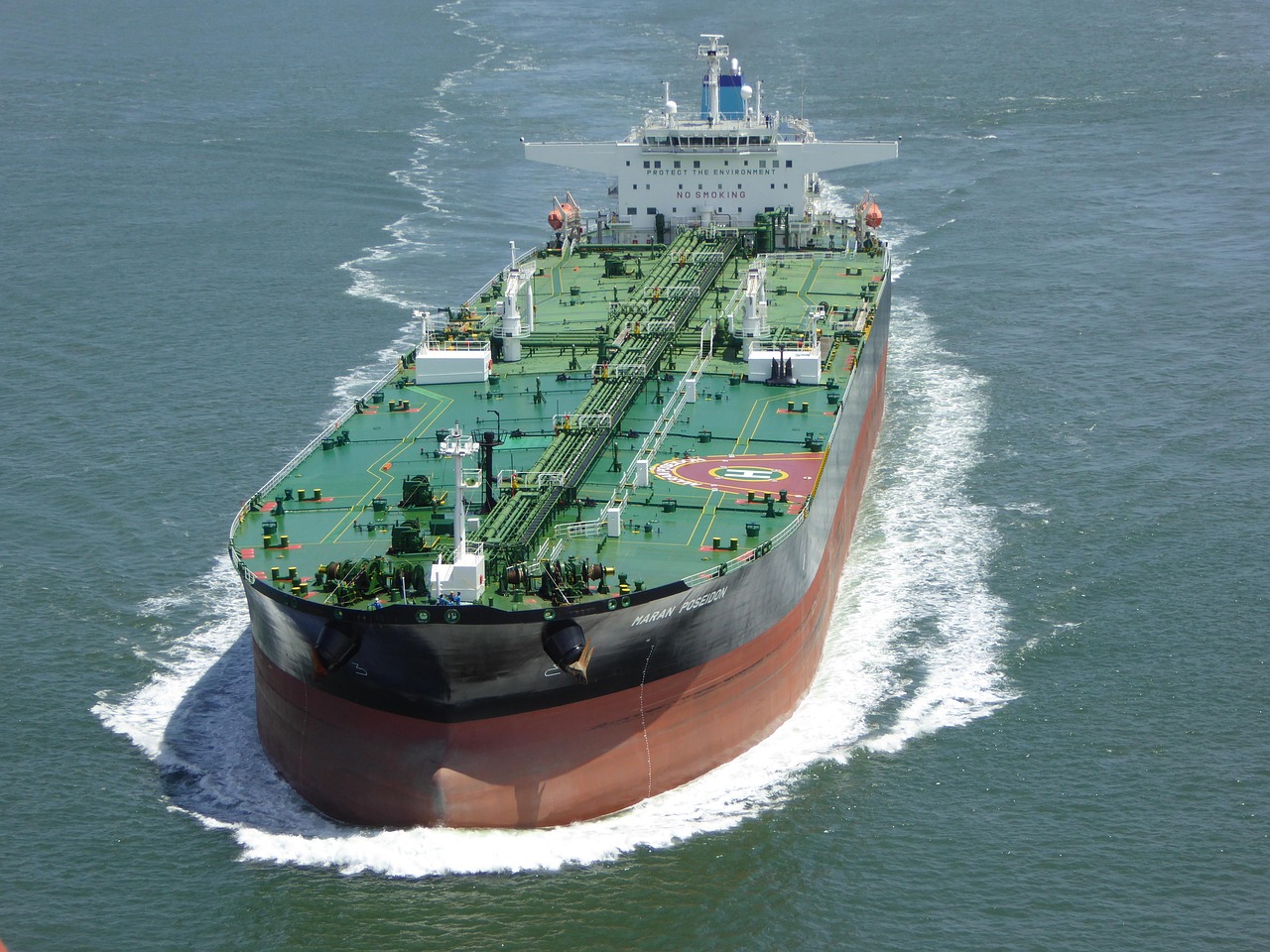
Crucially, Britain is not saying commercial traffic can move normally again. Instead, the Trump administration’s claim that an agreement with Iran has been “largely negotiated” remains contingent, and the British move addresses the phase after any ceasefire, when governments would have to prove that ships can transit a chokepoint carrying about a fifth of the world’s oil without running a mine, drone or missile gauntlet.
From the coalition-planning side, the same facts look different. A British destroyer and specialist mine-clearance gear are useful niche tools, yet they do not by themselves answer the bigger question of confidence. More than 100 ships have already been redirected, and shipping companies, insurers and naval partners are likely to wait for evidence of sustained cover before treating the route as normal again.
In public, Trump has described the diplomatic backdrop in sweeping terms. As Trump said, according to The Guardian:
“An Agreement has been largely negotiated, subject to finalization between the United States of America, the Islamic Republic of Iran, and the various other Countries.”
— Donald Trump, quoted by The Guardian
If a deal holds, somebody still has to do the slow military work of reopening the lane.
What Britain can actually field
London’s package is deliberately narrow and technical. In its statement, the defence ministry said London will commit £115m for mine-hunting drones and counter-drone systems, deploy Typhoon jets with tanker and surveillance support, and send HMS Dragon into position while drawing on more than 1,000 UK personnel already across the region. After a summit that brought together more than 40 nations, the message was that Britain can plug into a multinational screen quickly, especially from Gibraltar, rather than build a stand-alone fleet from scratch.

For planners, one insider question remains only partly answered. The New York Times reported that British forces at Gibraltar were preparing autonomous mine-hunting equipment and a destroyer for possible deployment, but The Times reported Britain has only a handful of minehunting drones readily available in the Gulf. In practice, London’s edge is specialisation, not mass. It can help search lanes, screen escorts and contribute air cover, but it still needs a wider coalition to keep the corridor open day after day.
In the ministry’s own phrasing, the mission is conditional and collective. As John Healey said in the ministry statement:
“With our allies, this multinational mission will be defensive, independent, and credible.”
— John Healey, UK defence secretary, GOV.UK
Here the wording matters. “With our allies” is the operative phrase, because the hardware mix only makes sense inside a broader architecture. Breaking Defense reported that the plan under discussion is Europe-led, not purely British, which fits the shape of the British contribution: mine-clearance expertise, a high-end escort ship and enough air assets to make the coalition thicker, not complete.
Even so, the threat picture explains why London has put money into drones at both ends of the problem. Britain is preparing systems to find mines, but it is also preparing to blunt the air threat that hangs over any escort mission. Al Carns told the New York Times that British forces in the region have already been heavily engaged.
“we’ve shot down over a hundred drones”
— Al Carns, UK armed forces minister, The New York Times
For commercial masters and crews, that line is a reminder that even a post-deal transit mission would not start in a permissive environment. A convoy route can be charted on a map, but making it feel survivable is harder.
Why shipping may wait longer than diplomacy
For tanker operators, the question is less about what Britain can send than about what markets will believe. Britain’s own statement says the mission would be defensive and tied to a multinational framework, which is sensible. Yet a defensive mission still has to persuade shippers that a passage only 21 miles wide at its narrowest can absorb disruption without another stoppage. That is a higher bar than announcing a ceasefire, and it is the skeptic’s strongest point.
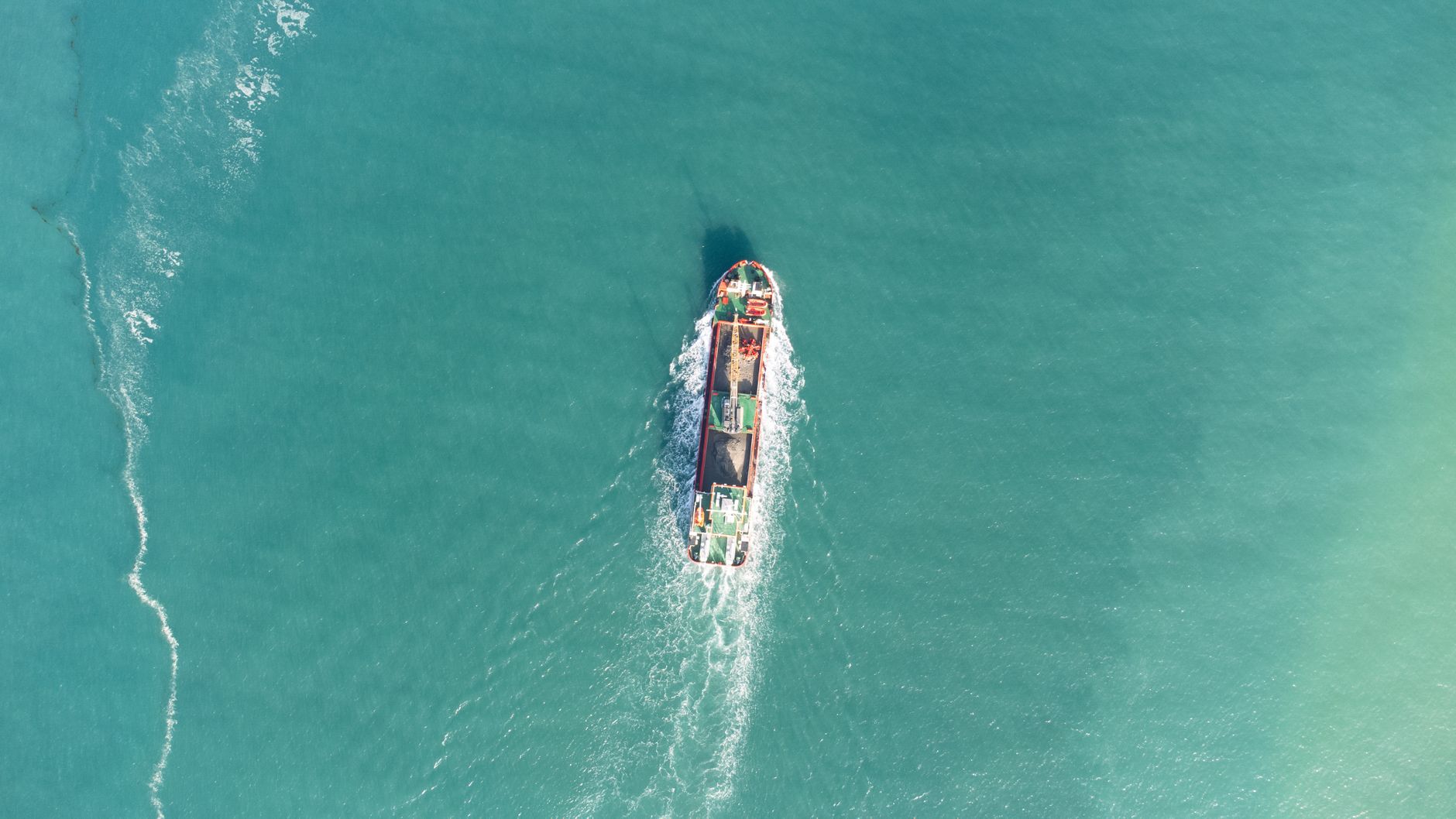
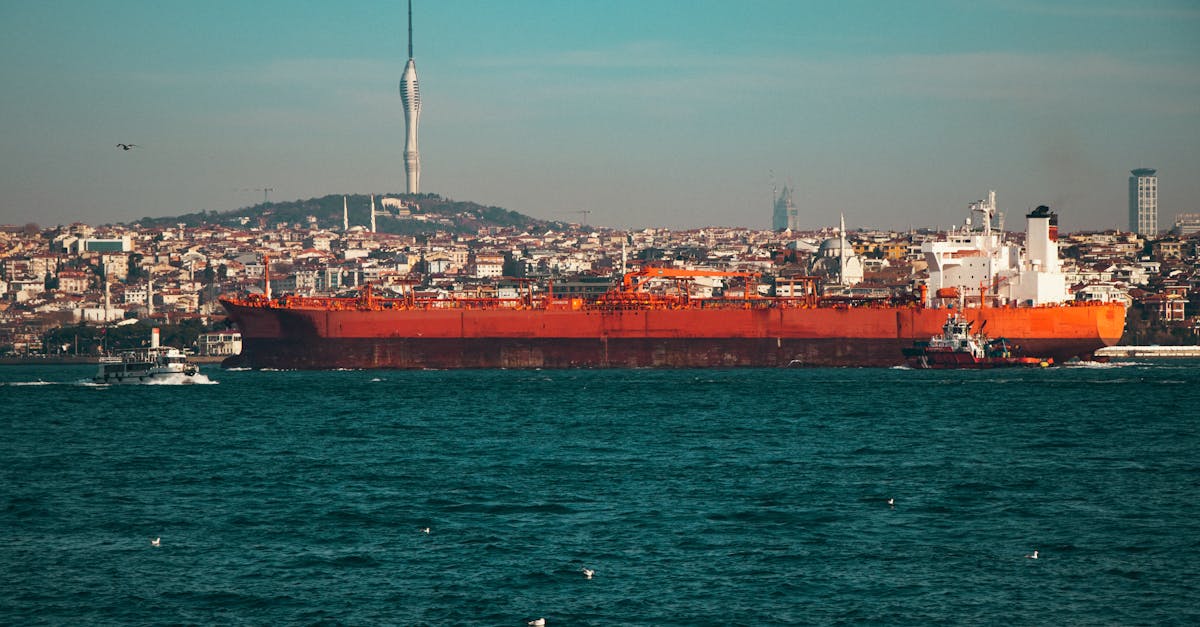
Recent evidence suggests political language will not be enough. The Hill reported that more than 100 ships had already been diverted as the blockade intensified. The Washington Post reported from aboard a vessel taking gunfire while trying to escape the waterway. The New York Times reported earlier in the closure that traders were already searching for overland routes through Syria to keep oil and goods moving. Once that rerouting begins, reopening the waterway becomes a matter of credibility as much as naval access.
Viewed from London, the move is also a test of allied burden-sharing. Trump is plainly trying to shift the security follow-through onto partners after pushing the diplomacy in public. London can show alignment with Washington by pre-positioning Dragon and minehunting systems, but the real audience is broader: Gulf partners, European allies, insurers and shipowners. If those actors conclude the mission is too thin, Britain will look willing but not yet decisive.
Still, a Europe-led package has limits without visible American depth. The British government can contribute a destroyer, aircraft and specialist drones. It cannot on its own replicate the intelligence, surveillance, logistics and reserve firepower that make shipping lanes feel protected over weeks, not hours. That gap is why the post-ceasefire phase could prove more politically awkward than the diplomacy that precedes it. A deal can be announced in one post. A shipping corridor has to work every day.
For Britain, the announcement is really about the military work any Hormuz agreement would require. It shows London understands that reopening the strait would hinge on escorts, mine clearance and coalition presence, not on rhetoric alone. It also shows the limits of the British role. If the deal takes shape, HMS Dragon and autonomous mine-hunting systems could help reopen the lane. Whether they can help normalise it is the harder question, and the one markets will answer only after ships start passing safely again.

Theo Larkin
Defense correspondent covering US military operations, weapons procurement and the Pentagon. Reports from Washington.