Turkey-Israel rivalry grows as Iran war shifts Middle East
Turkey-Israel rivalry is sharpening as the Iran war pushes Ankara toward new regional pacts, turns Syria into the main arena and tests US leverage.

Turkey is moving from cautious bystander to active regional broker as the U.S.-Iran war scrambles the Middle East, and that shift is pushing Ankara toward a colder, more durable rivalry with Israel. The Washington Post reported from Ankara that Turkish officials now see the postwar balance, not only the fighting itself, as the real contest.
That reflects geography and force structure as much as politics. Turkey shares a 350-mile border with Iran, fields NATO’s second-largest armed forces after the United States and, according to the Post, saw alliance air defenses intercept four Iranian missiles headed toward Turkish airspace. Yet Turkish concern is not simply spillover from Tehran. It is the possibility that an Israeli military advantage over Iran could harden into wider regional reach, especially in Syria, a fear also visible in analysis from The Jerusalem Post.
But the alarm in Ankara does not mean a Turkish-Israeli war is next. The more restrained reading, reflected in War on the Rocks, Responsible Statecraft and the European Council on Foreign Relations, is that U.S. influence, NATO ties, deterrence and plain economic self-interest still put limits on both sides. What looks more likely is a long contest that flares through proxies, airspace incidents and competing bids to shape Syria’s next order.
From the Turkish foreign-policy establishment’s perspective, the aim is to prevent Washington, Tehran or Jerusalem from writing that order alone. Hakan Fidan told the Post that Ankara is trying to build more regional solidarity just as NPR reported that Gulf allies pressed President Donald Trump to pause a planned strike and keep negotiations alive. That is the logic behind Turkey’s current language: regional capitals want a say before any U.S. exit freezes a new map.
“We are seeking to increase solidarity among the region’s nations”
— Hakan Fidan, The Washington Post
Syria is the real arena
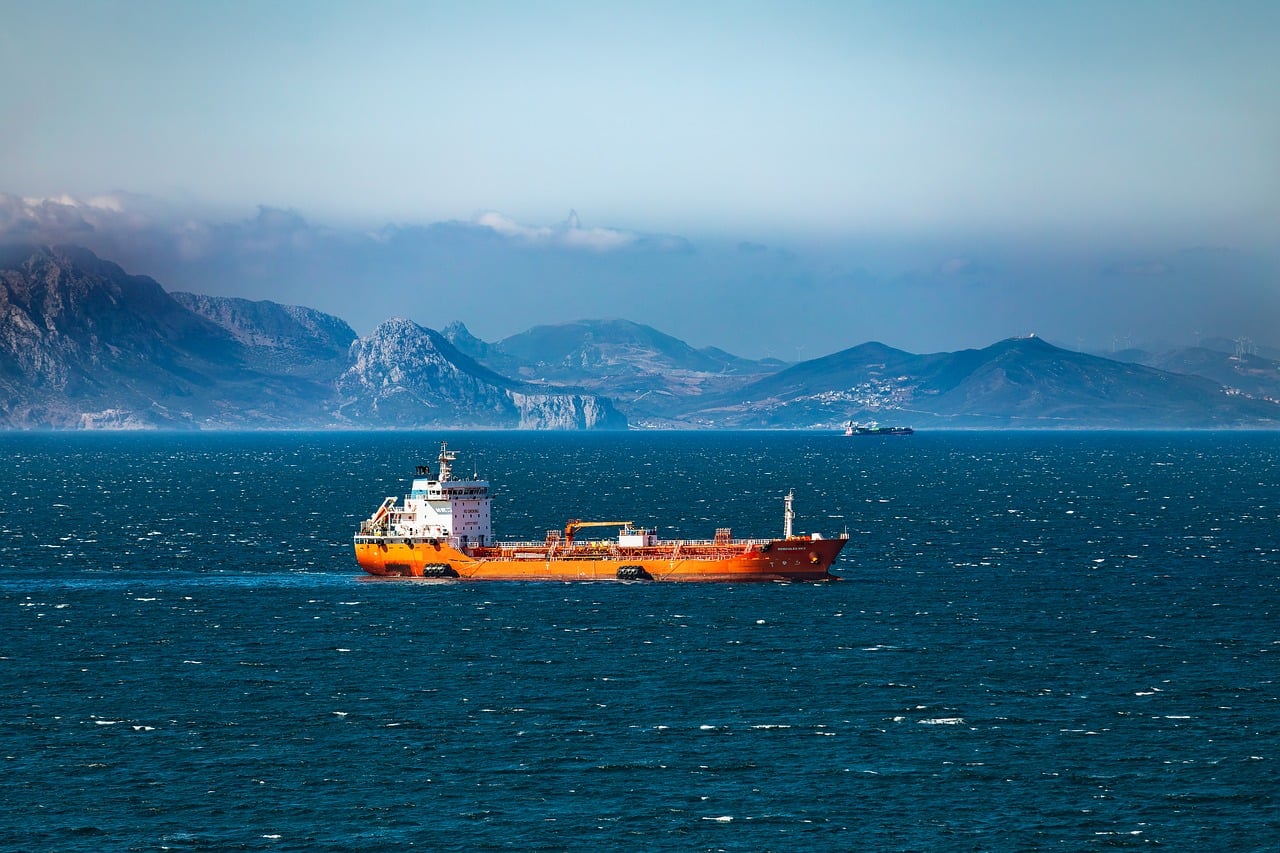
If there is a single answer to the analyst’s question about where a Turkish-Israeli flashpoint is most likely, it is Syria. The New York Times reported that the war’s disruption of routes through the Strait of Hormuz has already pushed governments and traders to think again about Syria as a corridor. The New Arab has argued that the same country is where Israel’s desire to preserve freedom of action and Turkey’s desire to shape the new Damascus order are most likely to collide.

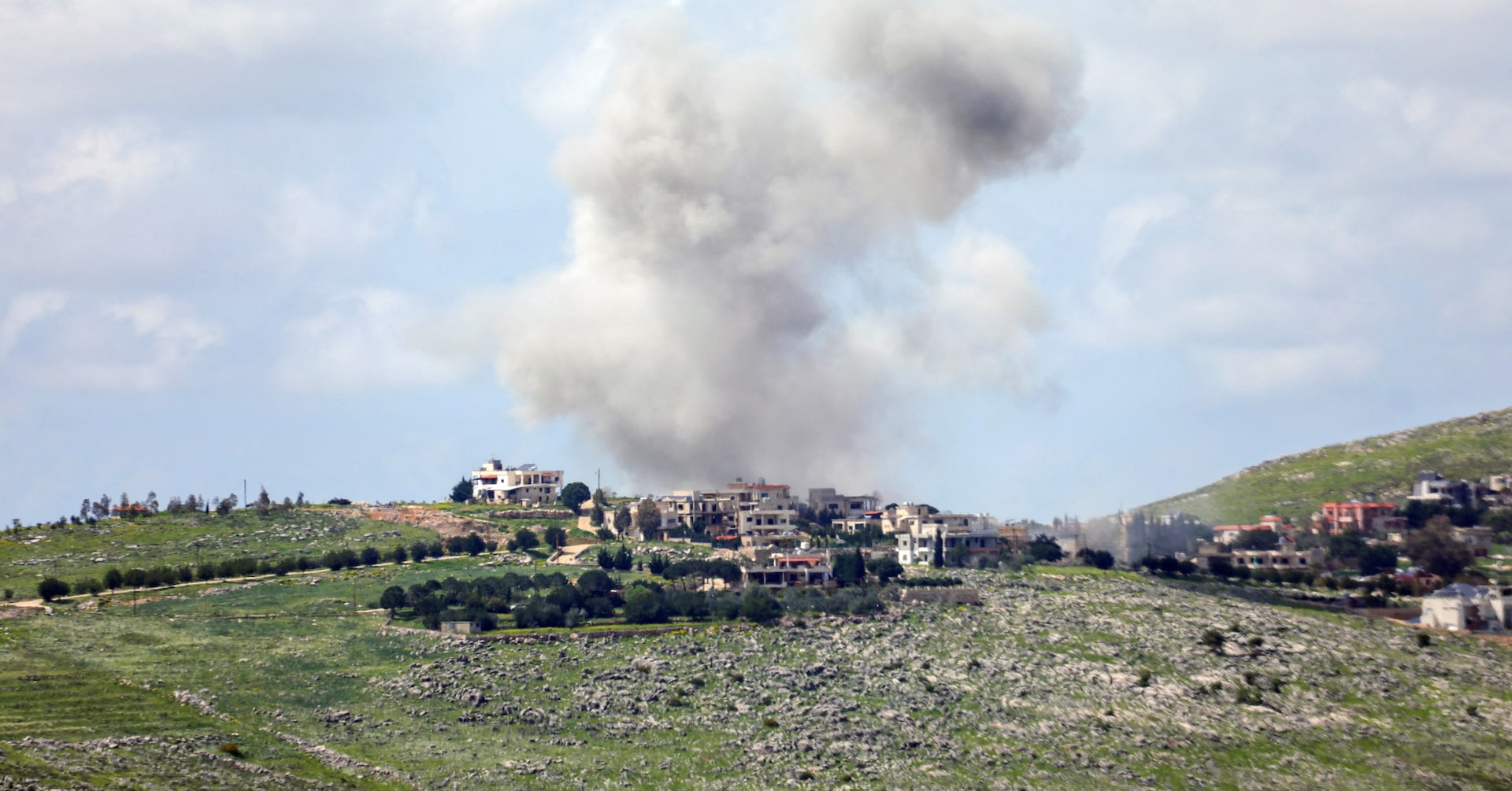
In practice, Syria is more than a background theater. For Turkey, it is the front line of border security, refugee management and post-Assad influence. For Israel, it is a buffer against Iranian recovery and a zone where military reach can still be demonstrated after the Iran campaign. The Post’s reporting and the Times’ account point to the same conclusion: a weakened Iran does not empty Syria of rivals, it changes which rivals matter most.
Former Turkish ambassador Tacan Ildem sketched the Turkish case in blunt terms in the Post’s report. Ankara wants regional states, not outside powers, to manage the next phase.
“regional ownership is crucial because sometimes external powers alien to the very nature of the region’s problems can create a big mess”
— Tacan Ildem, The Washington Post
Seen from Ankara, that also answers the insider question about why Turkey is pushing regional ownership now. Turkey is trying to move early, while Washington is still searching for an exit and while Israel is still translating battlefield gains into diplomatic weight. NPR’s reporting on Gulf pressure for a pause suggested the war has not erased regional bargaining power. It has, instead, made that bargaining power more valuable.
Why a weaker Iran does not reassure Ankara
An easy assumption is that Turkey should welcome any Iranian setback. Analysis in Foreign Affairs and The Jerusalem Post point the other way. Ankara has little interest in an Iran strong enough to dominate the Levant, but it has no interest either in an Israeli-centered order that leaves Turkey facing a freer Israeli hand in Syria, the eastern Mediterranean and even the Horn of Africa. A weakened but intact Iran may still look preferable to Turkish strategists than a vacuum filled on Israeli terms.
The Jerusalem Post argued that the war is already pulling some Gulf states closer to Israel while pushing others toward a more cautious stance. For Turkey, that split matters. Ankara does not need every Arab capital on its side; it needs enough overlap with Gulf states on shipping lanes, reconstruction and postwar diplomacy to keep Israel from becoming the default security partner across the region.
Israeli rhetoric is helping lock that perception in place. The Post reported that former Israeli prime minister Naftali Bennett described Turkey as “the new Iran”, a line that may play well inside Israel but sounds in Ankara less like deterrence than target selection. That matters because the rivalry is no longer only about Gaza or diplomatic insults. It is increasingly about which middle power gets to set the rules in the arc from Syria to the Gulf.
“Turkey is the new Iran”
— Naftali Bennett, The Washington Post
For Ankara, the preferred outcome is balance, not triumph. Turkish officials can live with an Iran that is weaker and more cautious. They would struggle more with an order in which Israel emerges as the region’s clearest military setter of terms while the United States reduces its daily role.
What keeps the rivalry cold
Interdependence is part of the case for caution. Middle East Eye reported that Azerbaijani oil routed through Turkey accounts for about 50 per cent of Israel’s oil consumption, a reminder that even hostile politics can sit beside uncomfortable interdependence. ECFR and War on the Rocks both argue that Washington and Europe still have room to keep the rivalry from sliding into open conflict, even if they cannot dissolve it.

Routes matter as much as rhetoric. The Times’ reporting on Syria’s renewed value as a corridor around Hormuz showed why neither Ankara nor Jerusalem can treat the map as a simple battlefield. Trade corridors, energy routes and reconstruction plans now sit beside military calculations, which is another reason the rivalry is likely to stay persistent rather than cleanly erupt or fade.
The skeptic’s question about how much NATO and U.S. influence matter gets only a partial answer, but it is still an answer. The reported interception of four missiles headed toward Turkish airspace underlines that Turkey’s security is still tied to alliance systems. So does Trump’s decision to hold off on a strike after Gulf lobbying, which showed that Washington remains the one actor able to slow several fronts at once. Those are brakes, not solutions, and they may hold only as long as Syria stays a managed contest rather than a direct one.
That leaves the policy problem in plain view. The United States and Europe are no longer managing only the Iran file; they are managing the growing distrust between two regional powers whose interests now overlap most sharply in Syria. The likely outcome is not an immediate Turkish-Israeli war. It is a more crowded Middle East, with recurring crises, sharper rhetoric and a steady contest over who shapes the order that emerges after the Iran war. Turkey appears determined not to watch that order being written from the sidelines.

Yara Halabi
Foreign affairs correspondent covering the Middle East, the Gulf and US foreign policy. Reports from London.