RFK Jr fires preventive health task force leaders
Health Secretary Robert F. Kennedy Jr. fired the top two leaders of the U.S. Preventive Services Task Force, leaving the panel that shapes no-cost preventive care with eight members.
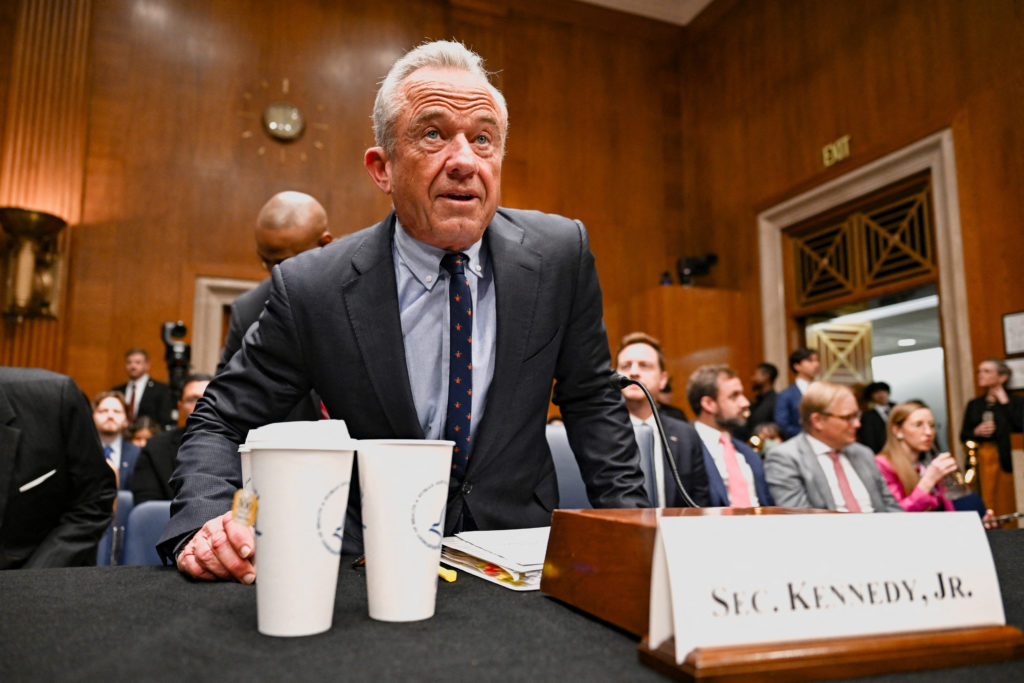
Health Secretary Robert F. Kennedy Jr. fired the chair and vice chair of the U.S. Preventive Services Task Force, according to letters reviewed by Reuters, removing the top two leaders of the panel whose recommendations help determine which preventive services many Americans receive without cost-sharing.
The dismissals of John Wong and Esa Davis came as the Department of Health and Human Services sought applications for new task-force members by May 23. They also add to turnover on a panel that advises on preventive care under the Affordable Care Act and was already operating below its usual size.
Wong, a professor at Tufts University School of Medicine, was the chair. Davis, a professor at the University of Maryland School of Medicine, was vice chair. Reuters reported that Wong’s term was due to end in March 2027 and Davis’s in March 2028. The 16-member task force had already lost five members whose terms expired in December and were not replaced. After the firings, The Hill reported, eight members remained.
Wong told Reuters he left the panel “with trepidation around the validity of the process,” a remark that underscored the questions around how the removals were handled.
Why the panel matters
The task force works largely outside public view, but its evidence reviews and recommendation grades help shape which screenings and other preventive services insurers must cover without cost-sharing. That gives the panel influence over routine medical care well beyond Washington.
Members typically rotate off through fixed terms and staggered appointments, not by losing both top leadership posts at once. The dispute is now about more than staffing. It is also about whether the administration will continue to treat the panel’s recommendations as independent scientific judgments.
Kennedy described the decision as “administrative in nature” in one of the letters, Reuters reported. Yet removing the panel’s top two officials while several seats remain unfilled gives the health secretary more sway over a process long presented as expert-led.
Kennedy had previewed his frustration a day earlier. In an interview with CNN, he said the task force had been “lackadaisical” and “not been doing its job.”
What happens next
HHS is now trying to refill the panel quickly. Reuters reported that the department set a May 23 deadline for applications to the volunteer body, suggesting the administration wants to move fast after months of vacancies and this week’s firings.
It is not yet clear how smoothly the task force can continue its review work while operating at roughly half strength. The Hill’s count of eight remaining members suggests the panel can still function, but it also shows how much room Kennedy has to reshape the group if he fills the empty seats at once.
For patients, doctors and insurers, the immediate issue is uncertainty around a panel whose guidance affects ordinary parts of the health system, from preventive screening decisions to the benefits many plans must cover. The firings do not automatically change those recommendations, but they come as the administration shows a greater willingness to intervene in bodies that had long kept some professional independence.
Whether Kennedy uses the openings to install like-minded appointees or simply restore the panel to full strength should become clearer once HHS announces replacements. Until then, the group that helps define preventive care coverage under federal law is operating without its top two leaders and with half its usual membership.

Ramona Castellanos
US politics correspondent covering Congress, primaries and the Trump administration. Reports from Washington.