Ukraine strikes on Russian oil raise Moscow's war costs
Ukraine strikes on Russian oil and rear-area air defenses are forcing Moscow to protect refineries, fuel flows and front-line logistics at once.

Ukrainian mid-range strikes are forcing Russia to absorb damage both on the battlefield and far behind it, giving Kyiv one of its few ways to make an attritional war more expensive at two points at once, according to Reuters reporting and Ukrainian military data.
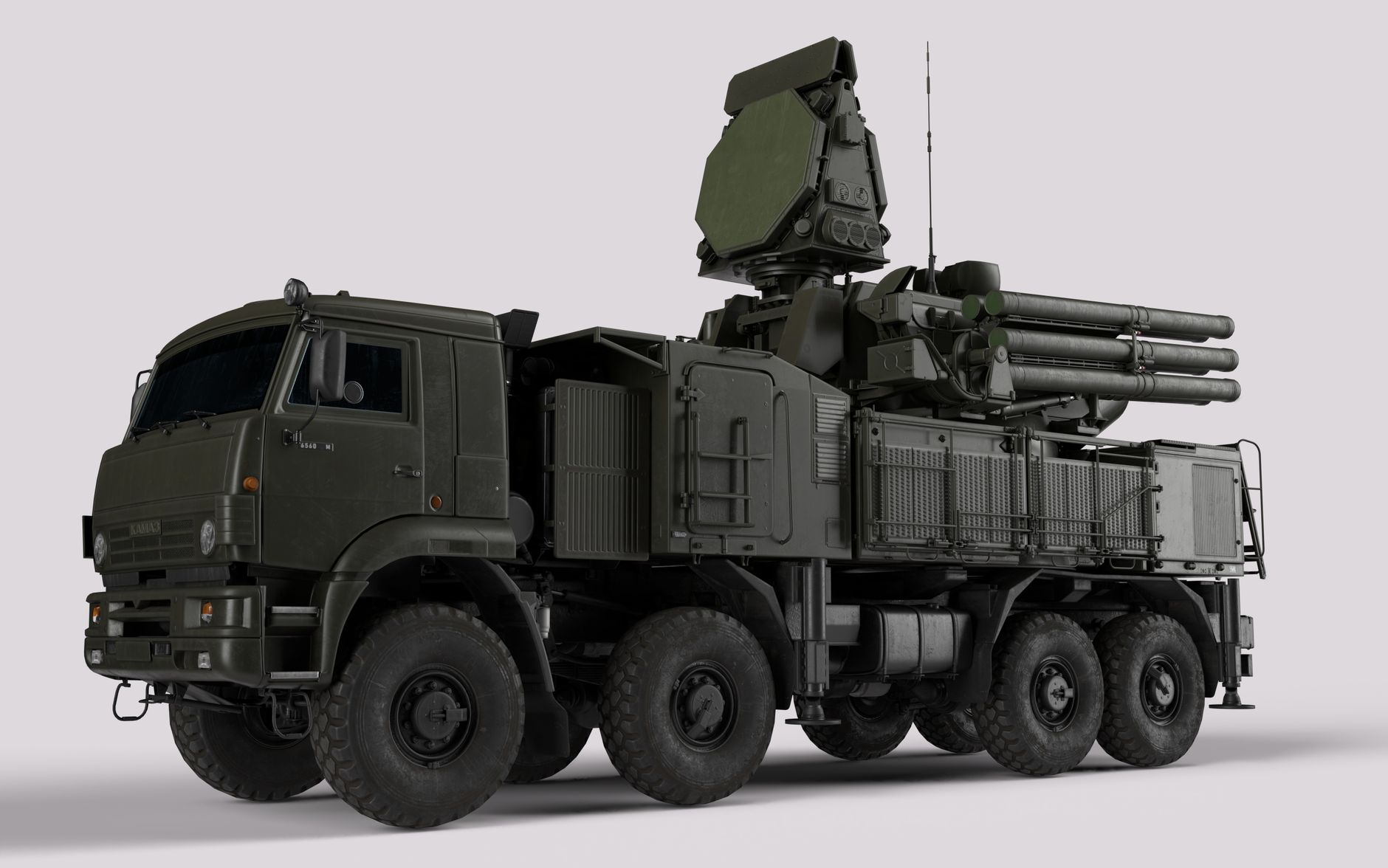
The logic of the campaign is not simply to set another refinery ablaze or land another drone near Moscow. It is to hit air-defense batteries, radar and logistics nodes in the 120 km to 150 km band, open corridors for deeper attacks, and then keep pressure on the fuel and export infrastructure Russia still needs to finance and sustain the war. Kyiv said its forces carried out more than 160 middle strikes in April and hit 25 Russian air-defense and radar systems in the same month, while separate deep-strike operations hit 14 refineries and terminals, plus two plants.
But the harder question is whether that campaign changes the balance or merely taxes it. Justin Bronk of the Royal United Services Institute, speaking to Reuters, has framed the military effect as cumulative rather than cinematic: every system Russia must move, guard or replace is one less asset concentrated near the front. That does not mean drone strikes seize ground by themselves. It means they can thin air-defense coverage, lengthen supply lines and improve the odds that the next wave gets through.
For Ukrainian commanders, that trade-off is already the point. Robert Brovdi, commander of Ukraine’s Unmanned Systems Forces, argued that the layer between short-range front-line attacks and the deepest strikes has become the most consequential part of the war because it lets Kyiv crack the rear area without matching Russia shell for shell.
“The role of middle strikes is currently decisive.”
— Robert Brovdi, Reuters
Recent attacks around Moscow and on energy infrastructure near Ryazan show how that theory works in practice. A radar site, a launcher, a depot or a refinery fire can each look isolated in a daily war bulletin. Taken together, they point to a Ukrainian effort to erase the clean line between Russia’s front and its rear.
Inside Ukraine’s own command, that is why the campaign has drawn so much attention. Kyiv is short of men, ammunition and air defenses compared with Russia. Stand-off strikes do not erase those disadvantages, but they offer a way to impose extra movement, repair and protection costs on the side with the larger resource base. In an attritional war, that is not a sideshow. It is a way of changing the arithmetic.
Stretching the rear area
The immediate military value comes from forcing Russia to defend more space with the same pool of systems. If a refinery, rail hub or ammunition point deep in the rear now looks vulnerable, Moscow has to decide whether to harden it, move supplies farther back, or accept recurring hits. None of those choices is free, and all of them ripple back toward the front.
Mashyna made the same point in The Independent when he explained why repeated attacks matter even without a spectacular breakthrough.
“The farther you pull back, the more you complicate logistics.”
— Illia Mashyna, The Independent
A supply line does not have to break outright to become less useful. Extra distance means longer truck runs, more fuel burned moving fuel, more time spent unloading and reloading, and a broader stretch of road and rail to guard. If Russia has to shield refineries, depots, radar sites and approach routes at the same time, the defense of any one of them becomes thinner.
Bronk’s question, then, is the right one: does that slow Russian advances, or does it simply raise their price? The evidence so far points first to a cost increase, and only conditionally to an operational slowdown. Russia is still able to keep pressure on the front. Yet every battery pulled rearward and every logistics node relocated makes that pressure more expensive to sustain.
Ukraine’s leadership is betting that tempo can magnify that effect. Volodymyr Zelenskyy said the volume of contracted middle-strike assets this year is already five times higher than last year, a sign that Kyiv wants these attacks to become routine rather than episodic.
“This year, the volume of contracted middle strike assets is already five times higher than last year.”
— Volodymyr Zelenskyy, Ministry of Defence of Ukraine
Persistence matters because a one-off raid can be absorbed. A campaign that returns every few days is different. It forces commanders to plan for persistence, not surprise.
Turning fuel into a target
The economic side of the strategy is easier to see, even if it is still hard to measure precisely in real time. Bloomberg reported that Ukrainian attacks on Russian oil infrastructure climbed to a four-month high in April, with 21 strikes on those assets in the month. Separate Reuters reporting carried by The Star said drone attacks had knocked out about 700,000 barrels a day of refining capacity between January and May.
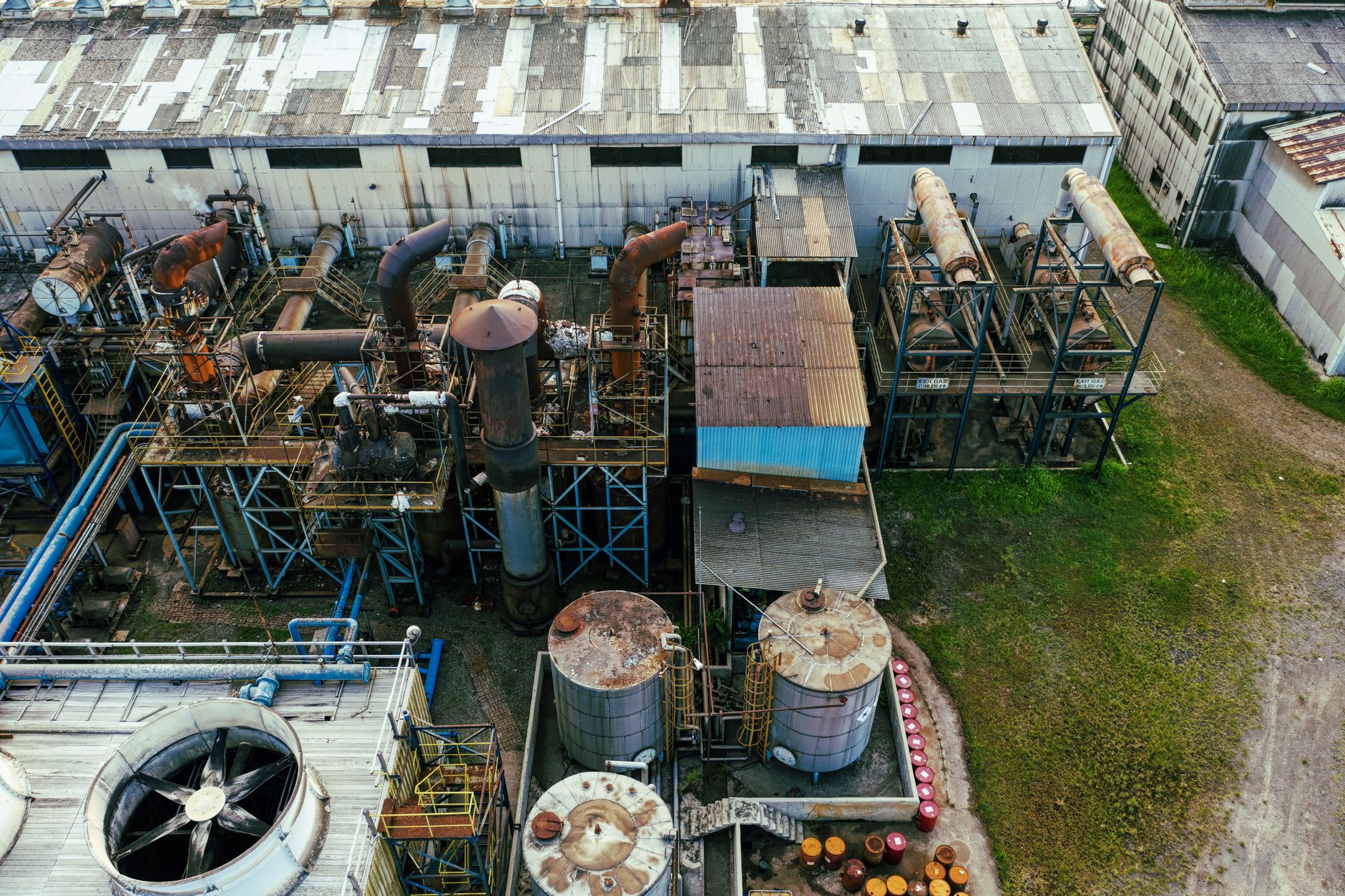
Those numbers matter less as a dramatic headline than as an indicator of repetition. Russia can repair damage, reroute some flows and lean on exports when domestic bottlenecks appear. The problem for Moscow is that repeated refinery and terminal hits force it to keep doing all three at once, while also paying to defend a much larger energy map.
The core budget question remains only partly answered. Oleksandr Martynenko, cited in RBC-Ukraine’s analysis of the refinery campaign, has posed it in the narrowest useful form: are outages cutting Russia’s oil earnings faster than a firmer crude market can repair them? The answer is not yet clear. Oil price support and sanctions drift can cushion revenue even when physical infrastructure is under strain.
The caveat matters more now because the external market is moving in Moscow’s favor in some respects. Semafor reported that the United States and Britain softened some sanctions on Russian oil during the Iran war’s energy crunch. If oil prices stay elevated, some lost throughput can be offset in cash terms. Yet that does not make the strikes irrelevant. Revenue is only one part of the war equation. Internal fuel distribution, refinery repairs, insurance, emergency response and chronic uncertainty all create friction that does not disappear because benchmark crude rises.
Ukraine also does not need to bankrupt Russia to gain value from these attacks. It needs to keep Russian fuel infrastructure expensive to operate, intermittently unreliable and politically impossible to ignore. A state fighting a long war can tolerate a lot. What it struggles with is a constant new bill.
What the campaign buys Kyiv
Taken together, the military and oil strikes amount to an economy-of-force strategy. Ukraine cannot outproduce Russia across every category. It can, however, use drones and stand-off systems to force Moscow to protect more assets, over more territory, more often. That is not the same as a battlefield turning point. It is a method for making Russian advantages costlier to cash in.
The crucial unknown is sustainability. Brovdi’s logic depends on keeping enough crews, drones and replacement systems in circulation to preserve pressure in that middle band. Zelenskyy’s figure on contracted assets suggests Kyiv is trying to scale precisely that capacity. The question is whether production and training can keep pace with Russian adaptation.
Even a partial success would matter. If the campaign does not stop Russian advances outright but keeps thinning air-defense coverage, stretching logistics and disrupting refinery operations, then it is still serving the purpose Kyiv needs most: buying time and forcing trade-offs on an adversary with deeper reserves. In that sense, the state of the war is not captured only by trench lines or daily casualty counts. It is also visible in how much extra distance, fuel, repair work and protection Russia now has to spend to keep the same war machine moving.

Anya Voronova
Eastern Europe correspondent covering the war in Ukraine, Russia and the Caucasus. Reports from Warsaw.